الأجندةVerified
هذا المحتوى متاح حالياً باللغة الإنجليزية فقط — الترجمة ليست جاهزة بعد.
Crude at $101, Gold Near $4,700: The War-Risk Premium Is Now the Baseline
Markets are not panicking. They're repricing. A morning read on what overnight tape is telling us about the Gulf's new normal.
السرعة:
KA
Karim Al-Rashidi
· 2 دقيقة قراءة
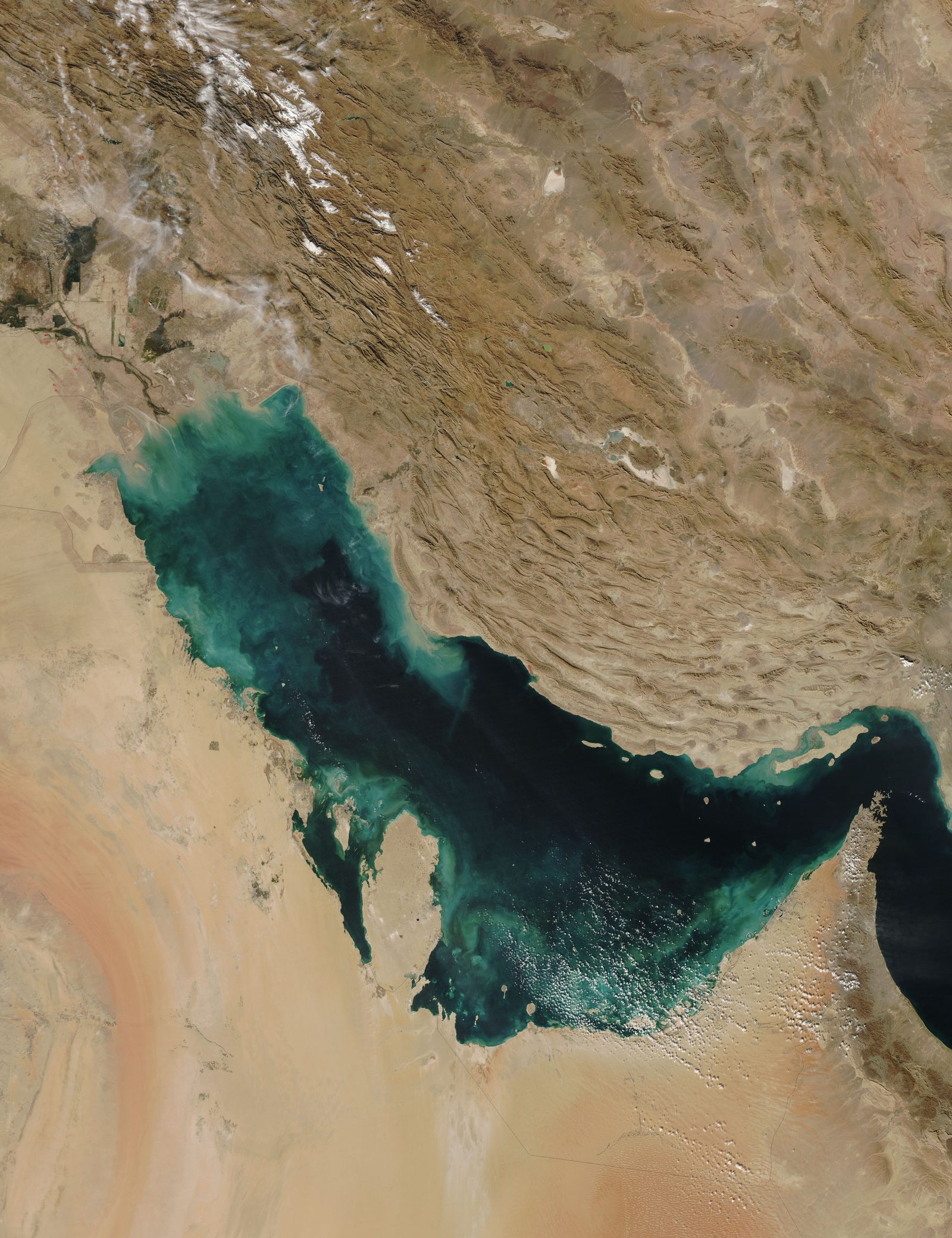
WTI is trading at $101.44 a barrel this morning, up a quiet 0.29 percent. For a region at war, that is the number that should command your attention — not because it is high, but because it is no longer moving.
When markets stop flinching at headlines like 'covert Saudi strikes on Iran' or a second Qatari LNG tanker threading the Strait of Hormuz to Pakistan, you are no longer in a crisis tape. You are in a regime change. The war premium has been absorbed into the price.
Gold tells the same story from a different angle. At $4,686.09 an ounce, down a marginal 0.12 percent overnight, the safe-haven bid is holding at altitude. Investors are not selling their insurance policy. They are simply not buying more of it today.
The Tadawul closed yesterday at 11,020.07, off 0.28 percent. That is a remarkably composed print given the newsflow out of Riyadh, where Reuters is reporting covert Saudi action against Iranian targets. Equity markets are voting that Vision 2030's giga-projects can coexist with a shadow war — a thesis I would not personally underwrite, but the tape is the tape.
"The most dangerous moment in any conflict is when investors stop pricing it as a conflict."
The peg holds, as it always does. USD/SAR at 3.7500 and USD/AED at 3.6725 are doing exactly what SAMA and CBUAE designed them to do: import discipline and export calm. With reserves where they are and crude north of $100, the fiscal math works. The political math is a separate column.
On the CIS side, the ruble strengthened to 73.47 against the dollar, a 0.60 percent gain. Higher oil helps Moscow's terms of trade, and the correlation between Brent-adjacent benchmarks and RUB remains the cleanest trade in emerging markets right now.
US weekly crude production sits at 13.71 million barrels a day as of last Friday. That is the ceiling pressing down on prices even as Gulf supply risk presses up. The American shale patch is, once again, the world's shock absorber — and the reason $101 has not become $130.
What I am watching today: the Trump-Xi summit, which Al Jazeera flags as covering trade, tech, and Iran in a single sitting. Any signal on Chinese crude purchases from Iranian or sanctioned barrels will move the curve more than any Gulf headline. Doha's mediation track, per DW reporting, is the other wire to watch — Qatar has now successfully moved two LNG cargoes through Hormuz, which is itself a data point about insurance markets and naval escorts I will return to later this week.
For the UAE corporate desk: reports of hardened defenses around energy infrastructure should be read as a capex line, not a panic signal. Resilience costs money. Someone is booking the revenue.
The question I am leaving on my desk this morning: at what oil price does the market finally admit the Gulf risk premium is structural rather than cyclical — and who is positioned for that re-rating before it arrives?