الأجندةVerified
هذا المحتوى متاح حالياً باللغة الإنجليزية فقط — الترجمة ليست جاهزة بعد.
Crude Holds the $99 Line While Hormuz Risk Quietly Reprices
WTI at $99.18, gold off its highs, and a UAE pipeline halfway done. The Gulf is pricing geopolitics with unusual composure.
السرعة:
KA
Karim Al-Rashidi
· 2 دقيقة قراءة
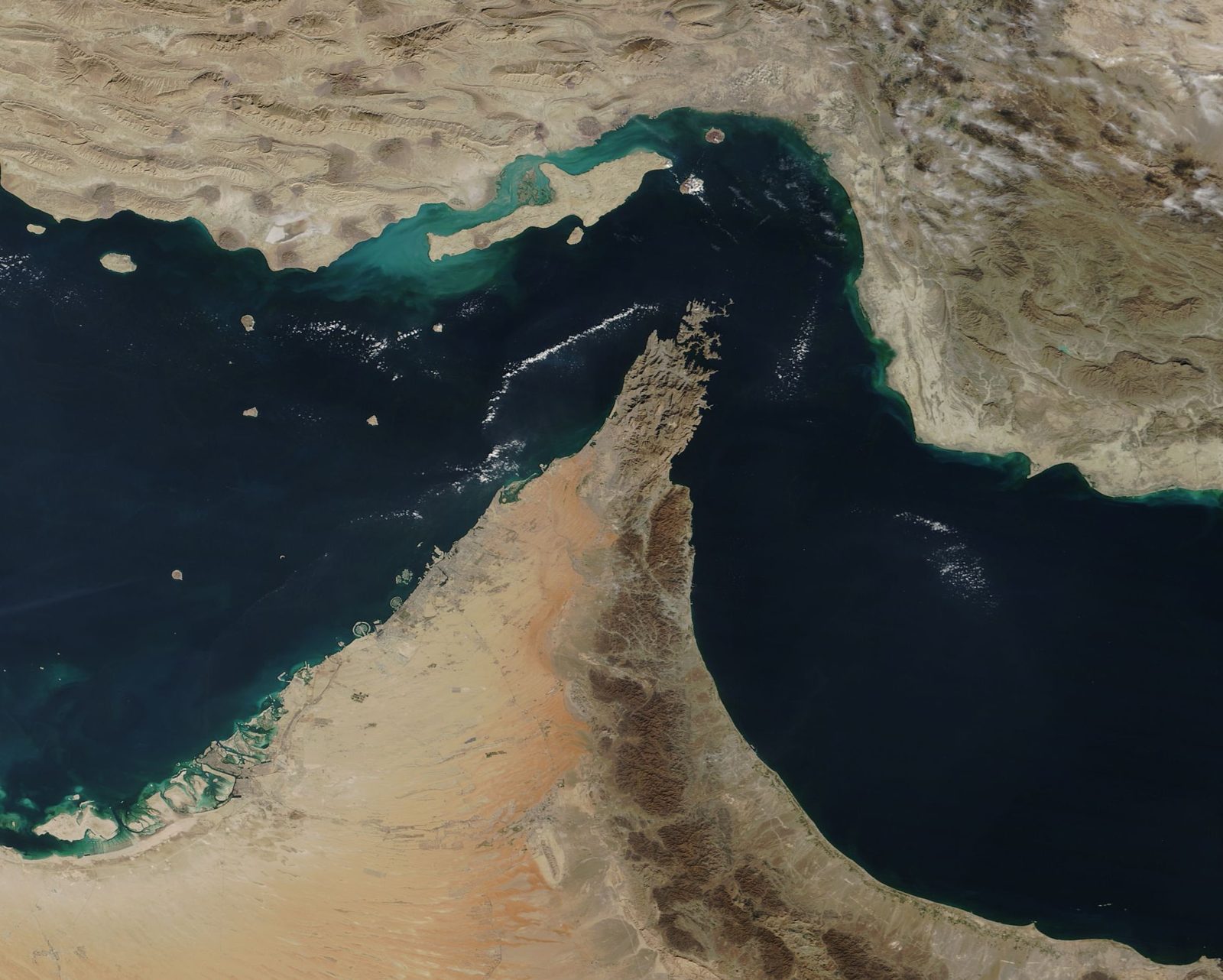
WTI crude sits at $99.18 a barrel this morning, up a modest 0.21 percent overnight. That is the headline number, but it is not the story. The story is what that number is not doing.
Consider the backdrop. Pakistan has reportedly deployed thousands of troops and a jet squadron to Saudi Arabia. Drones targeting the UAE's Barakah nuclear plant are said to have originated from Iraqi territory. By any conventional reading, oil should be screaming. Instead, it is whispering.
There are two reasons for the calm, and both matter for your portfolio. First, US weekly crude production printed at 13.702 million barrels per day as of May 15 — near the upper bound of what American shale has ever delivered. Second, the UAE has now confirmed its new pipeline bypassing the Strait of Hormuz is roughly half complete, with a 2027 start date. The market is no longer pricing Hormuz as a single point of failure. It is pricing it as a problem with a deadline.
"The Gulf has spent a decade building the infrastructure to make its own chokepoints optional, and the oil tape is finally giving it credit."
Gold tells the complementary story. At $4,531.93 an ounce, down 0.33 percent, the haven bid is fading at the margin. When troops move and drones fly and gold still sells off, you are watching a market that has decided escalation is contained — not absent, contained. That is a meaningful distinction.
The Tadawul closed yesterday at 10,985.56, up a whisker. Riyadh's index has become almost boringly resilient, which is itself a form of bullish signal. The SAR remains pegged at 3.7500, the AED at 3.6725, and neither peg is under any visible stress despite the regional temperature. SAMA and the CBUAE have built reserve buffers precisely for weeks that look like this one.
For the CIS watchers among you, the ruble drifted to 71.25 against the dollar, weaker by 0.35 percent. Nothing structural — just the slow grind of an economy that has run out of easy tailwinds from energy prices it cannot fully monetize under sanctions.
What to watch today. Qatar Airways has flagged that regional conflict is denting profits, and that is a useful proxy for what insurance underwriters and freight forwarders across the Gulf are quietly absorbing. Aviation and shipping costs are the first place geopolitical risk shows up on a corporate P&L, long before it appears in headline CPI. If you want to know what the Iran situation actually costs the Gulf economy, watch carrier margins and re-insurance premiums, not Brent.
The day ahead in my beat is less about a single catalyst and more about whether the composure holds. A crude price stuck near $99 with this much background noise is telling us something the cable news cycle is not: capacity buffers, both physical and financial, are doing their job.
The question I am sitting with as I file this: at what point does the market stop treating Hormuz risk as a tail event and start treating bypass infrastructure as the new baseline?