الأجندةVerified
هذا المحتوى متاح حالياً باللغة الإنجليزية فقط — الترجمة ليست جاهزة بعد.
Oil Steady, Gold Retreats as Markets Digest Political Shifts in Russia's South
Brent holds above $111 while precious metals cool off — but the real story may be unfolding in the North Caucasus
السرعة:
KA
Karim Al-Rashidi
· 2 دقيقة قراءة
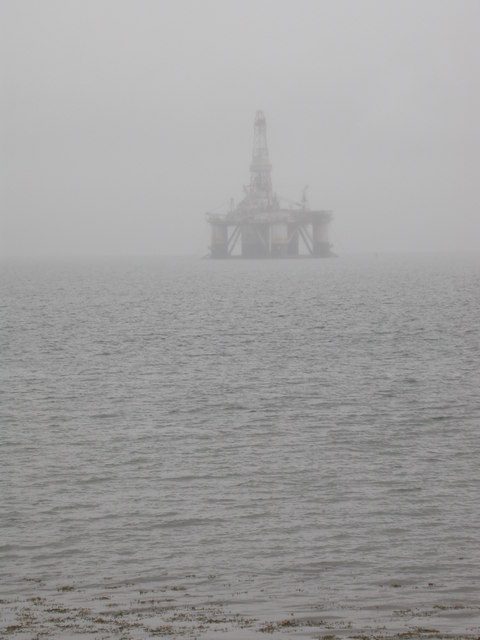
Brent crude opened the first day of May at $111.35 per barrel, essentially flat overnight with a marginal 0.11% dip. WTI tracked similarly at $105.47, up a fraction. For Gulf producers, this is the Goldilocks zone — high enough to fund ambitious diversification programs, stable enough to keep demand destruction fears at bay.
But I've been watching something else this morning.
The announcement that Dagestan's head Sergei Melikov will step down in September, following devastating floods in the North Caucasus, is the kind of headline that doesn't move commodity tickers immediately — but should make strategic planners in Riyadh and Abu Dhabi take note. Russia's southern regions sit at a critical juncture of energy infrastructure and ethnic complexity. Leadership transitions there rarely happen in isolation.
Gold, meanwhile, pulled back modestly to $4,619.36 per ounce, shedding about 0.23%. After the extraordinary run precious metals have had in recent quarters, a pause feels almost healthy. The metal remains at levels that would have seemed absurd two years ago, reflecting persistent inflation hedging and central bank accumulation that shows no sign of abating.
The Saudi Tadawul closed yesterday's session at 11,187.66, down 0.46%. Nothing to lose sleep over — more a consolidation than a retreat. The kingdom's equity markets have proven remarkably resilient against global volatility, buoyed by domestic liquidity and the structural reforms that keep international capital interested.
I find myself returning to US crude production figures: 13,586 thousand barrels per day as of last week. American shale continues to defy predictions of its demise, maintaining output levels that would have been considered peak production not long ago. For OPEC+ ministers, this is the variable that complicates every supply calculation.
The ruble held steady at 74.92 to the dollar, remarkably stable given the political news flow. Moscow has learned to insulate its currency from headlines that would have triggered sharp moves in earlier years. Whether that stability reflects genuine economic resilience or effective capital controls is a question I'll leave to those with better Kremlin sources than mine.
What should readers carry into the weekend? Oil markets are in equilibrium, but equilibriums are temporary things. The combination of elevated prices, steady American production, and political uncertainty in Russia's south creates a mix that rewards attention over complacency. May has a habit of surprising energy markets — I'd keep powder dry.