هذا المحتوى متاح حالياً باللغة الإنجليزية فقط — الترجمة ليست جاهزة بعد.
Syria Is Now a Laboratory — and Everyone Wants to Be the Scientist
Washington's envoy frames Damascus as a new diplomatic frontier. What happens in that lab will reshape the region's next decade.
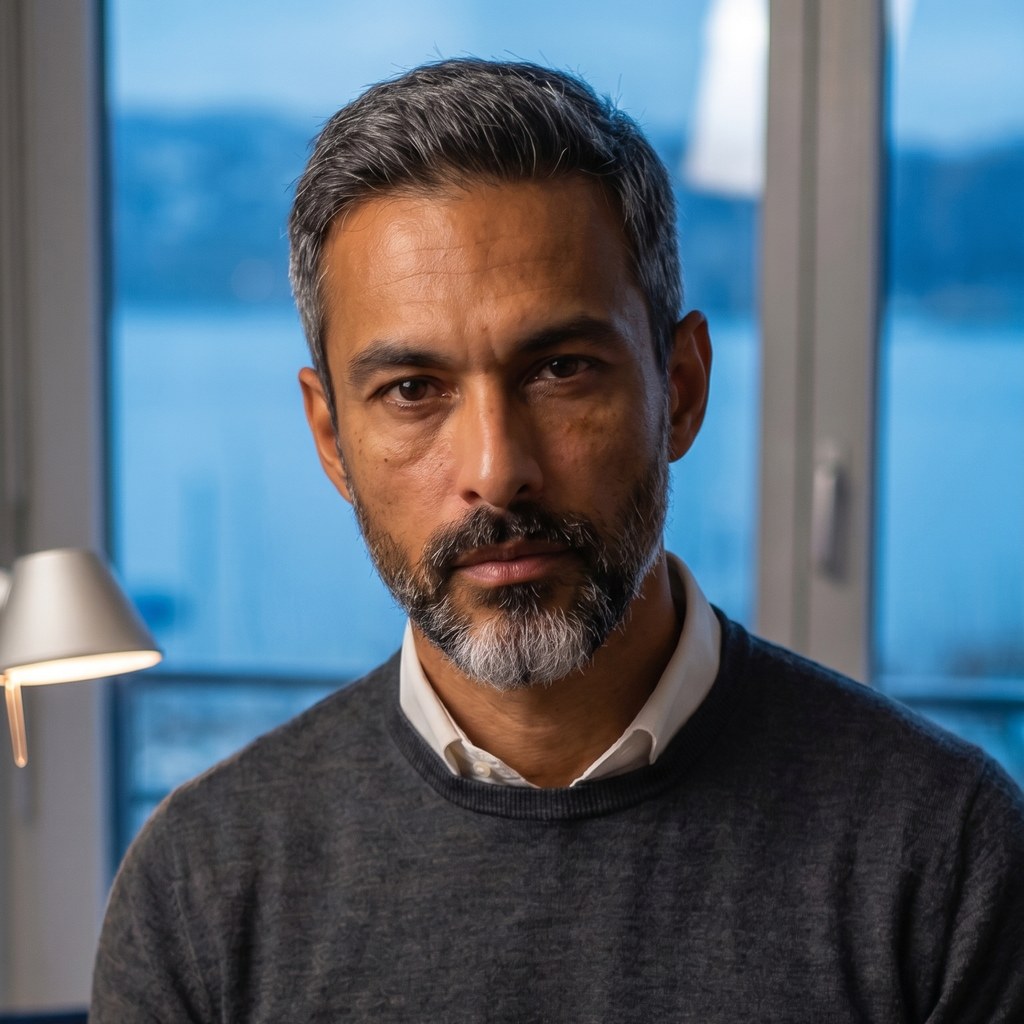
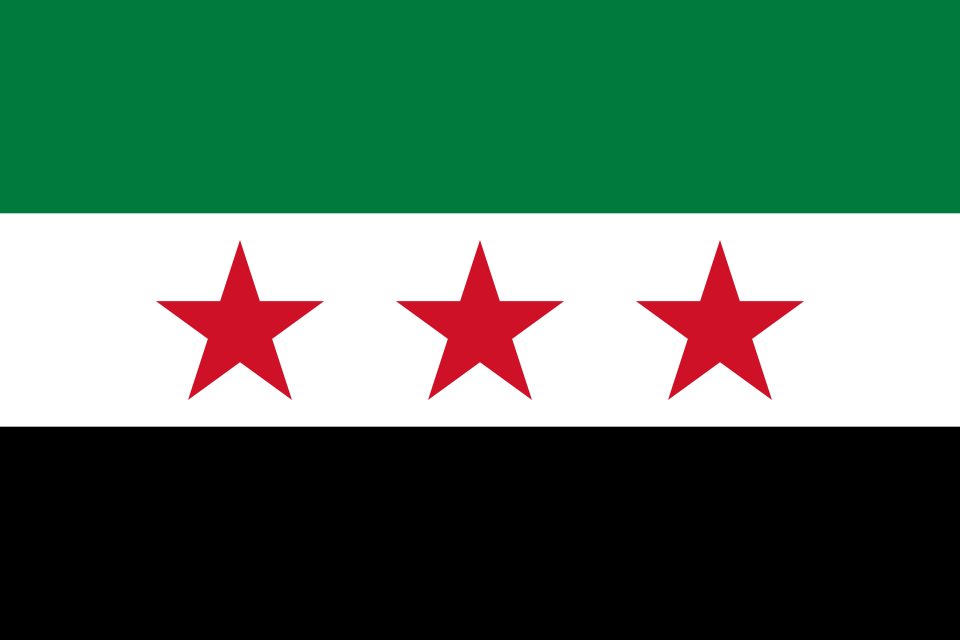
The most revealing sentence I have read this week came from a US envoy standing in Damascus: Syria is now a "laboratory for new regional alignment of diplomacy."
Tom Barrack said it after a Saturday meeting with Syria's president. The word laboratory is precise, and not accidentally so. A laboratory is a controlled space where you run experiments. The implication is that no one yet knows the results — but everyone is watching, and several parties are already adjusting the variables.
This is the Syria story that rarely gets the headline it deserves. We spend enormous energy on the humanitarian ledger — and that ledger remains devastating — but the diplomatic architecture being assembled quietly around Damascus is arguably the more consequential story for the next five to ten years.
Consider what is happening simultaneously. Washington is signalling renewed engagement through a high-level envoy visit. Iran's parliament speaker has just been appointed as a special envoy to China, described as a coordinator of national bodies on matters related to Beijing. That appointment, reported by Iran's semi-official Tasnim, is not about China alone. Tehran is building a diplomatic corridor eastward at precisely the moment its western flank — Syria, Lebanon, the Gulf equation — is under renegotiation.
Then look north and east. Kazakhstan's President Tokayev held separate calls this week with both Vladimir Putin and the Azerbaijani leadership, with Putin's state visit to Astana expected in late May. The CIS architecture is tightening just as the Syrian question demands answers about who fills the security vacuum and who finances reconstruction.
None of these threads is coincidental. They are all part of the same negotiation, conducted in different rooms.
What strikes me most — and what I think Western coverage consistently underweights — is that the regional actors are no longer waiting for a grand American or European framework. They are drafting their own overlapping blueprints and presenting them as facts on the ground.
The Gulf states have their economic interests and their desire for a stable, non-Iran-aligned Syria on their western border. Turkey has demographic and security equities it will not bargain away cheaply. Iran, despite battlefield losses in influence, is not exiting the arena — it is rerouting. And Russia, battered by the costs of Ukraine, is nonetheless unwilling to surrender the strategic footprint it built at enormous expense.
Syria the laboratory, then, has multiple competing research teams. The United States under Barrack is positioning itself as something like a lead investigator — but the other teams will not simply hand over their data.
For readers who want to cut through the noise, here is the signal I am watching: whether the diplomatic language coming out of Damascus begins to produce concrete, verifiable steps on sanctions relief, reconstruction financing, or the status of armed factions. Words from envoys are cheap. Disbursements and disarmament timelines are not.
The Nakba commemorations this week — including protests at colonial-era sites in South Africa — remind us that the region's open wounds do not wait patiently while diplomats meet in air-conditioned offices. Public pressure on governments across the Arab world is a variable the laboratory model tends to undercount.
The question I am sitting with this Sunday morning: when the experiment concludes — if it ever does — who decides what a successful result looks like, and for whom?