هذا المحتوى متاح حالياً باللغة الإنجليزية فقط — الترجمة ليست جاهزة بعد.
The Gulf Is On Fire — And Football Has Gone Quiet
When sailors are stranded and airspace is denied, the Saudi Pro League's grand vision faces its most serious off-pitch test yet.
Twenty thousand sailors. Stranded. That number — reported widely across multiple outlets this week — is not a football statistic. But it is the most important number in Gulf sports right now, and anyone pretending otherwise is not paying attention.
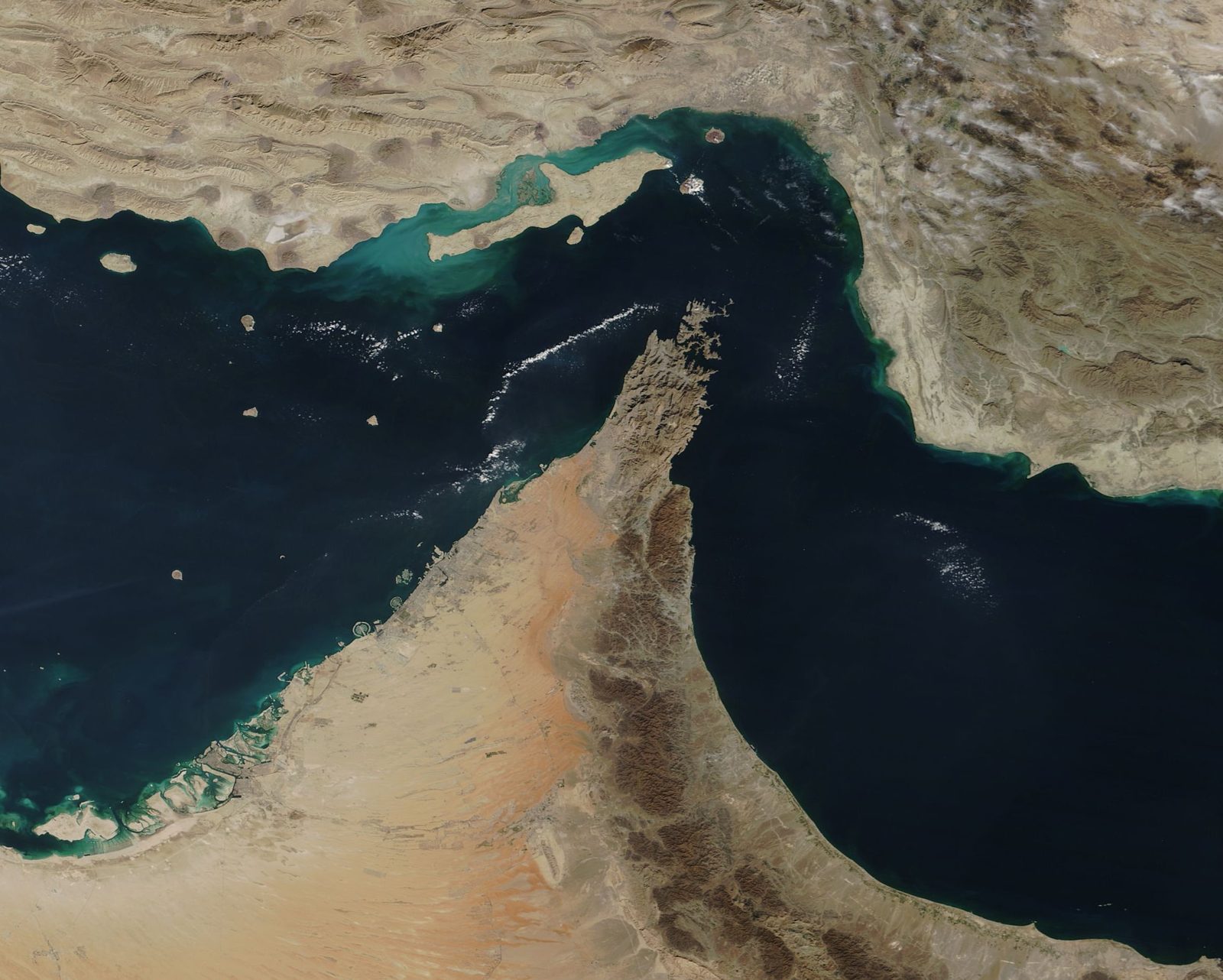
The Strait of Hormuz crisis has cascaded into something far larger than a shipping dispute. The UAE expelling Pakistani workers. Qatar sending its first LNG shipment through contested waters. A bulk carrier struck near Qatar, reportedly catching fire. This is the geopolitical weather system forming directly over the region that has staked its global sporting identity on stability, openness, and investment confidence.
I have covered this beat long enough to know that sports and politics share the same address in the Gulf. The Saudi Pro League did not emerge from a vacuum — it was built on a very specific promise: that this corner of the world was open for business, safe for ambition, and ready to host the world's gaze. That promise is currently under enormous pressure.
When the New York Times reports that Trump reversed a Hormuz military plan after Saudi Arabia denied airspace access, we are no longer talking about background noise. We are talking about the kingdom at the centre of sports' biggest transfer experiment being pulled into a regional security calculation of the highest order.
For the Saudi Pro League and its clubs — which have committed staggering resources to player acquisitions, infrastructure, and broadcast deals — the question is not whether the football continues. The football will continue. The question is whether the atmosphere of inevitability that surrounded the league's rise can survive a geopolitical storm of this magnitude.
Investors follow confidence. Broadcast partners follow eyeballs. Eyeballs follow stars. Stars follow money. But money, ultimately, follows stability. And right now, stability in the Gulf is the one commodity that is genuinely in short supply.
I do not write this as a prophet of doom. I write it as someone who remembers when the Saudi league was a punchline, and who has watched it become the most consequential football story of the decade. That story is not over. But today, in the shadow of stranded ships and denied airspace, it feels like it has reached its most uncertain chapter.
The real test of Vision 2030's sporting ambition was never going to be whether it could sign the world's best players. It was always going to be whether it could hold the world's attention when things got complicated.