هذا المحتوى متاح حالياً باللغة الإنجليزية فقط — الترجمة ليست جاهزة بعد.
War Shadows the Pitch: Gulf Football Faces Its Most Uncertain Season Yet
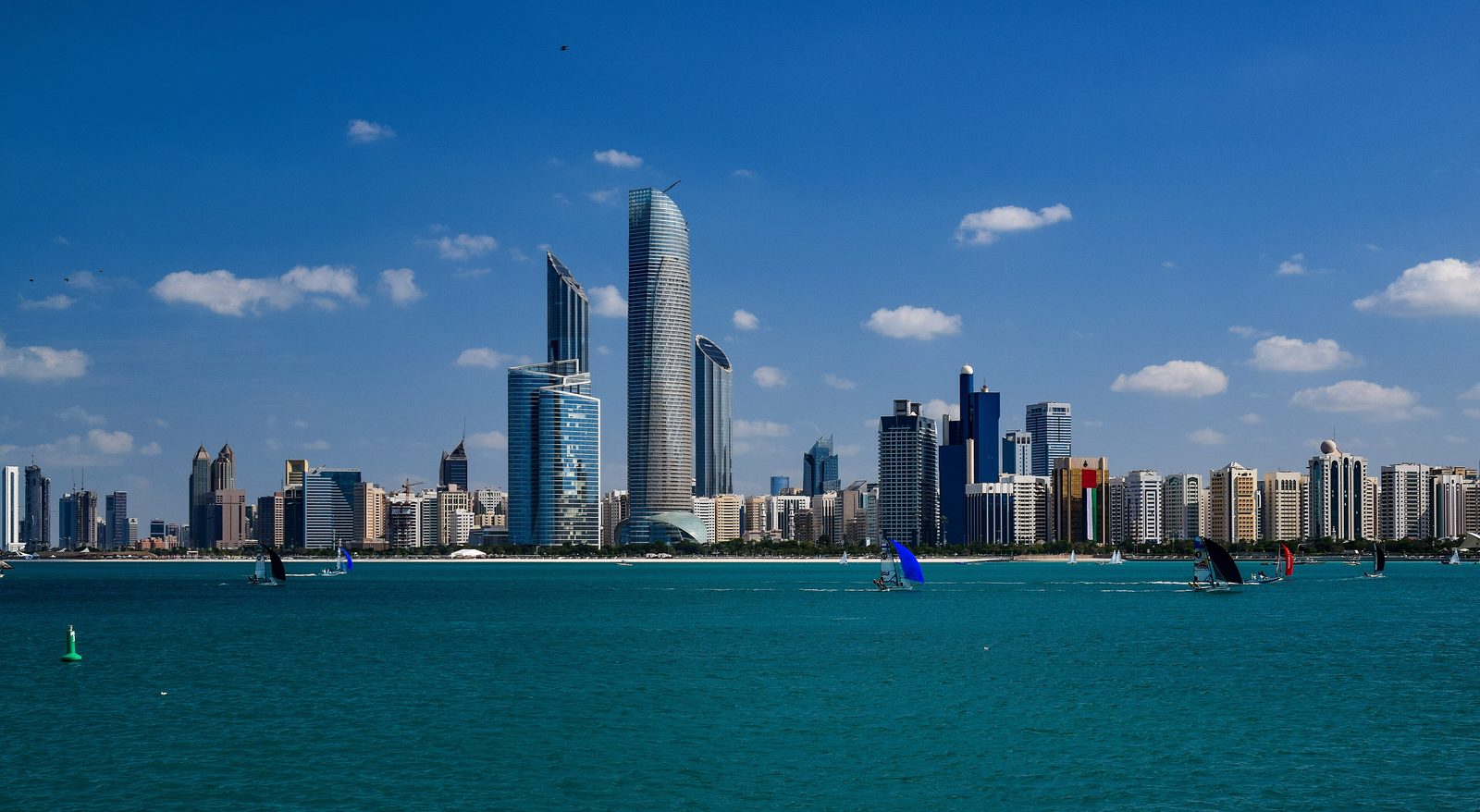
Drone strikes near Abu Dhabi's nuclear plant and regional conflict aren't just headlines — they're reshaping the future of Gulf sports investment.
Forty-three minutes. That's roughly how long a football half lasts. It's also, apparently, all the time the Middle East needs to remind you that sport does not exist in a vacuum.
A drone struck near Abu Dhabi's nuclear power plant. Reports indicate the US and Iran are signalling readiness to resume open hostilities. Pakistan, according to Reuters, has deployed jet squadrons and thousands of troops to Saudi Arabia. I've covered six World Cups, survived penalty shootouts as both a goalkeeper and a journalist, and I have never felt a sports column harder to write than this one.
Because I have to be honest with you: the Saudi Pro League, the story I have called the most important in sports this decade, is operating inside a geopolitical storm that no transfer budget can simply outspend.
The league's ambitions — the infrastructure, the mega-events, the patient repositioning of the Kingdom as a global sports destination — all of it assumes a baseline of regional stability. That baseline is cracking.
The Iran war, as The New York Times has described it, is crippling one of the world's wealthiest nations. Qatar, the UAE, Saudi Arabia — these aren't abstract diplomatic players. They are the stadiums, the broadcast deals, the hosting rights. When a drone reaches a nuclear facility and The Associated Press is running live updates, the conversations inside sports boardrooms change.
Sponsor confidence is a fragile thing. I've watched it evaporate overnight before. Ask anyone who tried to sell hospitality packages in Beirut in the wrong summer.
And yet — and this is the part that keeps me from full despair — Gulf sports institutions have demonstrated a remarkable capacity to insulate and compartmentalise. The Saudi Pro League's calendar has not, as of this writing, been publicly disrupted. The show, formally, goes on.
But the question no press release will answer is this: at what point does geopolitical risk become a structural problem for the football dream being built in the desert?
I stood in goal for years trusting that the wall behind me was solid. Right now, I'm not sure anyone in Gulf sports governance can say the same.