AgendaVerified
Beijing's Two-Front Theatre: Putin Arrives, Tbilisi Sends a Speaker, and Trump's Iran Clock Ticks
Xi is hosting Moscow days after Trump's own Beijing visit. Meanwhile a disputed Georgian speaker shakes hands with Wang Huning. The choreography is the message.
Velocidad:
ℹ️ Lectura del navegador · voz de estudio IA próximamente
NV
Natasha Volkov
· 4 min read
Brent is trading at $110.49 a barrel this morning, down 41 cents on the day. That is the cheapest number in this column, and the most honest. Everything else carries a premium of menace.
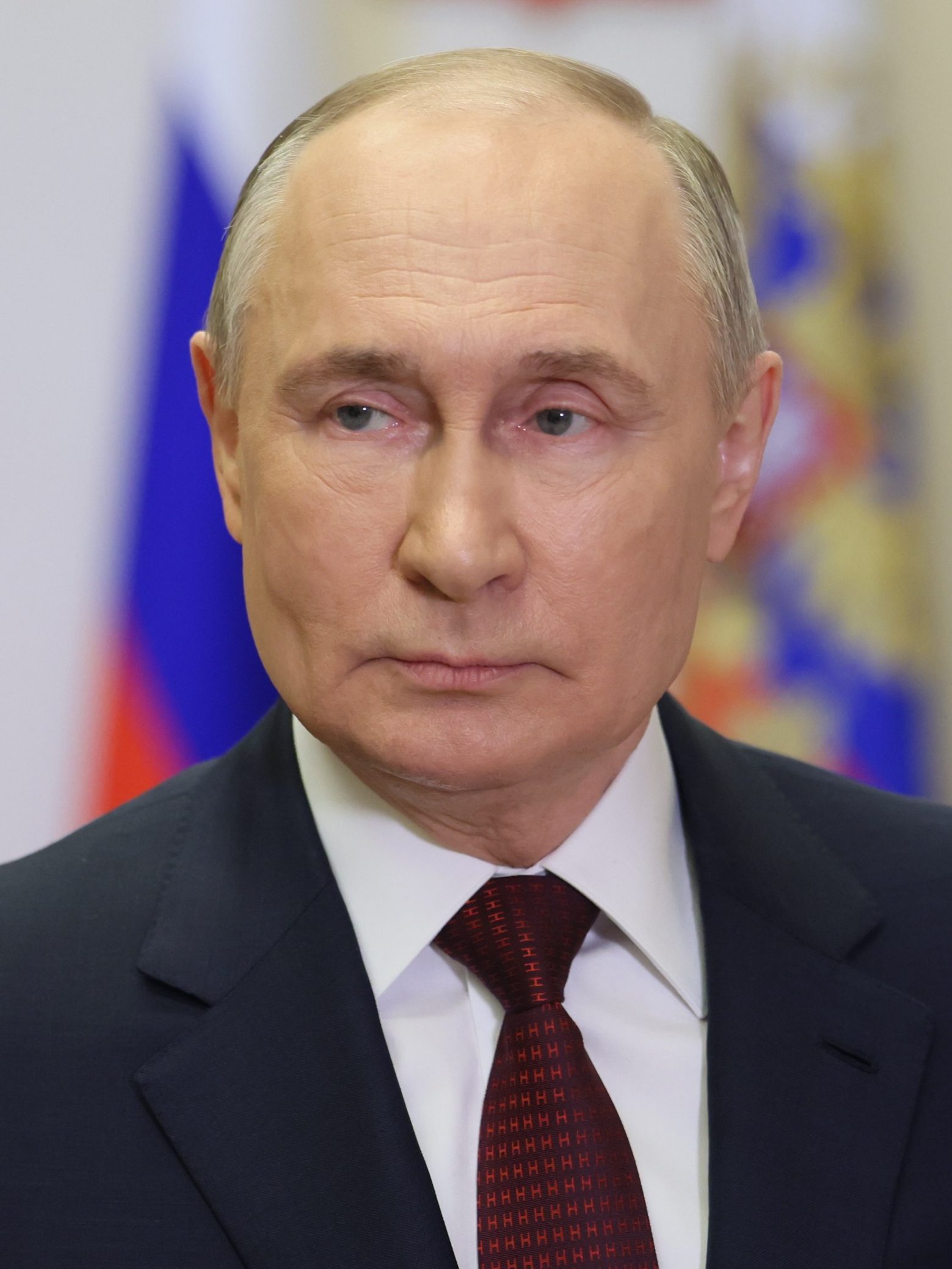
Xi Jinping and Vladimir Putin are meeting in Beijing today, just days after Donald Trump made an official visit to the same city. Read that sentence twice. The Chinese leader has, in the span of a single news cycle, received both the man trying to wreck the post-1945 order and the man trying to inherit it.
This is not hospitality. This is auditioning.
I have watched Chinese diplomacy long enough to recognise the choreography. When Beijing wants to signal that it holds the balance, it stacks its calendar. Trump first, so the Americans can announce a deal. Putin second, so the Russians can announce that no deal binds them. Xi smiles through both and pockets the leverage.
The context is Iran. Trump said this week that the United States could launch new strikes against Tehran within days if no agreement is reached. That is, by my count, the third deadline of the spring, and the most credible, because Brent is not pricing in calm. A barrel above $110 is a barrel that has read the cable traffic.
The Russians know this. Moscow's entire post-2022 economic architecture rests on three pillars: Chinese demand, Indian refining, and Gulf ambiguity. An American strike on Iran disturbs all three at once. Putin is not in Beijing to ask Xi for weapons. He is in Beijing to ask Xi to keep buying.
"Beijing is the only capital in the world right now where both the arsonist and the fire brigade have standing reservations."
And Xi? Xi is in the rare position of being courted by a White House that needs Chinese pressure on Tehran, and by a Kremlin that needs Chinese indifference to whatever happens next. He can sell the same silence twice.
Watch the second-tier visits, because they tell you where the actual gravity is. Shalva Papuashvili, the disputed Speaker of the Georgian Parliament, was in Beijing on May 19 meeting Wang Huning, the Communist Party's chief ideologist and the man Xi sends when he wants something codified rather than transacted. Tbilisi did not send a tourist. It sent a signature.
This matters because Georgia is supposed to be a European story. Saarbrücken has just broken off contacts with its partner city Tbilisi, and Mayor Kakha Kaladze responded with the kind of mock-condolence that has become Georgian Dream's house style. The West is being told, in a tone of theatrical sorrow, to get lost. Beijing is being told, in a tone of business, to come in.
Kazakhstan, by contrast, is playing a subtler hand. President Tokayev this week urged a new reading of the Golden Horde's role in shaping Eurasia. To an untrained ear this sounds like a history lecture. To anyone who has sat in an Astana foreign-ministry briefing, it is a sovereignty claim dressed as a seminar. Tokayev is reminding both Moscow and Beijing that the steppe was an empire before either of them existed, and intends to be a country after.