This story is currently available in anglais only — a translation isn't ready yet.
The Gulf Crisis Brussels Cannot Ignore
As the US-Iran conflict reshapes global energy flows, the EU's institutional machinery faces a test it did not prepare for.
ℹ️ Lecture par le navigateur · voix studio IA bientôt

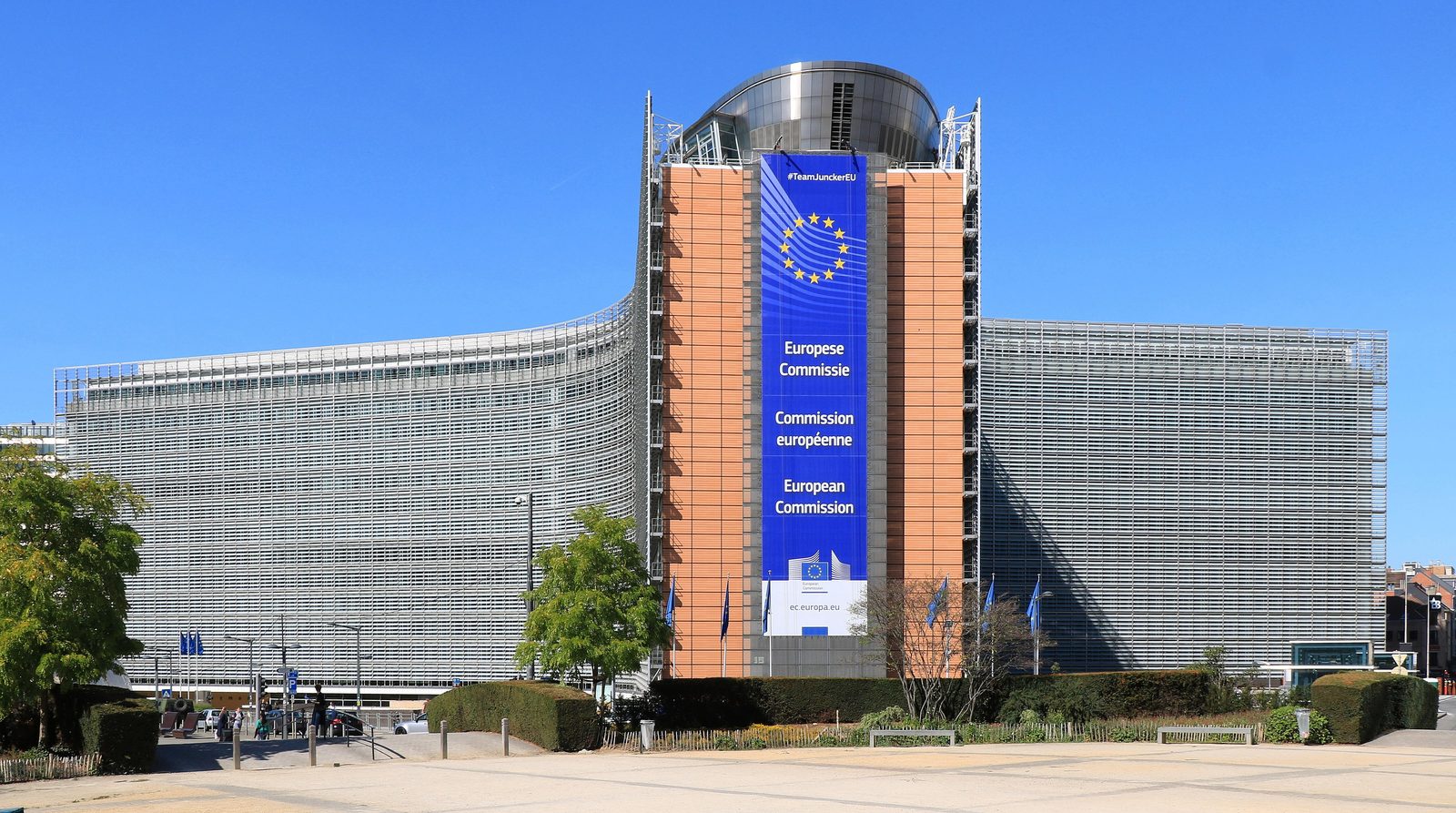
I have spent enough years in the Berlaymont building to know when the Commission is stalling. The current silence from Brussels on the escalating US-Iran conflict in the Gulf tells me everything about the institution's internal paralysis.
Let me be direct. While Trump administration officials claim Tehran is days from crisis and analysts warn of prolonged pain with global price shocks already hitting consumers, the European Union has yet to articulate anything resembling a coherent position. This is not diplomacy. This is institutional deer-in-headlights syndrome.
The problem is structural. EU foreign policy requires unanimity among 27 member states, and on matters touching both transatlantic relations and energy security, that unanimity is impossible to achieve in real time. Hungary will not sign anything that displeases Washington. Germany cannot afford to antagonize its remaining energy suppliers. France wants to position itself as a mediator but lacks the leverage.
Meanwhile, China's role in this conflict remains, as recent analysis suggests, significantly underestimated. Beijing appears to be exercising diplomatic restraint while the Gulf burns, but anyone who believes China is merely watching has not been paying attention to its decades of infrastructure investment in the region. The EU-Gulf relationship—something I have tracked closely since the Commission began its charm offensive toward the GCC states—now exists in a fundamentally altered context.
What does this mean in practical terms? The Digital Markets Act and AI Act, the crown jewels of this Commission's legacy, were designed for a world where Europe could set global standards through the sheer gravity of its market. That world assumed stable energy supplies, predictable trade routes, and American partnership in technology governance.
Every one of those assumptions is now in question.
I spoke to a senior official last week—not for attribution, naturally—who admitted the Commission has no contingency planning for a scenario where Gulf energy disruptions coincide with intensified US pressure on European firms doing business with China. The regulatory frameworks we have built are peacetime constructions. We are no longer in peacetime.
The irony is exquisite. Brussels spent the past five years congratulating itself on 'strategic autonomy' while remaining strategically dependent on everyone. We import energy. We import semiconductors. We import the security guarantee that allows us to maintain our generous social models. And now the bills are coming due simultaneously.
Consider the practical implications for EU-Gulf relations. The Commission has been cultivating ties with Saudi Arabia and the UAE, seeking both energy diversification and investment in European green technology. Those conversations assumed a stable regional order. With the US and Iran locked in military conflict, every Gulf state must now calculate its position with care. Europe is not their priority.
There is a deeper institutional failure here that deserves examination. The EU's legislative machinery excels at producing detailed regulations for problems that can be anticipated years in advance. It is catastrophically bad at responding to fast-moving crises. By the time the Council agrees on a statement and the Parliament schedules a debate, the facts on the ground have already shifted three times.
I am not suggesting the Commission should be making foreign policy by press release. But the contrast between Brussels' voluminous output on fisheries sustainability—the Commission published its evaluation of the Common Fisheries Policy just yesterday—and its near-silence on a conflict reshaping global energy markets tells you everything about institutional priorities.
The Common Fisheries Policy matters. Fishing communities across Europe deserve sustainable livelihoods. But I wonder if those same communities fully appreciate that the price they pay for fuel, the cost of transporting their catch to market, and the viability of their entire sector may soon be determined by events in the Strait of Hormuz rather than anything decided in the Berlaymont.
Europe's legislative achievements of the past five years are real. The Digital Markets Act has teeth. The AI Act sets genuine global precedent. But legislation is not strategy, and strategy is what this moment demands.
The question Brussels must answer—and cannot seem to formulate, let alone address—is simple: What is Europe's role in a world where its two largest trading partners are at each other's throats, its energy supplies are contested, and its diplomatic leverage has never been weaker?
I do not have the answer. But I know that silence is not a policy, and I know that the longer Brussels pretends this crisis is someone else's problem, the more painful the eventual reckoning will be.