This story is currently available in anglais only — a translation isn't ready yet.
Washington's Poland Reversal Hands Brussels a Defence Bill It Refuses to Read
The Pentagon's deployment cancellation is not a diplomatic squabble. It is the moment European capitals can no longer pretend transatlantic strategy is intact.

The DAX closed Friday at 23,950.57, down 1.15%. The FTSE 100 ended at 22,596.14, down 1.01%. Markets do not always read the political tea leaves correctly, but this week they did.
The trigger was the Trump administration's decision to halt a planned US troop deployment to Poland, following an earlier order to draw down forces from Germany. Both Democratic and Republican lawmakers in Washington have publicly criticised the move. That detail matters more than the move itself.
It means the reversal is not a negotiating posture European chancelleries can wait out. It is a structural choice that has internal bipartisan resistance and is happening anyway.
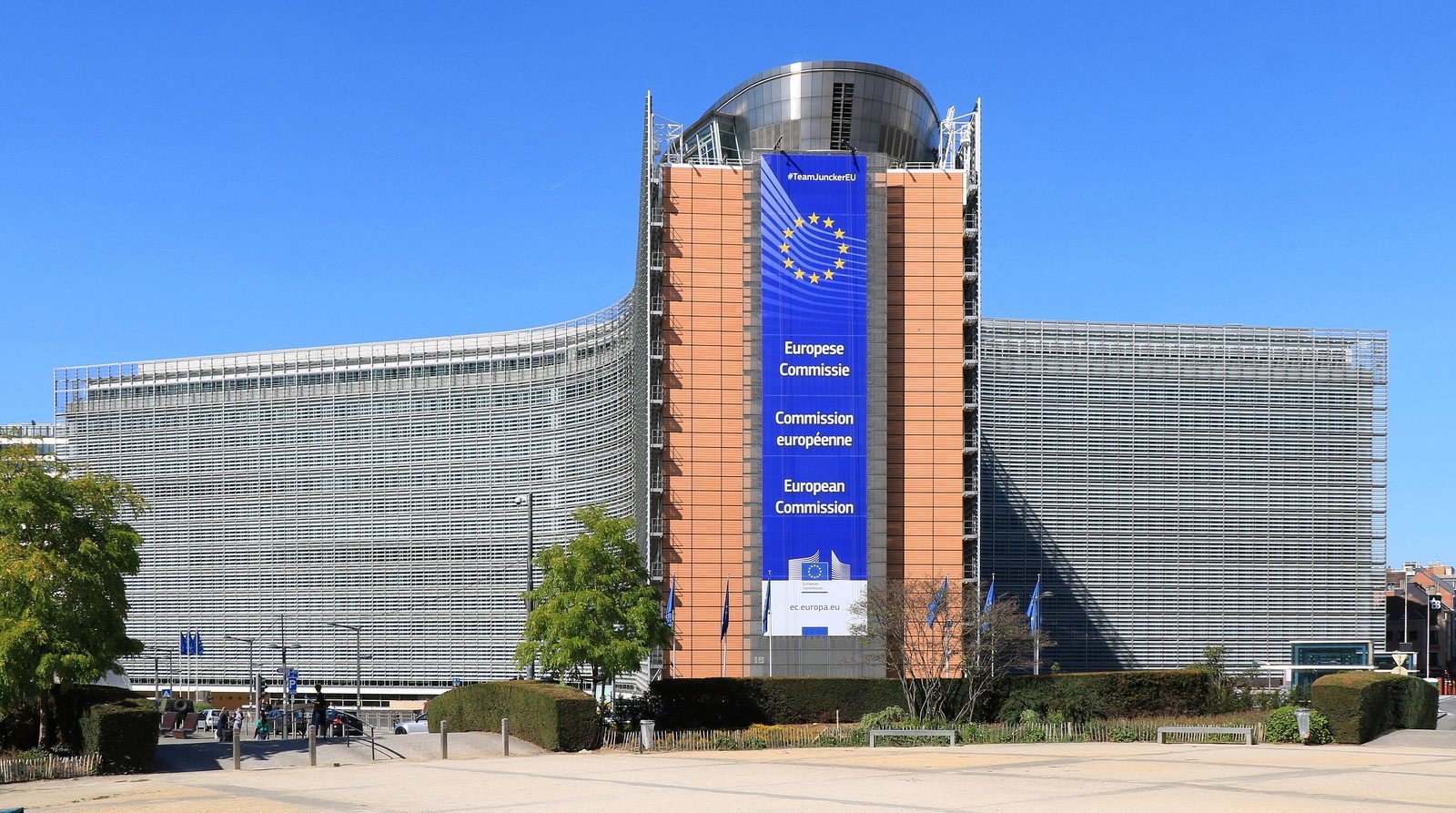
I have sat in enough Berlaymont coordination meetings to know exactly how Brussels will respond to this in the coming days. There will be a statement reaffirming the strength of the transatlantic bond. There will be a Council conclusion welcoming continued dialogue. And there will be, somewhere on page four, a paragraph about strategic autonomy that nobody will action.
This is the third time in eighteen months that the EU has been handed a strategic invoice and filed it under "to be discussed."
Let me distill what the Poland decision actually changes, because the press releases will not.
First, the eastern flank deterrence architecture that Warsaw, Vilnius, Riga and Tallinn built their entire post-2022 security doctrine around has just been quietly amended without their consent. The forward presence those capitals were promised is now conditional on a White House that treats deployment orders as leverage. Every defence procurement plan signed in those four capitals over the last three years assumed an American backstop that is now visibly negotiable.
Second, the German pullout order that preceded the Poland decision is the more revealing data point. Germany is the logistical spine of US operations in Europe. Ramstein, Landstuhl, Grafenwöhr — these are not symbolic bases. Reducing the American footprint in Germany is not a political signal; it is an operational reconfiguration. You do not move those assets and then move them back six months later.
Third, and this is where Brussels should be paying attention, the European Defence Fund and the various PESCO projects were designed as complements to NATO capability, not substitutes. The legal architecture assumes American enablers — strategic lift, satellite intelligence, air-to-air refuelling, suppression of enemy air defences. Recent reports and industry assessments have been consistent for years that Europe cannot independently sustain a high-intensity operation without those enablers. Nothing in the current EU budget cycle changes that math.
"Strategic autonomy was a slogan when the Americans were staying. It is a bill of materials now that they are leaving, and nobody in Brussels has costed it."
The uncomfortable question for the Commission is whether the existing legal instruments are even fit for purpose. The European Peace Facility is capped and politically contested. The ASAP and EDIRPA regulations on ammunition and joint procurement were emergency measures, not a defence industrial policy. The forthcoming European Defence Industrial Strategy will, on current trajectory, propose more coordination mechanisms and a modest funding envelope. That is not what a continent without an American security guarantee needs.
Who benefits from the current Brussels paralysis? Two constituencies. National defence ministries that prefer bilateral arrangements with Washington and Paris over Commission-led integration — they get to keep their procurement sovereignty. And the larger European primes who have spent two years lobbying against any preference for cross-border consortia in EU defence funding — they get to keep their national champion status.
Who loses? The frontline states, who are being asked to underwrite continental security with budgets a fraction of Germany's. And, eventually, every European taxpayer who will discover that replacing American enablers is an order of magnitude more expensive than the figures currently circulating in Council working groups.
The markets sold off on Friday for a dozen reasons, and I will not pretend the Poland decision was the dominant one. But the trend line is consistent: European equities are pricing in a continent that has to spend more on its own defence, with weaker fiscal coordination, and without the productivity gains that would normally fund it.
The Commission has until the June European Council to decide whether it treats this week as an inflection point or another news cycle. The honest answer is that the institutional muscle memory points toward the latter.
So the question I would put to every commissioner I used to work with: if a bipartisan rebuke in Washington cannot slow this down, what exactly are you waiting for?