EditorialVerified
Tehran Keeps Talking While Squeezing Hormuz — That Is the Point
Iran's dual-track strategy of diplomacy and pressure is not a contradiction. It is the negotiation.
Hastighet:
ℹ️ Nettleserstemme · KI-studiostemme kommer snart
SA
Sherif Al-Mahdi
· 3 min read
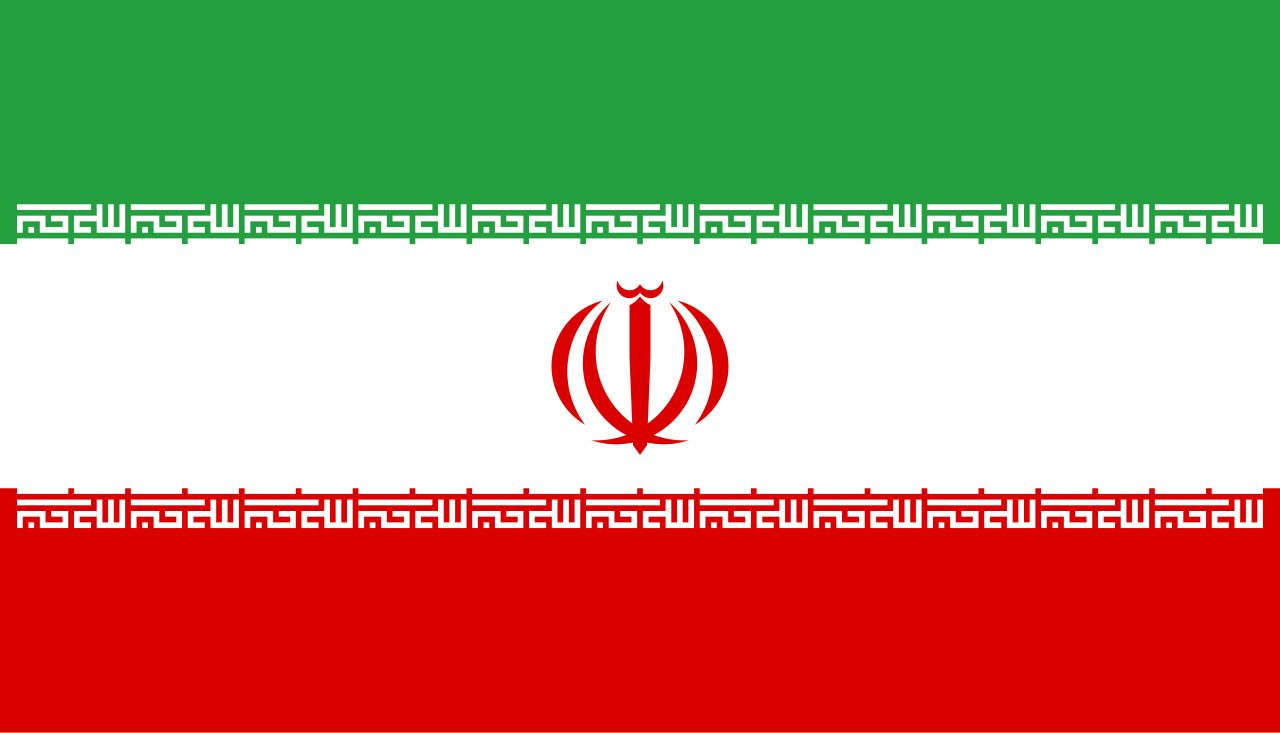
Iranian President Masoud Pezeshkian said this week that Iran would 'not surrender to its enemies' while simultaneously keeping diplomatic channels open. Those two sentences are not in tension. They are the entire strategy.
Tehran has done this before — in 2012, in 2015, in every iteration of nuclear talks. It applies pressure at the chokepoints that hurt, then presents the table as a favor. The Strait of Hormuz, through which a significant share of global seaborne oil passes, is the lever. The question is always how hard to pull before something snaps.
What is different this time is the financial contagion risk. Al Jazeera's framing of an 'Iran war trigger' for the next debt shock is not alarmist; it is arithmetic. Government bonds in several emerging markets are already under pressure, and energy-import-dependent economies — Egypt among them — would feel a Hormuz disruption in their import bills before they felt it in their headlines.
Egypt is a useful case study today. The same news cycle that carries the Hormuz tension also carries Edita Food Industries reporting a 35 percent revenue climb in Q1 2025 and Cairo opening agricultural export markets in Peru, Panama and Mexico. That is real economic momentum — fragile momentum, the kind that a sustained oil-price spike or a shipping insurance surge can quietly erode before any government announces a crisis.
'The strait is not a weapon Iran fires once; it is a weapon Iran holds loaded in every room where diplomacy happens.'
The Belarus nuclear drills involving Russian weapons, reported by Deutsche Welle on the same day, add a secondary layer of noise that strategists in Washington and Brussels must now price into every calculation about Iran. When two nuclear-adjacent crises run simultaneously, bandwidth narrows and miscalculation risk widens.
Germany's foreign minister this week called for Türkiye to be included as the EU develops its defense policy and industrial programs. Poland's deputy foreign minister called Ankara a strategic partner. Neither statement is coincidental timing. European capitals are quietly reordering their security architecture, and Türkiye — which shares history, geography and treaty obligations with both NATO and the Gulf — becomes more valuable as a communications channel to Tehran precisely when direct Western-Iranian dialogue is strained.
Narges Mohammadi's return home after her hospital release is a reminder that inside Iran, the population living under this pressure campaign is not monolithic in its support for the government's brinksmanship. Her foundation noted she will remain under close medical observation. The regime's willingness to let a Nobel Peace laureate re-enter public view, even in a limited medical context, is a calibrated signal — to domestic audiences and to Western interlocutors — that Tehran is managing its image as well as its missiles.
The variable I am watching most closely is not the next round of talks or the next Hormuz incident in isolation. It is whether the International Monetary Fund and Gulf sovereign wealth funds — both of whom have active exposure to regional stability — begin adjusting their public language about downside scenarios. When institutional money starts hedging in public, the diplomatic timeline compresses fast.