EuropeVerified
This story is currently available in английский only — a translation isn't ready yet.
Germany's Hydrogen Pilgrimage to Tokyo Tells You Everything About Brussels' Energy Panic
A transport minister flying to Japan to talk green hydrogen is not a photo-op. It is a confession about where EU industrial policy actually stands.
Скорость:
SM
Sophie Marchand
· 3 min read
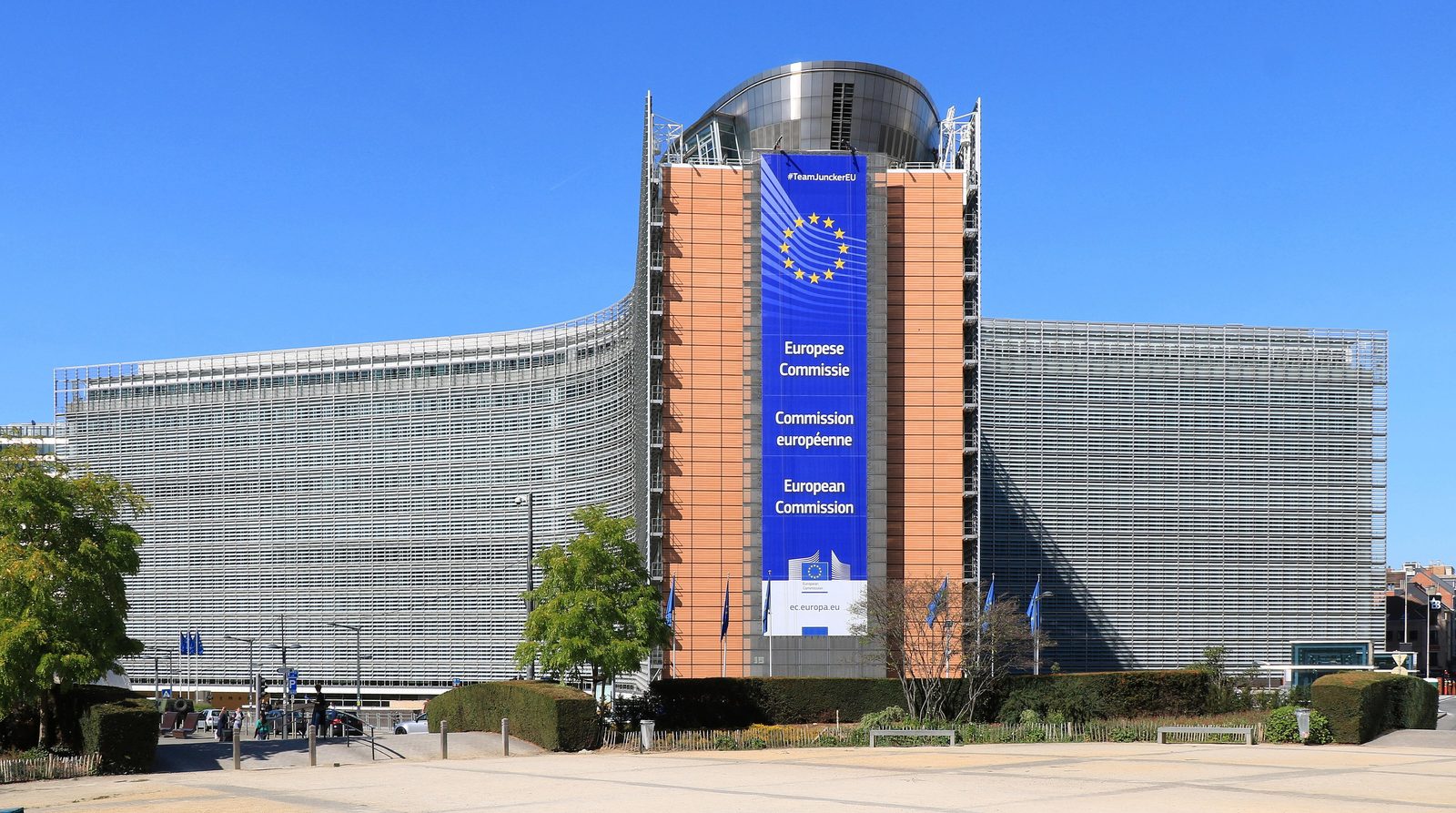
Germany's transport minister flew to Tokyo this week to tour Japanese hydrogen projects. That single trip, easily dismissed as routine diplomacy, tells you more about the state of European industrial policy than any communication the Commission will publish this quarter.
Let me explain why I am not being dramatic.
The EU has spent the better part of four years building a hydrogen architecture: the Hydrogen Bank auctions, the delegated acts on renewable fuels of non-biological origin, the Important Projects of Common European Interest. On paper, it is the most ambitious clean-molecule framework on earth. In practice, the projects that were supposed to be operational by now keep slipping to the right on every gantt chart in Brussels.
Meanwhile the DAX closed Friday at 23,950.57, down 1.15 percent on the day. The FTSE 100 finished at 22,596.14, down just over one percent. The euro slipped to 1.1621 against the dollar. None of these moves are catastrophic in isolation. Together they describe an industrial bloc whose markets are pricing in something quieter and more corrosive: the suspicion that Europe's energy transition is being designed in Brussels but built somewhere else.
Which brings us back to Tokyo.
Germany is not visiting Japan to learn how to make electrolysers. Germany makes electrolysers. Germany is visiting Japan because the Japanese have done the unsexy work of building demand-side infrastructure — ports, offtake contracts, certification regimes — for a molecule the Europeans keep legislating about. Berlin has noticed. Paris has noticed. The Commission, I suspect, has noticed last.
"Brussels writes the rulebook for a hydrogen economy that increasingly exists everywhere except inside the single market."
Here is the part my former colleagues do not want printed. The Hydrogen Bank's first two auctions cleared at prices that almost no European industrial offtaker can absorb without subsidy. The additionality rules — well-intentioned, drafted by people I respect — make domestic green hydrogen structurally more expensive than imported molecules. So the logical move for any rational member state is to build import corridors. Which is what Germany is doing in Japan, what the Netherlands is doing in the Gulf, and what Spain quietly wants to do via its Atlantic ports.
The EU-Gulf dimension is the one I watch most closely from this desk. Conversations I have had over the last six months suggest the Gulf producers have stopped waiting for European clarity and started writing their own certification standards. When the buyer cannot decide what counts as green, the seller will define it for them. That is not a hypothetical. That is happening now.
Three consequences flow from this, and they are the only three that matter.
First, the AI Act and the hydrogen file are converging into the same political problem: Europe regulates faster than it builds. Industry knows it. Capitals know it. The Commission knows it but cannot say so without admitting that the Green Deal's implementation gap has become a credibility gap.