Этот материал пока доступен только на языке: английский — перевод ещё не готов.
Tehran's Five Conditions and a $109 Barrel: The Price of Iranian Patience
Iran has handed Washington a take-it-or-leave-it list. Brent is already up 2.5%. Whoever blinks first pays in oil, ships, and credibility.

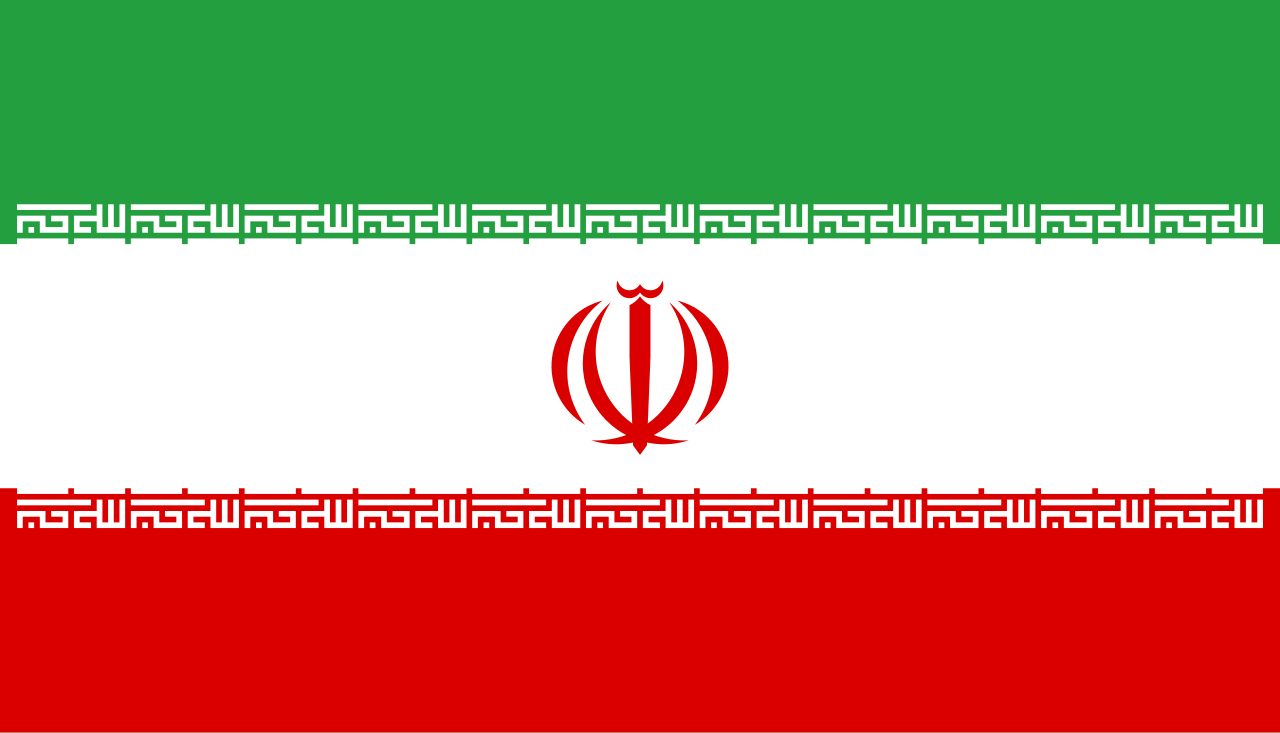
Brent closed Friday at $109.26 a barrel, up 2.51% on the day. That single number is the only honest commentary on the diplomatic theatre unfolding between Tehran and Washington this week.
Iran has set five conditions for resuming talks with the United States, framing them — in the elegant language of regimes that have nothing left to lose — as the "minimum guarantees for trust." The details matter less than the choreography. Tehran is no longer negotiating. Tehran is dictating.
I have watched this particular dance from Vienna hotel lobbies and Geneva back rooms for the better part of a decade. The script rarely changes. What changes is the leverage. And right now, the leverage sits in the Strait of Hormuz, not in the State Department.
Consider the geometry. Roughly a fifth of the world's seaborne oil moves through that strait. Insurance underwriters have been quietly repricing tanker risk for months, according to industry estimates. Every Iranian press conference now functions as a derivatives event.
"Iran is no longer negotiating with the United States. It is negotiating with the global oil market — and the market is listening."
The Egyptians, who read the region better than anyone in Washington, are already bracing for shipping disruption. Cairo's anxiety is not theoretical. The Suez Canal economy lives or dies by the assumption that tankers will keep arriving from the Gulf. If Tehran chooses to test that assumption, Egypt's macroeconomic recovery — already strained — becomes collateral damage.
Which brings us to the question nobody in Washington wants to answer publicly: what does the Biden-era playbook look like when the adversary has stopped pretending to want a deal?
The American assumption, ever since the original JCPOA, has been that Iran ultimately wants sanctions relief more than it wants strategic ambiguity. That assumption is now suspect. The Iranian leadership has watched Russia absorb the worst sanctions regime ever assembled and continue to fund a war. It has watched China build parallel financial rails. It has drawn its conclusions.
If you cannot be starved into submission, you can afford to make demands.
Meanwhile, the wider neighborhood is rearranging itself around the assumption that the Americans will not deliver. In Astana this week, President Tokayev proposed a Turkic AI network and deeper digital integration at the Turkic States Summit — a quiet but unmistakable signal that Central Asia is hedging. The Turkic bloc is not anti-Western. It is post-Western. There is a difference, and Washington still struggles to see it.
Georgia, predictably, continues its slow drift. Foreign Minister Botchorishvili turned up at the Council of Europe Committee of Ministers session in Moldova and met Ukraine's Sybiha — a piece of diplomatic theatre designed to reassure Brussels that Tbilisi has not entirely defected. The opposition at home has issued six demands for free elections. Nobody in the ruling party is losing sleep.
And then there is Gaza. Israeli air strikes killed at least seven Palestinians in a Gaza City apartment building this week, according to Al Jazeera. A land convoy named Soumoud 2 is preparing to leave Libya carrying aid. A British artist is defending an exhibition titled "Drawings Against Genocide" after its cancellation. The vocabulary of this conflict has shifted, and the shift is itself a story. When artists in London name a show that bluntly, the Overton window has not just moved — it has been thrown out.
All of this connects. Iran's five conditions are not a stand-alone provocation. They are a calculation made by a regime that has read the room: Gaza has bled Western moral authority, Russia has demonstrated sanctions resistance, the Turkic states are building their own architecture, and the oil market is twitchy enough to reward any escalation with a price spike.
Tehran is not gambling. Tehran is arbitraging.
The American response, when it comes, will likely be a familiar mix of public defiance and private flexibility. Expect leaks suggesting back-channel progress. Expect a senior official to use the phrase "narrow window." Expect Brent to settle somewhere uncomfortable for European industry and American consumers alike.
The Egyptians, watching all this, are quietly accelerating domestic reforms — a draft family support fund, plans to list military-owned companies on the EGX. These are the moves of a government that has decided it cannot rely on regional stability to bail out its balance sheet. Smart. Belated, but smart.
The question I keep returning to, sitting with a cold coffee and a notebook full of margin scribbles, is this: at what oil price does the American calculation actually change? $120? $140? Higher? Because Tehran clearly believes the number exists, and that it is closer than Washington admits.
Which side discovers that number first will define the rest of 2026.