LifestyleVerified
The Khachapuri Wars: Why Georgia's Cheese Boats Are Splitting a Nation
As tourism floods Tbilisi with international diners, traditional cooks are clashing with fusion chefs over what makes the iconic dish authentic—and who gets to decide.
სიჩქარე:
ℹ️ ბრაუზერის ხმოვანი წაკითხვა · AI სტუდიო ხმა მალე
YM
Yelena Mirova
· 4 min read
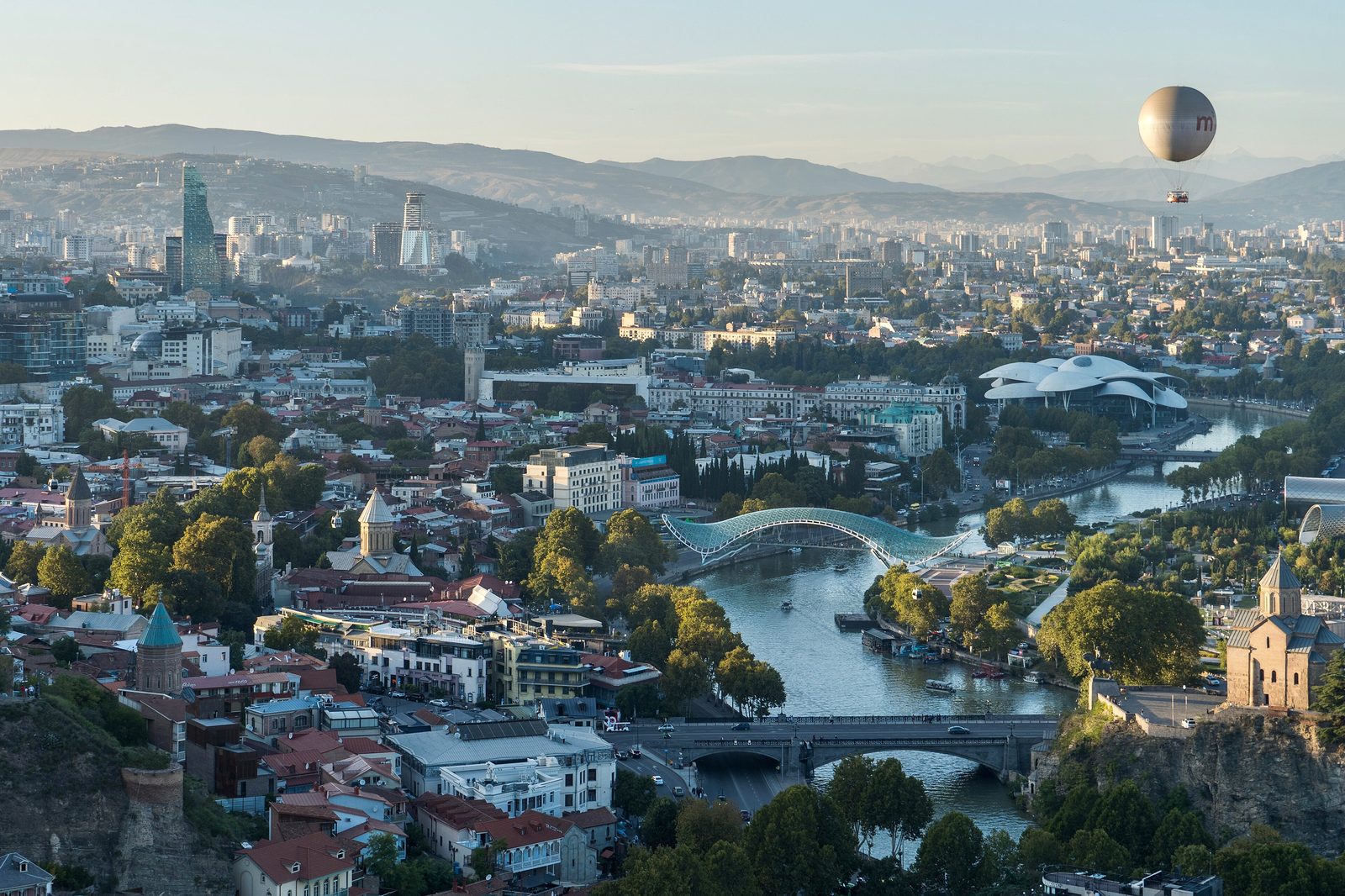
I learned to make khachapuri the way my grandmother taught me: with imeruli cheese she'd press herself, dough that rose overnight in a wooden bowl, and absolutely no substitutions. The bread boat arrived at the table so hot it burned your fingers. You tore the crust, swirled it through melted cheese and egg yolk, and understood why Georgians consider this dish sacred.
Last month in Tbilisi, I watched a celebrated chef—trained in Copenhagen, lauded in international food magazines—serve what he called "deconstructed khachapuri" on a slate plate. Whipped cheese foam. Sous-vide egg. Bread tuile. The Georgian grandmothers at the next table looked like they'd witnessed a funeral.
This is the fault line running through Georgian cuisine right now, and it matters far beyond one country's borders. What's happening to khachapuri is happening to every traditional dish in the Caucasus, the Levant, and Central Asia as global food culture collides with centuries-old culinary identity.
The numbers tell part of the story. Georgia has seen tourism increase dramatically in recent years, with visitors drawn by natural wine, mountain hiking, and yes—the food. International food media has discovered Georgian cuisine, declaring it the "next big thing" with the casual enthusiasm of someone who just learned a country exists.
With that attention comes money, ambition, and chefs returning from culinary schools in Europe with new ideas about their own heritage. I understand this impulse. I left my grandmother's kitchen for the Culinary Institute of America, then worked in Milan. I've plated food with tweezers. I know what happens when you learn technique abroad and return home seeing your culture's food through a different lens.
But here's what keeps me up at night: khachapuri isn't just food. It's a technology for preserving memory.
Every time a Georgian woman—and it is almost always women—makes khachapuri, she's performing an act her great-great-grandmother would recognize. The hand movements. The feel of dough at the right hydration. The knowledge of when cheese has melted to exactly the correct consistency. This knowledge doesn't live in cookbooks. It lives in muscle memory, passed down through observation and repetition.
When we "elevate" or "reimagine" these dishes, we're often solving problems that don't exist. Traditional khachapuri isn't technically deficient. It's not crude or unsophisticated. It's optimized over generations for flavor, satisfaction, and the resources available in Georgian villages. The bread-to-cheese ratio is perfect. The runny egg yolk creates exactly the right sauce when mixed with butter and cheese.
Yet I've watched fusion chefs add truffle oil, replace imeruli with gruyère, or swap the traditional dough for sourdough because it's "more interesting." Each modification chips away at the dish's identity until you're left with something that looks vaguely Georgian but tastes like nowhere.
This isn't about purity for purity's sake. I'm not interested in museum cooking, where dishes are preserved in amber and never allowed to evolve. Georgian cuisine has always absorbed influences—from Persia, from Russia, from the Ottoman Empire. What made those adaptations work was that they emerged from Georgian cooks solving Georgian problems, feeding Georgian families.