هذا المحتوى متاح حالياً باللغة الإنجليزية فقط — الترجمة ليست جاهزة بعد.
When a President Visits Moscow in a Suit, Every Stitch Is a Signal
Al-Sisi's Moscow trip to discuss nuclear expansion with Putin tells a story about prestige, hedging, and the quiet theater of state visits in a fractured world order.
State visits do not look like fashion, but they operate by the same grammar. What a leader wears, where he sits, which handshake gets photographed — these are costume decisions, staging decisions, editorial decisions. When Egyptian President Abdel Fattah Al-Sisi landed in Moscow this week to discuss expanding the El-Dabaa nuclear cooperation agreement with Russian President Vladimir Putin, the visible story was infrastructure and energy. My reading is that the less visible story was something considerably more intricate: a country performing its own indispensability to two audiences at once.
El-Dabaa is Egypt's first nuclear power plant, built on the Mediterranean coast, with Russia's state nuclear company as the principal contractor. The project predates the current global disorder — the original framework agreements go back years — but in 2026, with Brent crude prices sitting more than 60 percent above pre-war levels despite supply rebounding in the region, energy sovereignty reads differently than it did a decade ago. A country that can point to nuclear capacity on its own soil is a country that can politely decline certain conversations about dependency.
That is the deal in the corner. The dress — the spectacle — is the image itself: an Arab leader, from a country that takes significant Western military aid, photographed in warm bilateral engagement with Moscow. The photograph does work that no press release can do. It reminds every interested party that Egypt owns options.
There is a lineage here worth naming. When Nasser courted both Washington and Moscow in the 1950s and 1960s, the strategy was called non-alignment, and the Western press treated it as opportunism. Fifty years of hindsight suggests it was simply statecraft — the art of never being so legible to one patron that you lose value to another. Al-Sisi is playing a recognizable hand. The cards are nuclear reactors and energy infrastructure rather than arms deals and dam financing, but the table geometry is the same.
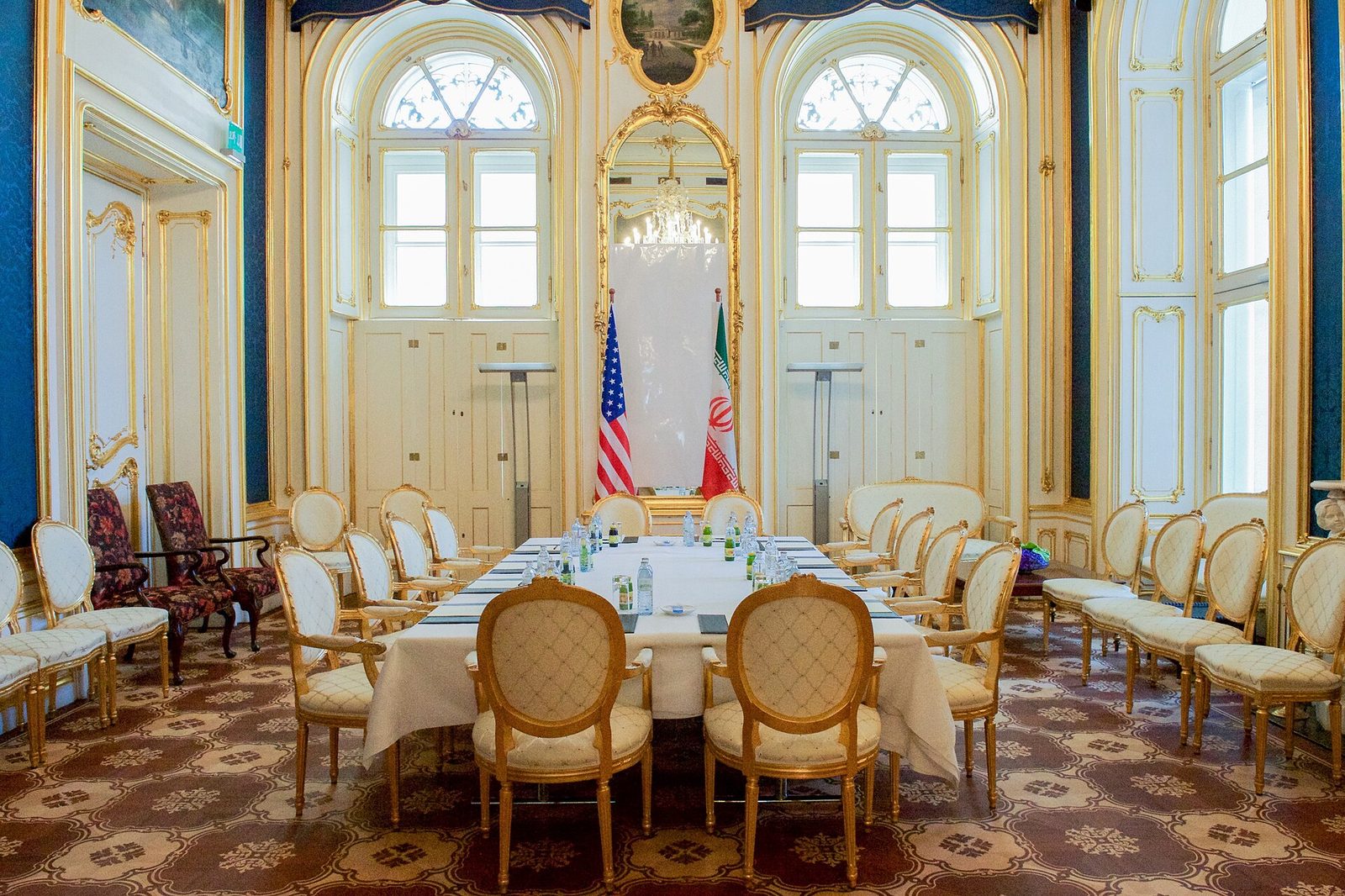
What interests me, as someone who spends considerable time watching how power is staged for cameras, is how much of this visit's weight lives in its optics rather than its announced content. The Kremlin produces state visit imagery with the same attention to symbolism that a major couture house brings to an haute couture presentation. Wide rooms, long tables, flags spaced precisely — it is a house style, and it communicates seriousness of relationship. Being received in that room at all is a credential. Al-Sisi arriving and being photographed within it carries messaging back to Cairo, to Washington, to Gulf capitals, to Brussels, simultaneously.
This is what serious geopolitical observers sometimes underestimate about image-making at the state level: the audience is never singular. A head of state photograph from Moscow is not aimed at Muscovites. It is aimed at everyone watching who understands that the image is a negotiating position made visible.
What I find genuinely striking — and this is my own reading, clearly flagged — is how the vocabulary of luxury and status production that governs red carpets and royal appearances now governs diplomatic staging with almost identical logic. The choice of venue, the configuration of seating, the presence or absence of a joint press statement: these function exactly as a dress choice functions at Cannes. They signal alliance, ambition, independence, or deference, often within the same frame. Statehood, in our media-saturated era, partly performs itself through image curation. Egypt knows this. Russia knows this. The meeting happens; the photograph circulates; the signal lands.
A brief note on what the nuclear dimension adds beyond energy arithmetic. Countries that operate civilian nuclear infrastructure occupy a different tier in international conversations — not because the plant itself confers military capacity, but because the technical relationships, the supply chains, the engineering dependencies, all accumulate into a kind of standing. France understood this after Gaullist doctrine took hold in the late 1950s. The reactor at El-Dabaa, whenever it comes fully online, will bind Egypt into a technical relationship with Russia that outlasts any single administration in either country. Infrastructure is the longest-lasting garment in the wardrobe. It does not go out of season.
For a columnist whose beat runs from the Croisette to Gulf palace gardens, state visits might seem adjacent territory. But celebrity and statesmanship share the same underlying architecture: both require a subject who understands that their public appearance is never merely personal. Both require management of narrative across hostile, friendly, and undecided audiences simultaneously. Both carry, underneath the visible event, a transaction that the event is designed to legitimize.
The suit Al-Sisi wore in Moscow will not trend anywhere. What trends, quietly, is the positioning itself — and anyone watching the region's energy and security conversations will have taken careful note of who was in the room, and what the room was willing to offer.