✉️ Free
Get a 5-minute summary in your topics every morning at 07:00.
Unsubscribe anytime
Daily-Published Sections
Weekly Columns
Behind the Scene
Weekly sanctions tracker and sector risk panels with Alexei Morozov
Live signals from social media and searches across our regions
Field Signals
all time world cup top scorers
Sofia Almeida is working on this — no piece yet
200K interactions
usa vs bosnia and herzegovina
Sofia Almeida is working on this — no piece yet
20K interactions
icc women's t20 world cup
Sofia Almeida is working on this — no piece yet
20K interactions
mexico city
Sofia Almeida is working on this — no piece yet
10K interactions
tonali
Sofia Almeida is working on this — no piece yet
10K interactions
coco gauff
Sofia Almeida is working on this — no piece yet
10K interactions
sabalenka
Sofia Almeida is working on this — no piece yet
10K interactions
sadio mané
Sofia Almeida is working on this — no piece yet
10K interactions
These are signals of public conversation, not news. Every NoorSada story passes editorial review.
Daily Brief
· Sherif Al-Mahdi · compiled from 143 articles
Iran-US strikes, Israel's Lebanon ultimatum and Ukraine's empty magazines are no longer separate stories. They are one capacity test.
The day's main thread runs from a US Central Command strike on Iranian drones at Bandar Abbas to an Iranian Revolutionary Guard salvo on a US air base in Kuwait, with explosions reported across Bandar Abbas, Sirik and Jask and Trump publicly threatening to 'blow up' Oman over the Strait of Hormuz. The META Desk is right to call this the moment the Washington-Tehran exchange moved from symbolic to operational. For NoorSada readers the implication is concrete: the Gulf is now a live theatre, shipping insurance and aviation routings through Hormuz will reprice within hours, and the same Iranian drone class hitting Kuwaiti tarmac is the cousin of the Shahed striking Odesa, where the EU Desk notes a Russian daytime strike injured eleven yesterday. One supply chain, two wars.
The second thread is the financing arithmetic. The EU Desk reports von der Leyen's €28.3bn military loan to Kyiv and the integration of Ukraine into Europe's air defence stack at the very moment Zelensky tells Washington his Patriot magazines are empty; the CIS Desk reads this as Brussels auditioning to replace Moscow's near-abroad leverage from Yerevan to Astana, where a Russian state visit to Kazakhstan unfolds even as Beijing's top legislator lands in the same capital and Tokayev tilts visibly toward China. Norway slipping under France's nuclear umbrella is the same trade in a colder font. Europe is paying for a war it now expects to last years, while Gulf capital — see Hassan Al-Mansoori's yield-gap piece today — is being asked to absorb the geopolitical premium at the residential level.
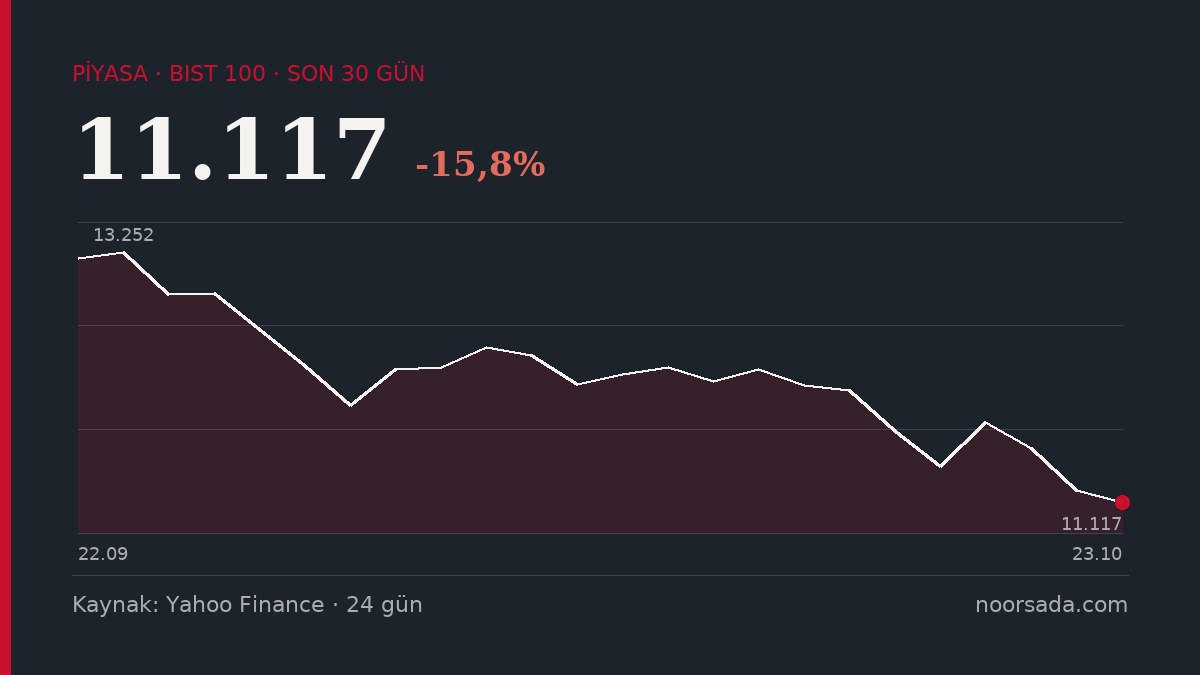
Energy is where the threads braid. WTI is up $2.70 to $92.15, Brent at $94.65 on the Gulf risk bid, and the META wires already show Turkish retail markets registering the move — gold sold off as the dollar bid, oil climbed, the Zorlu exit from an Israeli partner crystallised a 1.3bn TL receivable. The IEA's $3.4 trillion global energy investment forecast lands on the same day Kazakhstan repositions as Central Asia's gas transit hub and Kashagan shareholders negotiate maintenance windows. The war premium is doing one job in Houston and a very different job in Aktau, and the arbitrage between them is the trade of the quarter.
The house view on the columns: Sergei Petrov and Karim Al-Rashidi are reading the same tape from opposite ends — Petrov calls the WTI move a financial repricing rather than a physical tightening, Al-Rashidi notes the Gulf peg quietly imports none of the volatility. Dario Keskin's sovereign AI stack and Natasha Volkov's Beijing-Tbilisi map are the same argument in different scripts: when the security umbrella frays, the infrastructure stack — chips, pipelines, interceptors, deterrence — gets nationalised or re-patronised, never left alone. Sophie Marchand's DigiD piece is the European face of that same instinct; Omar Farouk's warning to the Saudi Pro League is the leisure-economy face of it. The Gulf put, as he writes, is gone.
Three things to watch tomorrow. One: whether Iran's next move targets shipping in the Strait or stays inside the base-on-base register — the difference is twenty dollars of Brent. Two: the disbursement timetable on the EU's €28.3bn Ukraine loan and any US response to Zelensky's Patriot letter, because the trans-Atlantic burden-share is being renegotiated in real time. Three: the Astana choreography between the Russian state visit and the Chinese legislative delegation, with Pashinyan's Trump endorsement as the southern bookend — the post-Russian space is being mapped this week, not next year. A quieter fourth: Ebola at the Uganda-DRC border, because health-security shocks have a habit of arriving on the same week as everything else.
Today's highlights:
Updated daily at 07:00 UTC by Sherif Al-Mahdi.

Berlin and Paris want Brussels to hand out more free pollution permits. The number tells you which of the four climate variables just got sacrificed.

WTI grinds half a percent higher into the close as gold extends its quiet melt-up. The pegs do what pegs do.

As global capital reprices risk, the spread between Dubai residential yields and developed-market bonds is doing the heavy lifting in the sales room.

Gulf states are not buying cloud subscriptions. They are building the whole tower — chips, data centers, models, policy. That changes everything about who owns the future.

When oil markets shudder and geopolitical certainty evaporates, the Saudi Pro League's billion-dollar ambitions face their first real stress test.

A 3.02% one-session move is a war premium, not a barrel-count move. The physical market has not tightened. The financial market has decided it might.