This story is currently available in Englisch only — a translation isn't ready yet.
Aliyev Skips Turkic States Summit as Baku Puts Eight Turkish Citizens on Wanted List
Azerbaijan's Prosecutor General's Office has put eight people on the wanted list, and the Foreign Ministry has banned 31 Turkish citizens from entering the country; Ankara is trying to defuse the conflict
ℹ️ Browser-Stimme · KI-Studiostimme bald verfügbar
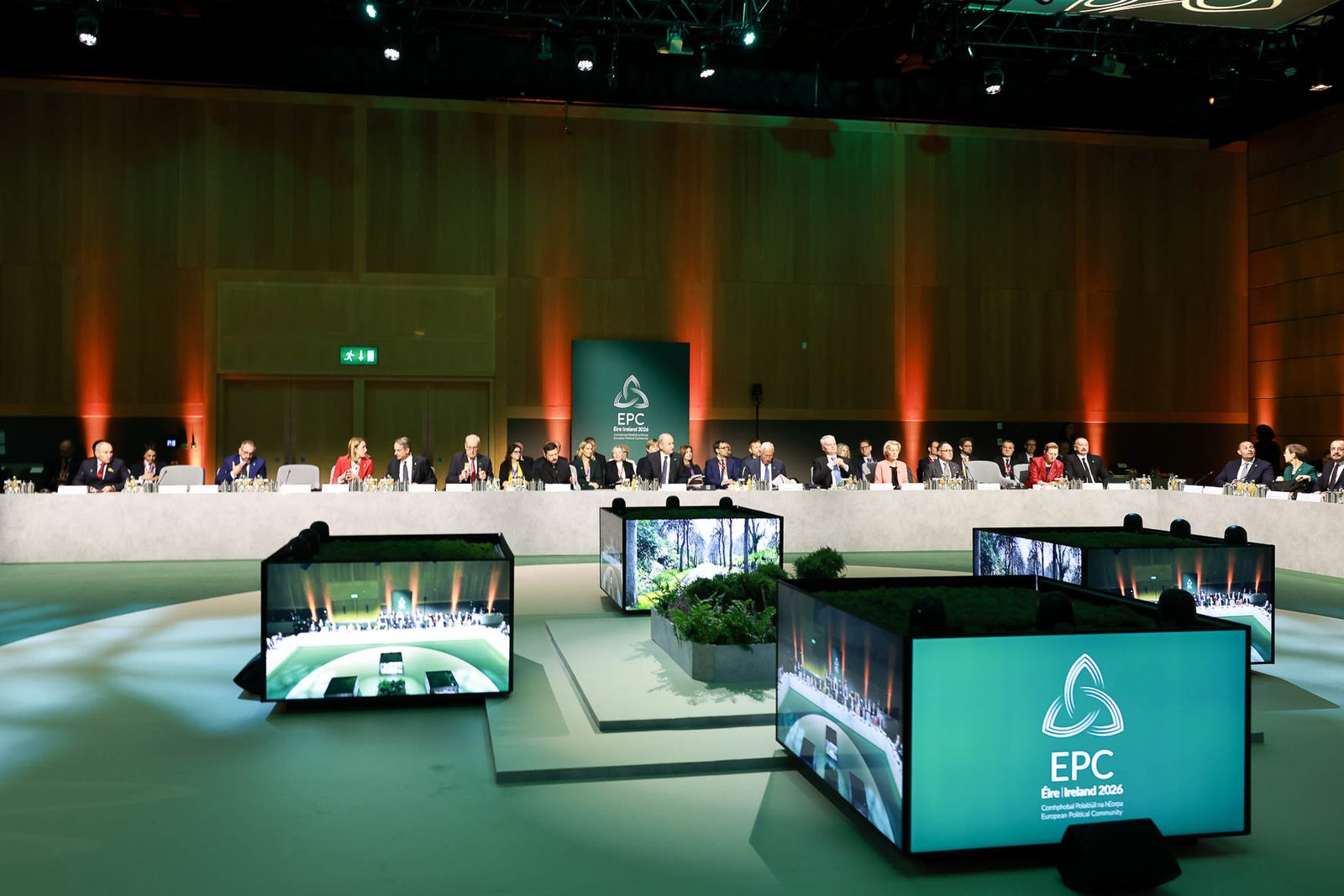
Relations between Turkey and Azerbaijan have entered a crisis: on 21 October, Ilham Aliyev refused to come to the summit of the Organization of Turkic States in Ankara despite a personal invitation from Recep Erdogan, and sent the head of the Foreign Ministry in his place. Azerbaijan's Prosecutor General's Office put eight Azerbaijani citizens living in Turkey, including journalists, on the international wanted list, and the Foreign Ministry banned 31 Turkish citizens — politicians, journalists and bloggers — from entering the country.
The first round began in September: the Azerbaijani delegation refused to leave the hall of the UN General Assembly during the speech of Israeli Prime Minister Benjamin Netanyahu. In response, Azerbaijan's Council on Media and Broadcasting accused Ankara, saying that critical publications in Turkish media and social networks were part of a 'coordinated campaign' against Azerbaijan.
On 2 October, Aliyev said that Azerbaijan had won the 2020 Karabakh war on its own, buying weapons with its own money and at world prices. He did not name Ankara directly, but in Turkey the speech was taken as a jab against an ally.
On 12 October, Erdogan's adviser Oktay Saral called it unacceptable that, because of a change in school uniform rules in some schools in Azerbaijan, female students in hijabs had stopped being allowed to attend classes. The ruling New Azerbaijan Party accused Turkey of a 'systematic campaign' against Baku and demanded that it abandon a 'harmful policy'.
On 17 October, the outlet Qafqazinfo published a text accusing Turkish Foreign Minister Hakan Fidan of allegedly holding secret meetings with groups during a visit to Baku and discussing preparations for a 'coup'. The Turkish embassy in Baku denied the accusations, and the text was deleted.
At every round, Ankara tried not to respond with counter-demarches. On 7 October, ruling party spokesman Omer Celik said there was no political crisis between the countries. On 15 October, Fidan came to Baku on a conciliatory visit and called relations between the two countries an unbreakable alliance. On 26 October, Saral announced that he was leaving his post on the president's instructions. Turkish police launched an investigation into four people who had criticized the hijab restrictions: two representatives of the media project Köklü Değişim were detained, and two others were summoned for questioning.
Among the reasons for Baku's intransigence is Israel, which Azerbaijan considers an important arms supplier: Azerbaijani supplies account for a significant share of Israel's crude oil imports, and they are transported through the Turkish port of Ceyhan, even though Ankara announced back in 2024 that it was ending direct trade with Israel. The second source of tension is Armenia: Turkey welcomed the initialing of the peace agreement in Washington in August 2025, but the final treaty has not been signed, as Azerbaijan continues to put forward new demands.
Sources — how we know this
- PrimaryMeduza