This story is currently available in Englisch only — a translation isn't ready yet.
Ukraine and Russia agree to exchange 1,200–1,300 prisoners from each side
Zelensky said the agreement was reached after talks in Abu Dhabi and consultations by Witkoff and Kushner in Moscow; Europe will get a seat at the negotiating table.
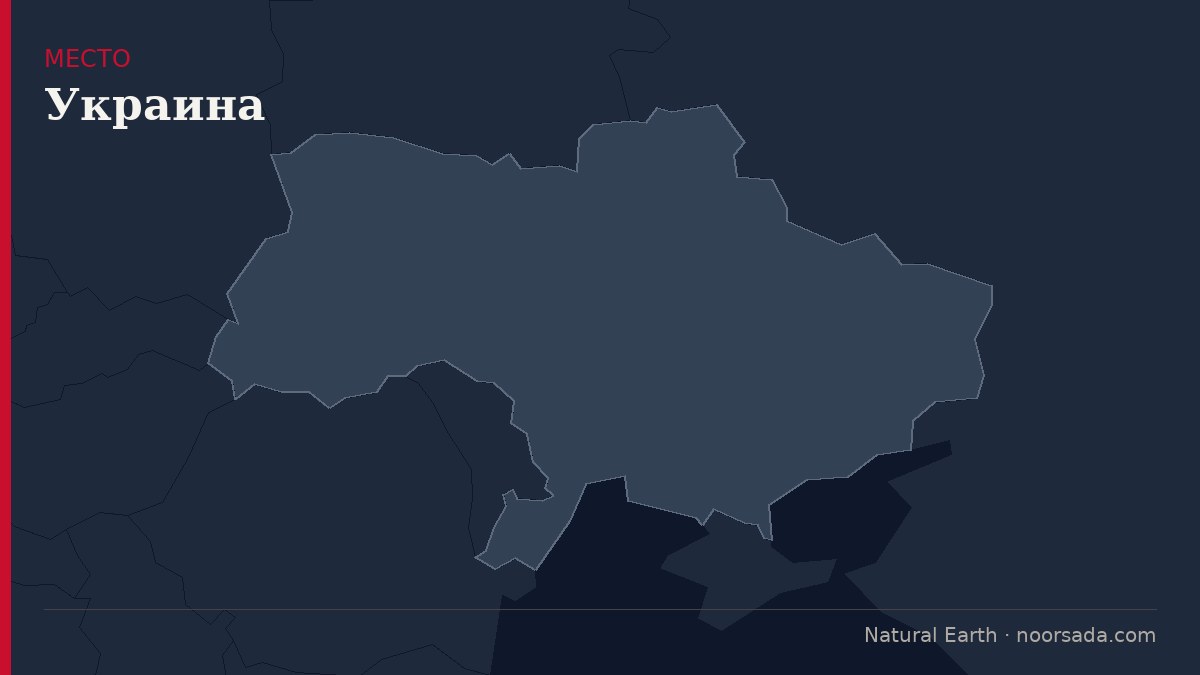
Ukraine and Russia have agreed on a prisoner exchange — between 1,200 and 1,300 people from each side. President Volodymyr Zelensky announced this at a briefing on Friday, November 13.
According to him, the agreement was reached after trilateral talks in Abu Dhabi on November 10–11 and subsequent consultations in Moscow between Russian President Vladimir Putin and US special envoys Steve Witkoff and Jared Kushner.
"The main signal was to conduct the largest exchange of the entire war," Zelensky said, clarifying that negotiators are still finalizing whether the exact number will be 1,200 or 1,300 prisoners from each side.
If the exchange takes place, it will significantly surpass recent repatriation operations, including the October 23 exchange in which Ukraine returned 270 servicemen and civilians, many of whom had been in Russian captivity since 2022 — since the siege of Mariupol.
Zelensky confirmed that Kyiv's persistent demand for Europe's full inclusion was accepted by Washington and then agreed by Moscow during the Kremlin talks: European delegates are moving from adjacent rooms directly to the main negotiating table.
The president said they supported the idea that "next time Europe will be at the same negotiating table," rather than in an adjacent room, as was the case now in Abu Dhabi, and that the parties would have a joint agenda. The Americans, he said, went to Moscow with this proposal, returned and reported that all parties had agreed to it.
He asked European allies to form a delegation by the end of November, noting the understanding that Kyiv retains the final say on its composition. By his forecast, Europe will likely be represented by three to five officials. Among the options discussed in Abu Dhabi were the heads of the EU and NATO or the national security advisers of the E4 countries — Britain, France, Germany and Italy — as well as possible representation from Finland, Norway and Poland.
Zelensky also warned against US attempts to draw Russia into negotiations by putting discussion of a new post-war global and European security architecture ahead of a cessation of active hostilities.
He said that, in his view, "this could be dangerous," that he had already spoken about this and warned our team, and that this should not be the main agenda and should not come from Ukraine, noting that Moscow seeks to rewrite European security rules in its own favor.
He insisted on a strict sequence: establishing a ceasefire, ending Russia's war against Ukraine and Kyiv obtaining binding security guarantees — and only then broader continental frameworks. "In Europe and for Europe there are no security guarantees without Ukraine. It is simply impossible," Zelensky stressed.
Sources — how we know this
- PrimaryKyiv Post