This story is currently available in Englisch only — a translation isn't ready yet.
Ethiopia Shifts Its Criticism to Egypt's Water Policies as Cairo Speaks of 'Options'
Water and Energy Minister Habtamu Itefa calls on Egypt to modernize irrigation, while Egyptian officials say the claims are not based on scientific grounds
ℹ️ Browser-Stimme · KI-Studiostimme bald verfügbar
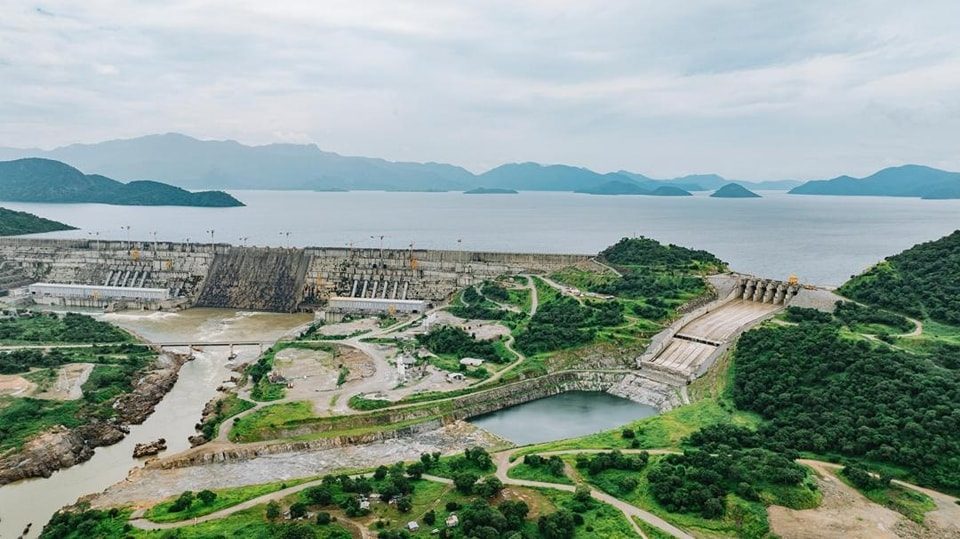
Ethiopia's Minister of Water and Energy Habtamu Itefa accused Egypt of wasting water and called on it to modernize irrigation techniques, in remarks published by the Ethiopian News Agency on Saturday evening, in a shift that moves the dispute over the Grand Ethiopian Renaissance Dam from upstream states' projects to Egypt's water policies.
Itefa said Egypt "carried out a number of water development projects without sufficient regard for Ethiopia's interests, including the construction of the High Dam in Aswan and other water transfer projects," advising Cairo to "reassess its policies related to domestic water consumption." He criticized "the Egyptian approach toward the Nile," adding that the Grand Ethiopian Renaissance Dam delivers benefits to Sudan and Egypt, including "improving the regulation of water flow and increasing its availability during drought seasons."
He pointed to "water-intensive agricultural practices, such as the expansion of rice and sugarcane cultivation, as well as projects transferring water to desert areas, such as the Toshka Valley and the Sinai Peninsula," calling for "adopting modern irrigation techniques and reconsidering water-intensive agricultural activities." What the Ethiopian agency reported contained no reference to resuming negotiations frozen since 2024.
For his part, the head of the Foreign Affairs Committee of the Egyptian Senate and former foreign minister, Ambassador Mohamed El-Orabi, saw that the repetition of Ethiopian statements "should not be given much attention, especially since they are not based on any scientific, political or moral grounds." He said the Ethiopian side repeats these claims "as a result of its feeling of panic," affirming that "Egypt still possesses many alternatives and options, and there is broad support from the international community for Cairo's rights, and Ethiopia has no choice but to go to a legal agreement on the dam."
Ethiopian researcher and analyst on African affairs Moussa Sheikhou believes that Itefa's remarks "reflect an Ethiopian orientation to shift the debate from protecting historical shares to equity of utilization and efficiency of water resource management," adding that "Egypt's water security should not be achieved at the expense of the development rights of upstream states," and that there is no contradiction between Egypt's demand that it modernize its water policies and negotiating over the operation of the dam.
On the other hand, Egyptian expert on African affairs at the National Center for Middle East Studies Hussein El-Beheiry said Ethiopia is trying to "market its claims that Egypt is responsible for wasting Nile water," and the claim that Egypt receives quantities greater than its share estimated at about 55 billion cubic meters of the river's water. He explained that the High Dam was built inside Egyptian territory, which is a downstream state, while the Ethiopian dam was built on the Blue Nile, one of the main tributaries in an upstream state, "and therefore any water storage upstream will undoubtedly affect the two downstream states directly."
El-Beheiry said that "the procrastination, tricks and violations raised by Ethiopia may push Egypt to adopt all the options available to it to defend its national security," noting that Cairo is currently pursuing "a diplomacy of caution and anticipation."
The dispute between Cairo and Addis Ababa over the dam has continued for more than a decade, with negotiations frozen in 2024, and diplomatic relations reaching the point of mutual expulsion of diplomats last month.
Sources — how we know this
- PrimaryAsharq Al-Awsat