This story is currently available in Englisch only — a translation isn't ready yet.
Brent Falls to $91.66... IEA Leans Toward Fourth-Quarter Surplus
Futures retreat as expectations of ample supply outweigh Hormuz risks, with transits through the Strait at 49 percent of pre-war levels
ℹ️ Browser-Stimme · KI-Studiostimme bald verfügbar
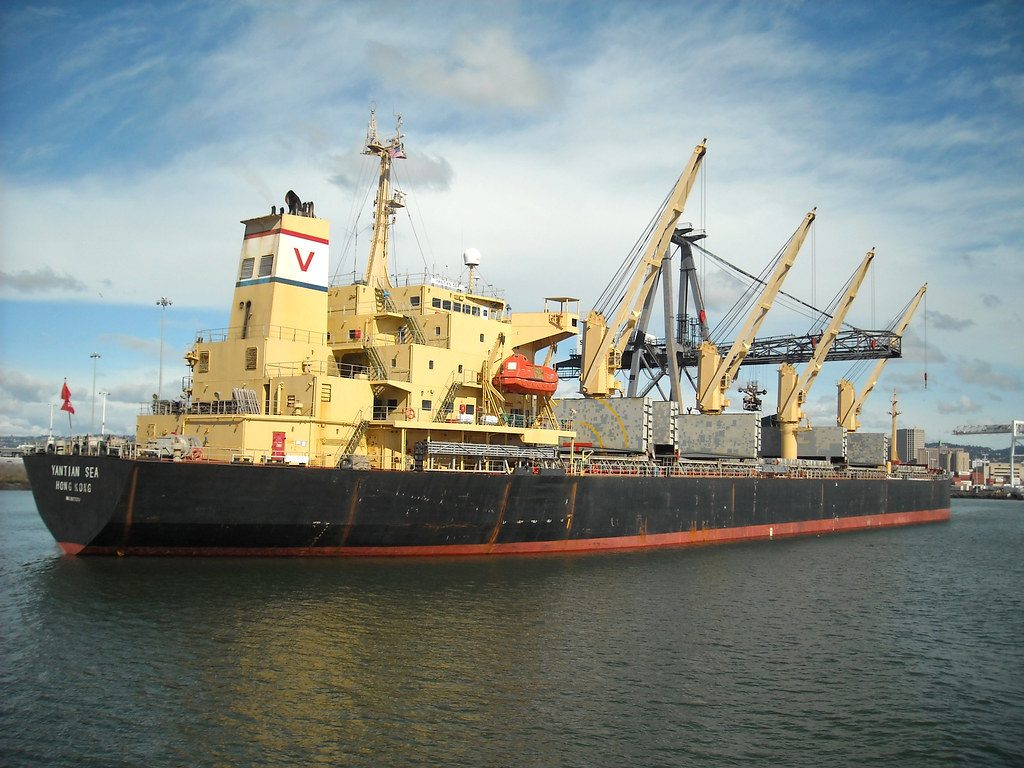
Brent crude futures fell 78 cents, or 0.8 percent, to $91.66 a barrel by 04:30 GMT in Asian trading, while US West Texas Intermediate futures dropped 73 cents, or 0.9 percent, to $84.99.
Tim Waterer, chief analyst at KCM Trade, said oil prices are readjusting lower as the market increasingly accepts the idea that supply has caught up with demand and may even overtake it in the coming phase, noting that this shift in the supply-demand balance is the main factor weighing on prices at present.
The International Energy Agency had forecast on Friday that the global oil market would return to a supply surplus during the fourth quarter of the current year, as Middle East exports recover at a faster pace than global oil demand growth, despite continued attacks targeting maritime navigation.
The geopolitical risk premium tied to the conflict between the United States and Iran has not disappeared, but Waterer says it has fallen to a secondary rank in market calculations at present compared with the impact of supply expectations. Iranian attacks on US bases in Bahrain have continued, alongside disruptions to shipping traffic through the Strait of Hormuz.
In a research note, ANZ bank analysts indicated that concerns about oil flows are beginning to recede as signs of continued supply recovery emerge, warning that supplies, inventories, refining operations and actual spare production capacity are exposed to growing risks. They noted that transit through the Strait of Hormuz remains at only about 49 percent of the levels recorded before the war.
An oil tanker was struck by an "unidentified projectile" as it was exiting the Strait of Hormuz, causing a fire in the engine room with no human casualties, according to two British maritime authorities.
The Organization of the Petroleum Exporting Countries (OPEC) held a virtual meeting to discuss a review of the maximum sustainable production capacity of member states, a key process that will help determine production quotas within the OPEC+ alliance for 2027 and beyond. The broader alliance, which includes producing countries from outside the organization led by Russia, will decide on its 2027 production policy at its meeting scheduled for November 29.
In the United States, Energy Department data showed crude oil inventories in the Strategic Petroleum Reserve fell to 276.4 million barrels last week, the lowest level since August 1982, amid recent drawdowns under a US agreement to release 172 million barrels from the strategic reserve.
Goldman Sachs expects oil prices to trend lower over the coming year, as the return of a supply surplus weighs on markets again.
Sources — how we know this
- PrimaryAsharq Al-Awsat
Energy Portfolio
Check your broker for the latest on energy stocks.
View Now →