This story is currently available in Englisch only — a translation isn't ready yet.
Washington Imposes Export Licenses on AI Chips to Five Countries, Targets Foreign Data Centers
Commerce Department rules give data centers outside China 90 days to obtain a license, and come on the eve of Trump and Xi Jinping talks
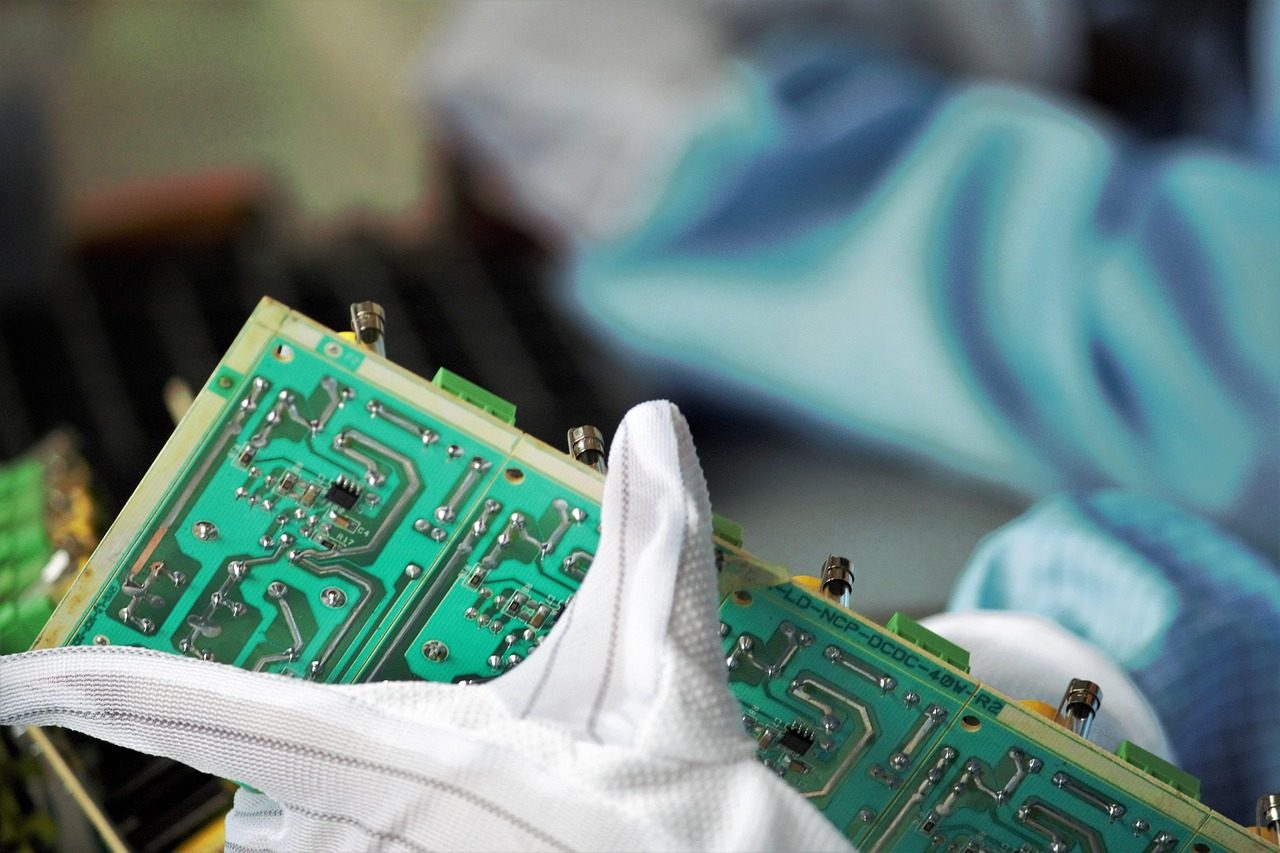
The US Commerce Department announced on Monday new rules requiring export licenses for shipments of advanced chips to Singapore, Thailand, Malaysia, Indonesia and Brazil, and expanded restrictions to include data centers outside Chinese territory that serve companies headquartered in China.
The move comes in parallel with President Donald Trump's travel to China to hold talks with President Xi Jinping, and targets what Washington describes as a loophole in the control system: data centers outside China that enabled Chinese companies to access advanced computing capabilities without needing to directly own the chips used to operate them.
Under the rules, these centers must obtain US export licenses within 90 days to continue providing their services, or else face future export restrictions. The measures cover centers whose computing capacity exceeds a specific threshold, while the department exempted systems used by online retail companies and social media platforms, on the grounds that they do not represent the same level of threat to national security.
Kate Koren, a former official at the US Commerce Department, said the new rules may have a greater impact on China than merely adding a single company to the trade blacklist known as the "Entity List."
The rules come days after reports linked Jensen Huang, the former chief executive of Nvidia, to the case of Megaspeed, a Singapore-based cloud computing company and Nvidia partner that rents out computing capacity through its data centers and is under scrutiny over suspicions of illegally diverting advanced chips to China. Nvidia, which strongly opposed the Biden administration's restrictions, had declined to comment on the new rules.
The Commerce Department said the new rules were drafted by the Treasury Department and the White House National Security Council, which also directed their publication. The measures include a formal rescission of rules put in place by the administration of former President Joe Biden that aimed to restrict global access to AI chips through a licensing system; the department had announced in early 2025 that it would not implement those rules, and that it would rescind them and replace them with a new system, but it took no formal action on the matter until Monday.
Treasury Secretary Scott Bessent revealed on Friday that four government agencies supported adding Megaspeed to the trade blacklist, but the Commerce Department, which had been handling the file, did not agree to it. Senior White House officials had discussed the possibility of removing Commerce Secretary Howard Lutnick from his post, according to what Reuters reported last week, but Trump said on Monday that he does not intend to replace him, confirming that the secretary would be among the officials accompanying him on his Asian tour.
Trump said there are two different viewpoints on how to deal with China, one leaning toward establishing friendly relations with it and the other pushing toward greater confrontation, adding that he accepts the existence of both views.
Sources — how we know this
- PrimaryAsharq Al-Awsat