This story is currently available in Englisch only — a translation isn't ready yet.
Black Sea drone attacks halt Romanian marine surveys as strandings hit 170
Mare Nostrum says its teams can no longer sample off Sulina after a cargo ship was hit by a drone off Constanta, killing one and leaving three missing.
ℹ️ Browser-Stimme · KI-Studiostimme bald verfügbar
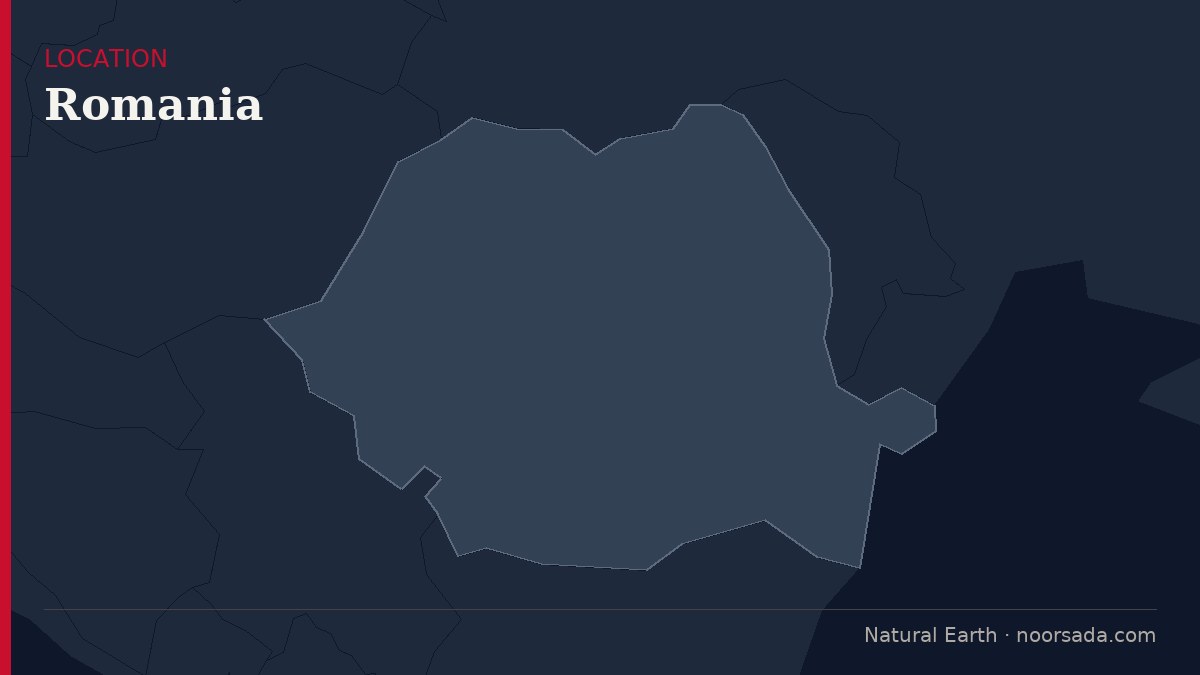
Drone attacks on shipping off Romania's Black Sea coast have forced the Constanta-based environmental group Mare Nostrum to abandon its offshore sampling, its director general said, as the group counted 170 cetacean strandings this year.
At the end of October a cargo ship was struck by a drone a few kilometres from the port of Constanta, where Mare Nostrum volunteers in blue vests were combing a 100-metre by 100-metre stretch of beach for waste. Romanian authorities blame Russia for the attack, which killed one person and left three missing. Days later a container ship bound for Romania was attacked by three drones.
The Black Sea has become the world's deadliest maritime route, with 570 attacks on ships recorded since the start of the year and at least 40 people killed, against 24 in the Strait of Hormuz.
Marian Paiu, Mare Nostrum's director general, said the war had pushed his scientists off the open sea. "Even our territorial waters no longer seem safe," he said, crouched to pick up cigarette butts. Before the conflict his teams joined floating structures to take samples in the Sulina area, in the north near the Ukrainian border. With no port between Navodari and Sulina, the trip requires two nights at sea. "The risks are too great," he said, citing drones and drifting mines.
Angelica Paiu, the group's project leader, said: "The geopolitical situation of the Black Sea is frankly not rosy."
On shore, George Tudorache, who coordinates Mare Nostrum's events, is tracking strandings. The Black Sea holds three cetacean species: the harbour porpoise, the bottlenose dolphin and the Black Sea common dolphin. The group has logged 170 strandings since January, a level not seen since 2010; the previous peak came in 2022, when the war began.
Mare Nostrum has worked for biodiversity since 1994. Its beach clean-ups now run alongside a war it cannot measure: with vessels unable to work offshore, the group says it lacks the data to assess the conflict's effect on marine life.
Sources — how we know this
3 independent sources corroborated this
- Primary20 Minutes
- CorroboratingThe Kyiv Independent
- CorroboratingPOLITICO Europe