This story is currently available in Englisch only — a translation isn't ready yet.
Breast cancer rates among under-50s rise as patient warns concerns were dismissed
Kreena Dhiman, diagnosed at 33, says she was told she was too young for cancer, as an analysis finds increases in seven cancer types diagnosed before the age of 50 in England
Kreena Dhiman was 33 when she noticed that one of her nipples had turned inwards. She was told she was too young for it to be anything serious. In August 2013 she was diagnosed with stage 3 hormone-sensitive breast cancer. She is now 47 and from Crawley, West Sussex.
Her warning comes as an analysis by the World Cancer Research Fund found significant increases in seven types of cancer diagnosed before the age of 50 in England. Breast cancer remains the most common cancer among under-50s, with rates increasing from 42 to 47.5 cases per 100,000 people between 2001 and 2023. Latest figures show there are around 10,000 cases in people under 50 every year.
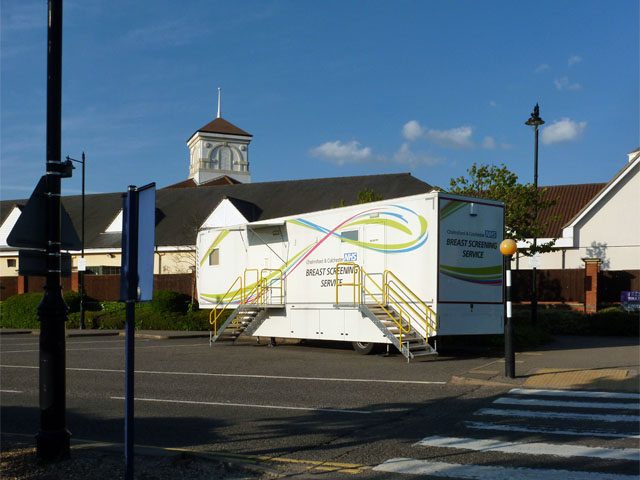
In England, routine NHS breast screening is generally offered to women aged 50 to 71, meaning women in their thirties are not routinely invited unless they qualify for additional surveillance.
Dhiman's diagnosis came through the NHS, but private medical insurance through her employer meant she could have her mastectomy two weeks earlier than her NHS date. "I was made to feel like I was worrying over nothing," she said. She underwent a mastectomy, chemotherapy and radiotherapy, and had emergency IVF before treatment in the hope of preserving her chance of becoming a mother. In 2016 she suffered acute heart failure caused by chemotherapy. She recovered, and she and her husband Satty have since welcomed four children through surrogacy.
"Most people my age had no idea what their risk was," she said. She said young people need to know what is normal for their bodies, what their risk looks like, and to be able to get checked without being told they are too young.
Kelly McCabe, chief executive of cancer care provider Perci Health, said: "Understanding your risk is the first step." She said age, family history, genetics and ethnicity all play a part, and that support to advocate for yourself at the GP when you have a concerning symptom is essential, particularly for younger people whose concerns are often dismissed.
Research by workplace health and wellbeing provider Westfield Health found that fewer than one in 50 workers (1.8%) say their employer provides cancer support, such as help with early diagnosis. Vicky Walker, chief people officer at Westfield Health, said: "This isn't about replacing the NHS, but about complementing it."
Sources — how we know this
- PrimaryDaily Mirror — News