This story is currently available in Englisch only — a translation isn't ready yet.
100 tons of waste collected in 5 days at COP31 site, 80 percent went to recycling
Mahmut Erdaş from the Ministry of Environment, Urbanization and Climate Change said the zero waste practice was implemented inside a COP site for the first time.
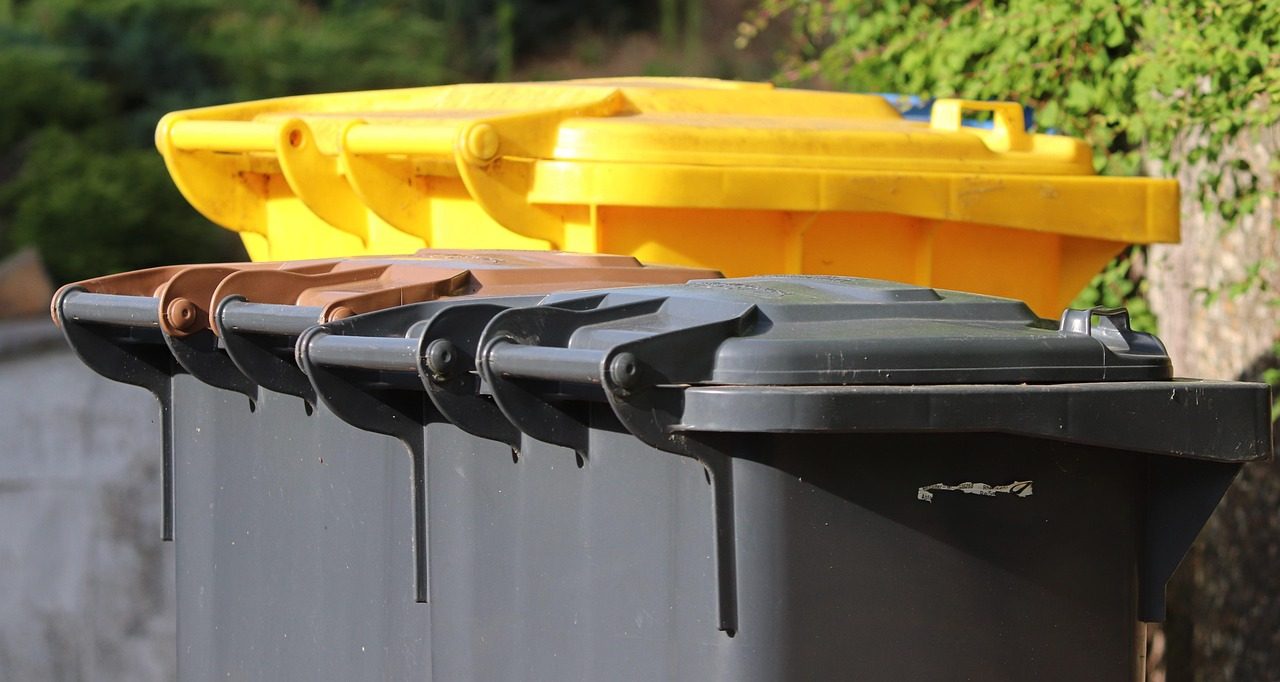
In the COP31 site in Antalya, approximately 100 tons of waste was collected in the Blue and Green Zone in the first five days; 80 percent of the collected waste was sent to recycling companies, while the 20 percent portion went to the disposal facilities of municipalities. The site became the place where the zero waste system was implemented inside a COP area for the first time.
Mahmut Erdaş, Head of the Personnel Department of the Ministry of Environment, Urbanization and Climate Change and COP31 Venue Affairs Officer, said the biggest feature distinguishing them from other COPs was "the implementation of the Zero Waste practice inside a COP site for the first time," and that this was a first for them. Erdaş said there were a total of 600 indoor and outdoor waste units in the Blue and Green Zone, and that containers with a capacity of 770 liters were located at the waste delivery centers.
Glass, plastic, metal, paper, composite and organic waste are separated at source, and after the processes at the waste center in the site they are sent to recycling companies; household waste, meanwhile, is transported to municipal disposal facilities. The oils used in restaurants are collected by a licensed company, converted into biodiesel and used as fuel in generators within the site.
Organic waste is converted into compost fertilizer and into food for street animals. In just the first 5-day period, a total of 1.5 tons of organic product was obtained. Efe Öztürkan, an official at the COP31 Solid Waste Center, explained that the waste goes through multi-stage processes and that the fertilizer is taken for distribution especially to agricultural land and trees. Thanks to the heating systems inside the reactor boiler, the compost is produced without the use of any bacteria or enzymes.
Aryen Mede, chef of a restaurant in the Blue Zone, said they use 18 liters of oil a day in their kitchens and that at the end of the day they hand the waste oil over to the site management. Mede stated that all the waste oils of nearly 120 businesses in the Green and Blue Zones are collected and converted into biodiesel by a licensed company.
Waste is collected with special electric vehicles between 22:00 and 06:00 at night after the zones close. Erdaş said there are visitors from 196 countries in the site and that the COP31 site has earned the right to receive the Zero Waste certificate. Elizabeth Anne Girling, who came from the UK with observer status, said the labeling on the waste bins was extremely clear; university student Eylül Turan, meanwhile, said she found it important that waste is converted into food for animals and into fertilizer for plants.
Sources — how we know this
2 independent sources corroborated this
- PrimaryTRT Haber
- CorroboratingAnadolu Ajansı (TR)