This story is currently available in Englisch only — a translation isn't ready yet.
Call on COP31 presidencies to put public health at the center of fossil fuel decisions
The Right to Clean Air Platform (THHP) and the Canadian Association of Physicians for the Environment (CAPE) called on the Turkish and Australian COP31 presidencies to put public health at the center of fossil fuel decisions.
ℹ️ Browser-Stimme · KI-Studiostimme bald verfügbar
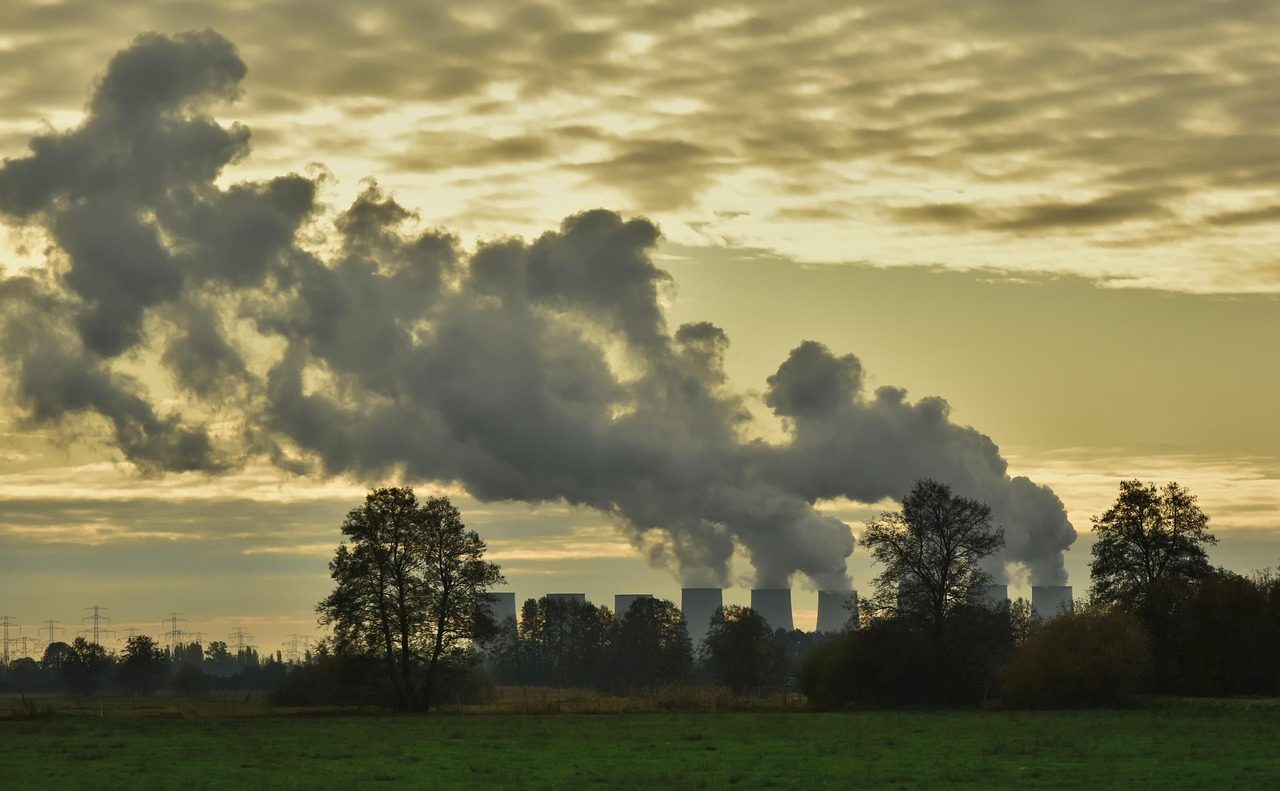
The Right to Clean Air Platform (THHP) and the Canadian Association of Physicians for the Environment (CAPE), at a press conference they organized with the support of the Global Climate and Health Alliance (GCHA), called on the COP31 presidencies to prioritize public health in all decisions to be taken at the summit. Climate and health experts from Turkey, the host of the summit, and Australia, which holds the presidency of the negotiations, asked both countries to factor health impacts into their fossil fuel policies and to take concrete steps in their own countries.
At the meeting it was stated that air pollution caused by fossil fuels leads to 2.73 million deaths a year. Turkey produced about 35 percent of its electricity from coal in 2024; Australia is among the world's leading coal and natural gas exporters.
As a first concrete step, the experts demanded that Turkey and Australia advance the Roadmap for Moving Away from Fossil Fuels (TAFF), which Brazil launched at COP30, by putting public health at its center. The moderator of the meeting, CAPE Director of Health and Economic Policy Dr. Leah Temper, said that health has not come onto the agenda in the roadmap discussions to date: "Moving away from fossil fuels is one of the greatest opportunities to improve public health in the 21st century." Temper added that as pollution decreases, health spending could fall and millions of lives could be saved.
According to the Lancet Countdown's 2026 report, in 77 countries that have reduced air pollution since 2016, about 323,000 deaths a year could be prevented. According to the same report, net fossil fuel subsidies have doubled since 2016 and total subsidies since the Paris Agreement have reached 6.2 trillion dollars.
According to a report by THHP and the Centre for Research on Energy and Clean Air (CREA), fine particulate matter (PM2.5) pollution from fossil fuels was a factor in about 26,500 premature deaths in Turkey in 2024. The study linked about 8,000 premature births, 8,200 low-birth-weight births, 5,100 new childhood asthma cases and 6,500 asthma-related emergency department visits that year to this pollution.
THHP Executive Board Member Prof. Dr. Gamze Varol said they calculated the annual health-related economic cost at about 55 billion dollars: "This amount corresponds to 4.1 percent of Turkey's 2024 GDP." She added that the health costs of fossil fuels can be calculated in every country.
Australian Climate and Health Alliance Executive Director Michelle Isles stressed that exposure to benzene and other volatile organic compounds during natural gas production and processing creates health risks, and that the risks posed by extreme heat, floods and storms also cross Australia's borders. Our Common Air Commission member and former Brazilian Environment Minister Izabella Teixeira stated that moving away from fossil fuels is indispensable for combating climate change and protecting public health. Canadian Senate Senator for Québec (Bedford) Rosa Galvez said, "Every financing decision is also a health decision."
UN Special Rapporteur on Human Rights and Climate Change Elisa Morgera said that the extraction, processing, transport and consumption of fossil fuels undermine the right to health, and that plastics, fertilizers and pesticides derived from these fuels pollute the soil and the oceans.
Sources — how we know this
- PrimaryDiken