This story is currently available in Englisch only — a translation isn't ready yet.
Coroner warns Aneurin Bevan health board over observation failures after man's death
Senior coroner for Gwent Caroline Saunders found delays in NEWS observations were 'a gross failure in care' but said more frequent checks would not have changed the outcome.
ℹ️ Browser-Stimme · KI-Studiostimme bald verfügbar
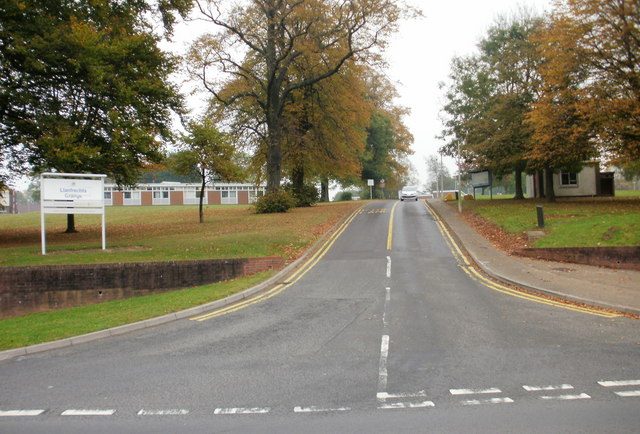
A coroner has issued a prevention of future deaths report to Aneurin Bevan University Health Board over the care of a 78-year-old man who died at Grange University Hospital in Cwmbran after two days of excessive vomiting.
Brynley John Hurford was admitted to the hospital in Llanfrechfa, Cwmbran, on October 28 last year. His observations, blood tests and X-rays were normal, and on balance it was determined he was suffering from constipation contributed to by gastroenteritis. Steps were taken to rehydrate him, and the following day, October 29, he was medically fit for discharge.
At 6.49pm his condition deteriorated and his National Early Warning Score (NEWS) was at six. It continued to rise to 12 and remained elevated for the rest of the night. He died at 2.28am on October 30. A postmortem examination concluded he had sustained a perforated oesophagus which on balance was due to excessive vomiting, described as a "rare and unpredictable event and, in the circumstances, unforeseeable".
Senior coroner for Gwent Caroline Saunders returned a conclusion of natural causes but said evidence heard during the inquest gave rise to concern. In her report to the health board she wrote that from 6.49pm, when the NEWS was six, the algorithm dictated that observations should have been repeated every 30 minutes, but they were not repeated in line with the algorithm and there was over an hour between each set of observations.
She said it was suggested at the inquest that this could have been due to staff pressures, and she determined that delays in observations in such an obviously unwell patient, when the diagnosis was unknown, was "a gross failure in care". She also determined that in this instance more regular observations would not have altered the outcome. She said she was concerned that failing to adhere to the national observation policy may put future lives at risk.
The health board said it acknowledged the coroner's concern regarding non-compliance with the required NEWS observation frequency requirements, and accepted that observations were not undertaken in accordance with the NEWS escalation algorithm. It listed actions taken in the acute medical unit, including implementation of NEWS2, which was rolled out to all staff on the unit in September 2025 and after which compliance was at 97%, reinforced NEWS2 education and training, incorporation of NEWS2 checks into the nurse in charge checklist, a dedicated practice educator, and learning-from-incidents study days for unit staff.
Sources — how we know this
- PrimaryWalesOnline