This story is currently available in Englisch only — a translation isn't ready yet.
Dobrindt pitches Rwanda return hub to four EU states as SPD blocks funding
Interior ministers from Austria, Greece, Denmark and the Netherlands hear Berlin's plan for a 20 million euro pilot; the SPD says it will not release the money.
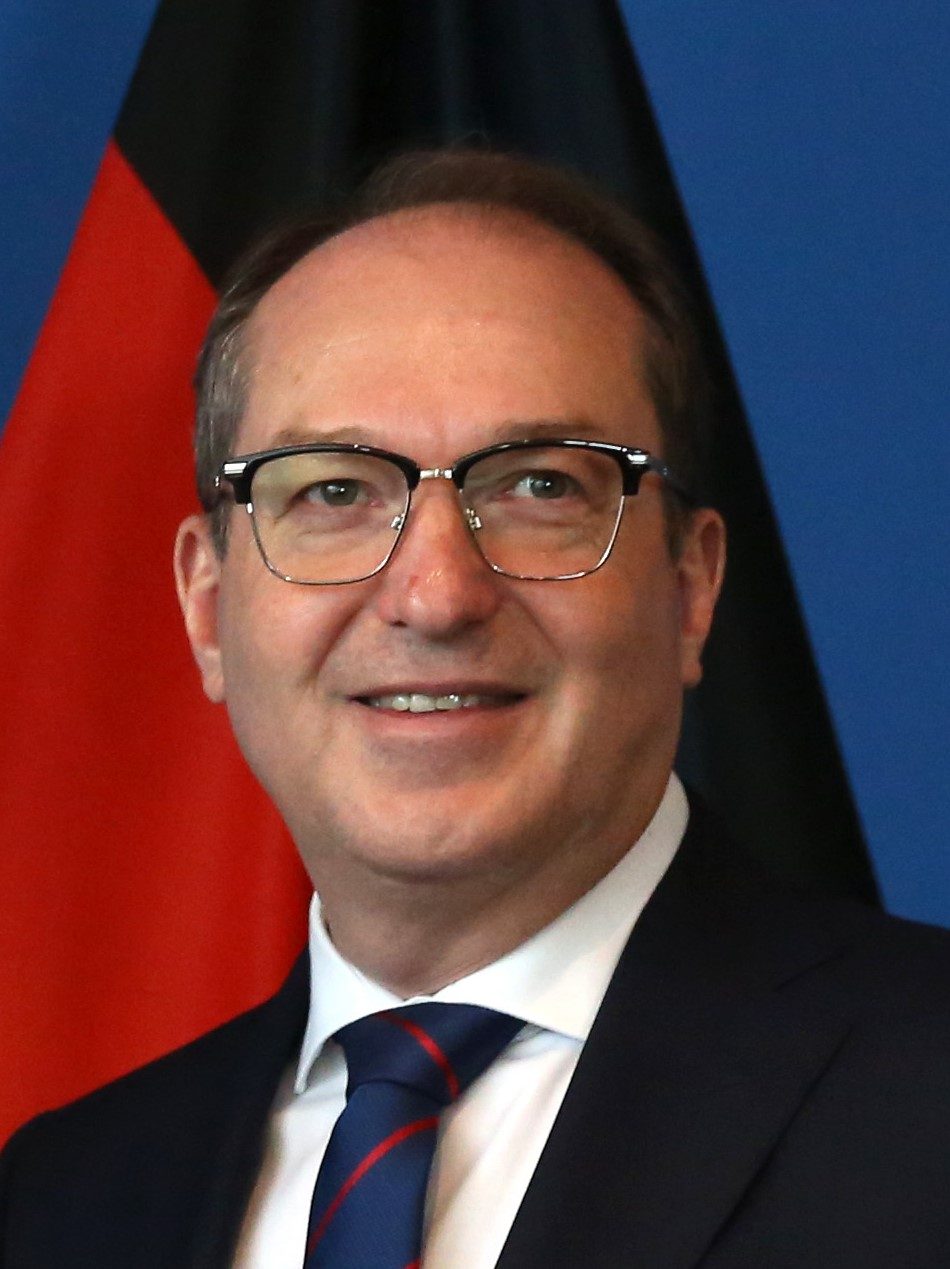
German Interior Minister Alexander Dobrindt presented plans for a deportation centre in Rwanda to counterparts from Austria, Greece, Denmark and the Netherlands in Vienna on Monday, the first so-called Return Hub the five states would set up outside the European Union.
The centres would take people whose asylum applications were finally rejected in an EU member state but who cannot be returned to their countries of origin. Experts put the number concerned Europe-wide at a few hundred people.
A spokesman for the German interior ministry said in Berlin that Germany was negotiating with four other European states with the European Commission involved, and that talks were under way with several partner states. Deputy government spokesman Sebastian Hille said: "Es ist ein frühes Stadium." The government did not confirm the choice of Rwanda, and the ministry declined to set out in advance what the Vienna meeting might produce.
Dobrindt has entered 20 million euros for the pilot project in the 2027 federal budget. SPD interior spokesman Sebastian Fiedler said that if roughly 40 places for Germany were on the table for that sum, the minister must first show in how many cases the model would actually make the obligation to leave enforceable. "Anderenfalls könnten wir die 20 Millionen Euro an anderen Stellen sinnstiftender verwenden," he said.
Fiedler said the SPD would not release the money until those questions were answered, including how cooperation with the UN refugee agency UNHCR and the International Organization for Migration would be defined and who would protect those sent if the agreed conditions on the ground collapsed. The plans had not been coordinated with the SPD, he said; MPs Rasha Nasr and Hakan Demir made the same point.
Under the ministry's design, rejected asylum seekers would first be housed in an open facility and then be able to live and work permanently in Rwanda. The country has been ruled for decades by President Paul Kagame, and the human rights situation is considered precarious, with opponents and journalists persecuted. It is unclear how the EU states would guarantee the fundamental rights of those sent, and whether the system would hold before European courts.
A Foreign Office spokesman credited Rwanda with "eine gute Bilanz im Umgang mit Migranten und Geflüchteten" and said 120,000 refugees live there. The Justice Ministry said it had not been involved in the negotiations. Dobrindt's earlier idea of outsourcing asylum procedures themselves to third countries is off the table, the interior ministry said, because the EU Return Regulation does not provide for it. Uganda is also considered a possible destination.
Sources — how we know this
- PrimaryHandelsblatt