This story is currently available in Englisch only — a translation isn't ready yet.
Ebola outbreak in DR Congo passes 5,433 deaths as response funding nears its end
Six months into the second deadliest Ebola outbreak on record, Concern Worldwide says its response money runs out in three months while cases surge in North Kivu.
ℹ️ Browser-Stimme · KI-Studiostimme bald verfügbar
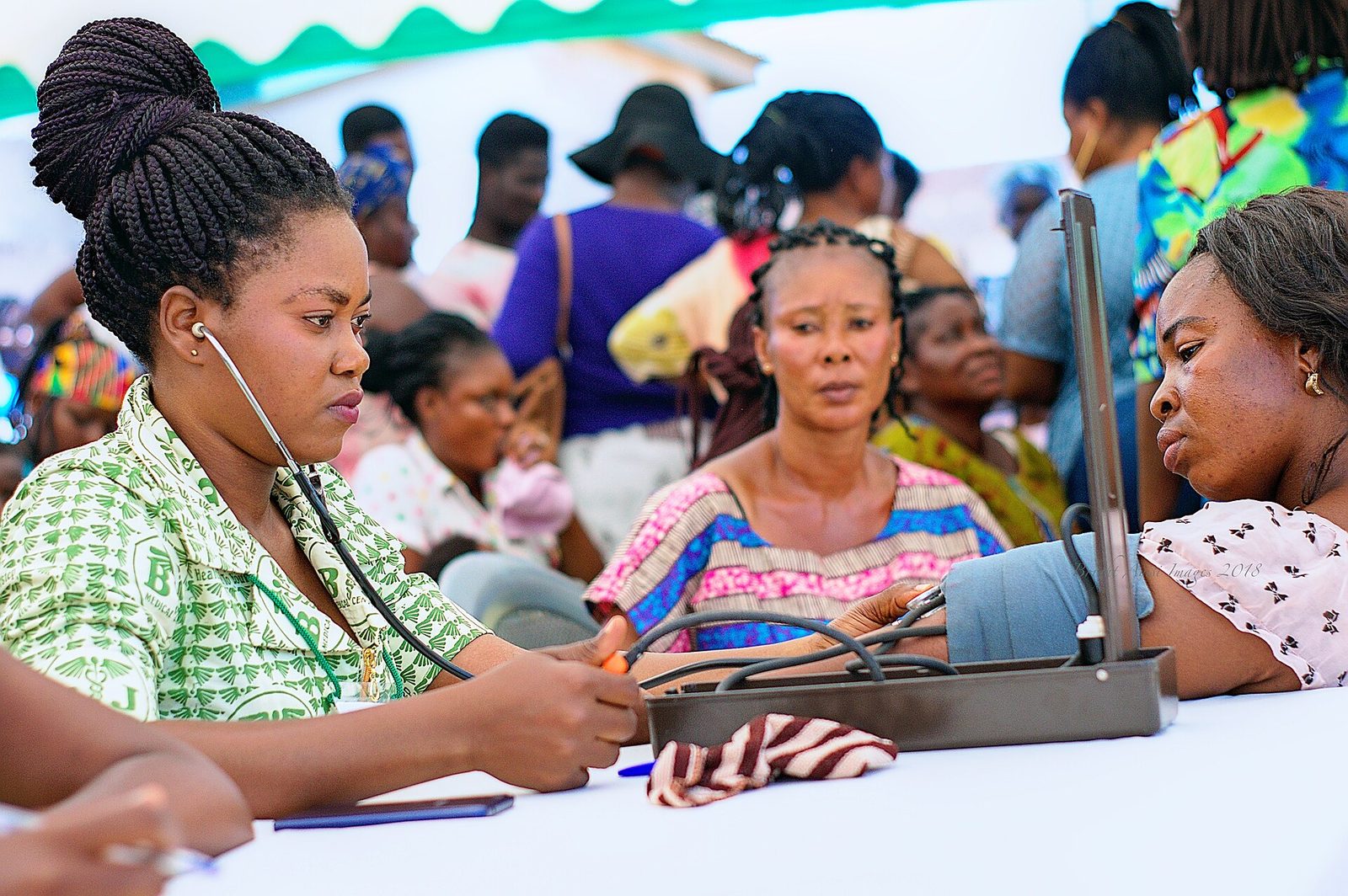
More than 5,433 people have died from Ebola in the Democratic Republic of Congo and over 11,000 cases have been confirmed in the six months since the outbreak began, making it the second deadliest ever recorded.
Nearly half of all people who contract the disease will die from it. Infections have slowed in Ituri province, the original epicentre, but are rising rapidly elsewhere. In neighbouring North Kivu, 50% of new cases in recent weeks are in one town alone, Beni, where Concern Worldwide works.
David Jones, country director for Concern in DRC, said much of the response has concentrated on the epicentre and has been "very medically focused". He said the current funding "will run out in the next three months".
"As numbers increase massively outside of the epicentre, we need a broader and more holistic response in these areas," he said.
Concern has reached over 100,000 people with Ebola awareness work, and has provided public handwashing stations and rehabilitated water sources. The virus spreads through bodily fluids.
The 2014-2016 outbreak in West Africa saw 9,792 deaths in its first year. On its current trajectory, this one looks set to surpass that toll, and it is the fastest growing Ebola outbreak in history.
Multiple conflicts in eastern DRC have displaced nearly seven million people. Health staff are targets of attacks due to mistrust and false rumours about the origins of the disease and the treatment of those who get it. Many of the people dying from Ebola are not in official health settings but in their homes, which impacts contact tracing.
Jones said organisations cannot ask people to avoid crowded areas that affect their income without offering an alternative. "We can't tell people to wash their hands and not provide the equipment," he said. Concern has been working in DRC since 1994.
Sources — how we know this
2 independent sources corroborated this
- PrimaryReliefWeb Updates
- CorroboratingReliefWeb Updates
- CorroboratingPBS NewsHour
- CorroboratingPBS NewsHour