This story is currently available in Englisch only — a translation isn't ready yet.
EU and E5 national security advisers named as Europe's team for Ukraine peace talks
European Council President Antonio Costa confirmed the negotiating lineup after two days of informal EU summitry in Dublin, even as Russia withholds full acceptance.
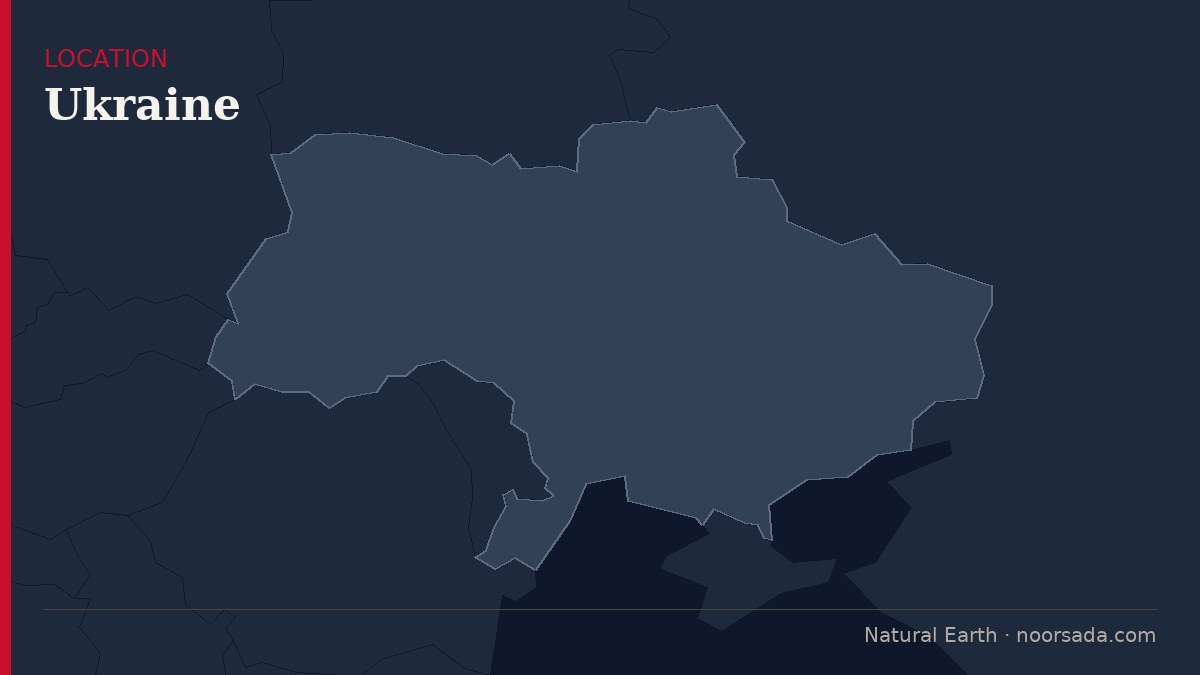
National security advisers from the EU institutions and the E5 format — France, Germany, Italy, Poland and the United Kingdom — will represent Europe in any future Russia-Ukraine peace negotiations, European leaders decided in Dublin on Friday, 13 November.
European Council President Antonio Costa confirmed the arrangement after an informal meeting of EU heads of state or government. Costa said that "Europe must speak with one clear and united voice" in discussions shaping Ukraine's future and continental security, adding that "this is ultimately a team effort."
The advisers will participate at the technical level. No leaders have yet been appointed to represent Europe politically.
The decision followed two days of meetings in Dublin and came after US envoys Steve Witkoff and Jared Kushner said on Thursday, 12 November, that President Vladimir Putin had agreed to European participation. The Kremlin qualified that position, saying it first wanted to understand Europe's "real intentions and their willingness to contribute."
EU foreign policy chief Kaja Kallas pushed back against Russian objections to her own involvement. Kallas told reporters that all member states agreed she is "the one representing Europe in foreign and security policy," and questioned whether Europe should have a say in who represents Russia.
German Chancellor Friedrich Merz rejected Kremlin demands to reopen the European security architecture. Merz said that Russia wants to discuss European security architecture questions, but "we do not need to discuss that, it already exists."
Costa set out Europe's core position: only Ukraine can decide matters concerning its territory and sovereignty; the EU should lead Ukraine's reconstruction; and security guarantees fall to the Coalition of the Willing in coordination with NATO. Costa stated that "the weeks ahead will be a decisive test" of Russia's readiness to end the war.
Irish Prime Minister Micheál Martin reflected the prevailing mood: "We don't get any sense yet that Russia is serious about peace."
Sources — how we know this
- PrimaryKyiv Post