This story is currently available in Englisch only — a translation isn't ready yet.
EU Parliament centre blocs strike deal to soften 2035 combustion-engine ban
Negotiators from the EPP, Social Democrats and Liberals agree to cut the CO2 reduction target for new cars from 100% to 95%, with a further 7.5-point concession for manufacturers using European-made green steel.
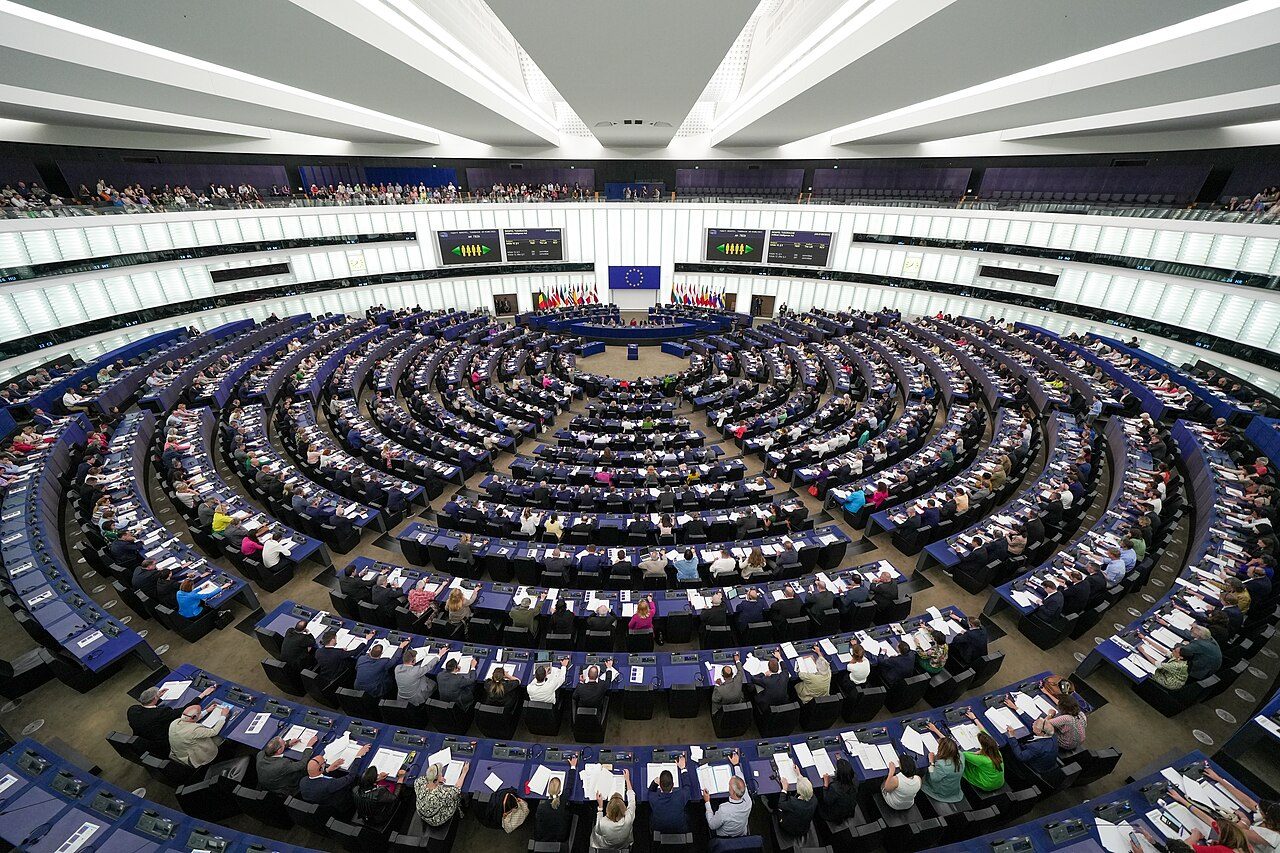
Negotiators from three centre factions in the European Parliament reached a pre-dawn agreement to weaken the bloc's 2035 ban on new petrol and diesel car sales, with a final plenary vote still to come.
Under the deal struck between the European People's Party (EPP), the Social Democrats and the Liberals, new cars would need to cut CO2 emissions by 95% compared with 2021 levels — not the 100% reduction enshrined in the existing regulation. A further 7.5 percentage points of flexibility would be available to manufacturers that install climate-friendly steel produced in Europe.
EPP leader Manfred Weber, who heads the EPP group in the European Parliament, declared that the "unsägliche Verbrenner-Aus" — the combustion-engine ban he has campaigned against for more than two years — was now "vom Tisch", off the table.
SPD MEP Tiemo Wölken, one of the Social Democrat negotiators, said the overall goal of shifting Europe to electric mobility remained intact. "At the same time, manufacturers receive more flexibility in difficult times," he said, adding that hybrids would remain an option during a transition phase, subject to requirements on electric range.
Wölken said conservatives had been talked down on their demand for a broader exemption covering vehicles fuelled exclusively by low-emission fuels. He stated that they had been able to "limit the use of biofuels and thereby draw a decisive protective line" for climate and nature.
Greens MEP Michael Bloss warned the compromise would produce "chaos instead of planning certainty", arguing that any factory not converting to electric vehicles today would be on unstable ground tomorrow. Bloss added that the deal risked weakening electric vehicle technology at a moment when EV sales are growing.
The agreement followed a Franco-German bilateral paper finalised the previous Friday, in which France dropped its opposition to softening the combustion-engine rules. Germany's support for the joint paper gave new momentum to the parliamentary negotiations.
Sources — how we know this
- PrimaryTagesschau