This story is currently available in Englisch only — a translation isn't ready yet.
Fitch Revises Uzbekneftegaz Rating Outlook to Positive
The agency affirmed the BB rating and noted an improvement in the credit profile following a twofold increase in gas tariffs in 2026
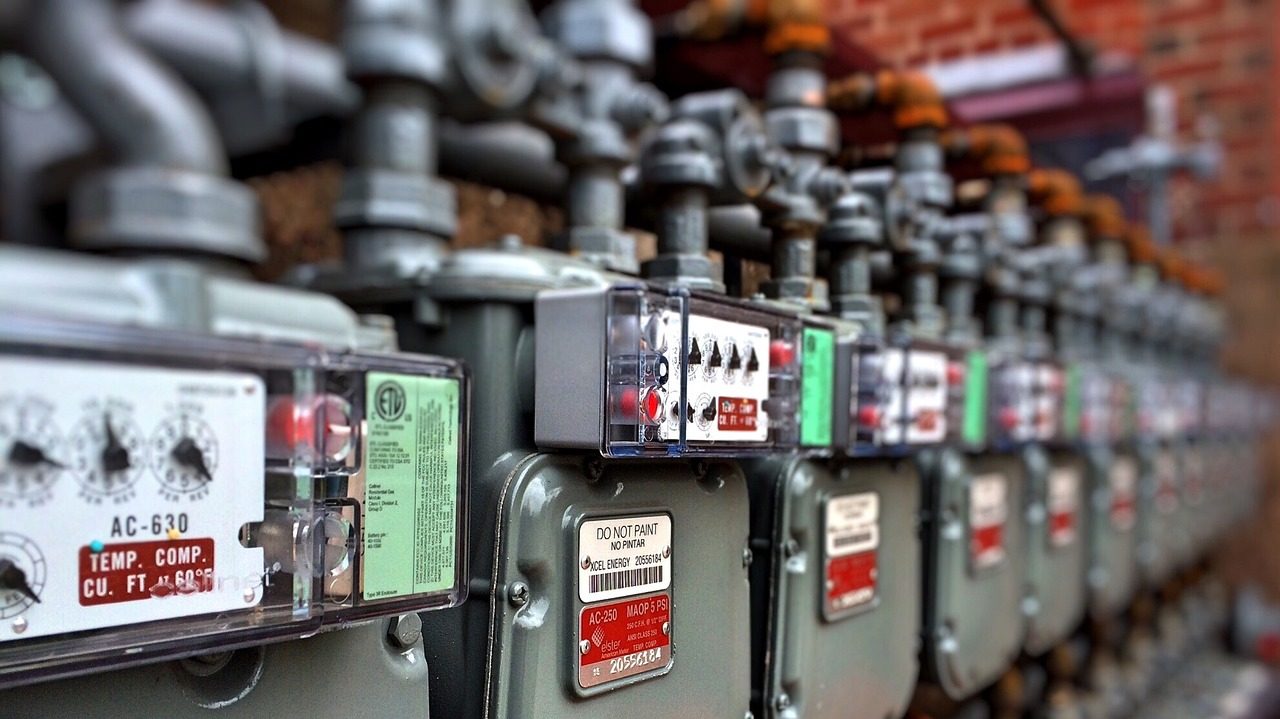
Fitch Ratings on 16 November changed the outlook on Uzbekneftegaz's long-term rating from "stable" to "positive", affirming the rating itself at BB. The senior unsecured debt rating was also affirmed at BB, and the recovery rating was set at RR4.
The reason for the revision was the improvement of the company's standalone credit profile from b to b+. Fitch links this to stronger leverage metrics after the increase in regulated natural gas tariffs in 2024-2025.
The company's rating is equalized with Uzbekistan's sovereign rating, which is also at BB with a positive outlook — this is in line with Fitch's methodology for government-related entities. The agency assesses state oversight as "very strong": the government is the sole shareholder and controls key decisions, including gas price regulation.
The price of gas sold by UzGasTrade was raised twice, with total growth of 67% — to 82 dollars per 1,000 cubic meters. Natural gas sales generate about 22% of Uzbekneftegaz's revenue in 2026. Fitch expects a further transition to market-based pricing and a gradual liberalization of the wholesale gas market by 2028. Net debt to EBITDA, according to the agency's forecast, will remain in the 3-4x range over the next four years.
State guarantees covered 29% of consolidated debt at the end of September 2026 versus 37% at the end of June 2025. Fitch also takes into account tax exemptions, the liberalization of petroleum product prices, and the company's exemption from paying dividends for 2025 and 2026.
At the same time, gas production continues to fall: 25.2 bcm in 2025 versus 33.9 bcm in 2021. Management forecasts a decline to 22.8 bcm in 2026; 17 bcm was produced in the nine months. About 10% of fields account for roughly 70% of production; the decline is linked to the depletion of key assets. The company works with a number of international oil and gas companies; management expects production growth of 4% in 2027, while Fitch assumes a stable level of about 23 bcm.
A separate factor is the possible privatization of the GTL plant, envisaged by a presidential decree of April 2025. In 2025 the plant accounted for about a quarter of Uzbekneftegaz's EBITDA and roughly 40% of gross debt. Fitch believes that removing the plant's cash flows and debt from consolidated reporting is likely not to change the company's standalone credit profile.
At the end of June 2026, Uzbekneftegaz held 6.9 trillion sums in cash against short-term borrowings of 8.6 trillion sums. The agency notes a continued dependence on refinancing amid stable access to financing from domestic and international banks. Fitch estimates average capital expenditures in 2026-2030 at 12.2 trillion sums per year.
A downgrade is possible in the event of a sovereign downgrade, a sustained excess of net debt to EBITDA above 4x, a deterioration of the business profile due to privatization of the GTL plant without a compensating improvement in financial metrics, or a significant weakening of liquidity. An upgrade — in the event of a sovereign upgrade or a sustained reduction of the metric below 3x.
Sources — how we know this
2 independent sources corroborated this
- PrimaryUzDaily
- CorroboratingTrend News Agency
Energy Portfolio
Check your broker for the latest on energy stocks.
View Now →