This story is currently available in Englisch only — a translation isn't ready yet.
German economy returns to 1.3% growth forecast as machinery sector cuts 15,000 jobs a month
Chancellor Friedrich Merz calls the Council of Economic Experts' autumn report 'encouraging signals' while the VDMA says its sector is cutting 15,000 jobs a month.
ℹ️ Browser-Stimme · KI-Studiostimme bald verfügbar
Germany's Council of Economic Experts forecast growth of 1.3% for 2026 and 1% for 2027 in its autumn report, an upgrade on the council's more pessimistic projections earlier this year.
Monika Schnitzer, chair of the expert advisory board, said the German economy had recovered quicker than expected from the energy price shock sparked by the war in Ukraine, with a significant recovery driven by surprisingly strong exports and high government spending.
Chancellor Friedrich Merz, who celebrated his 71st birthday on November 11, called the figures "encouraging signals". "The economy in Germany is slowly on the rise again," he said. He said that, considering the many crises in Germany, "it was not totally expected that we would manage that."
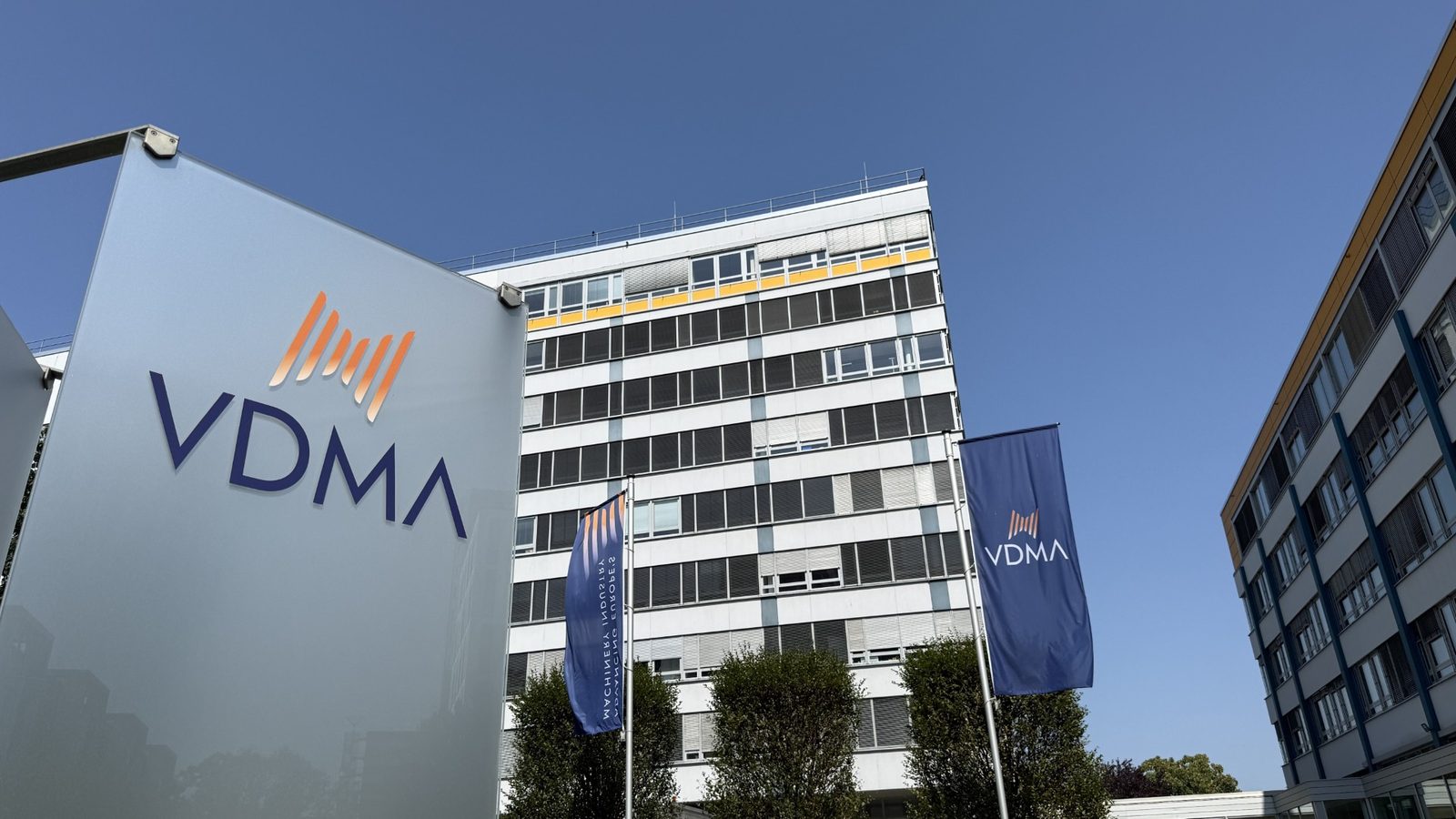
The mood in German industry was different. At the 2026 Mechanical Engineering Summit in Berlin on Tuesday, VDMA president Bertram Kawlath said the sector was "stunned by the whitewashing in so many government statements". He criticised the federal government's infighting and lack of reform, along with what companies consider a continued high bureaucracy and tax burden. The mechanical and plant engineering sector once employed more than a million people; now 15,000 positions are being cut every month, and production has shrunk about 20% since 2018.
Schnitzer said the improved prospects do not change the long-term problems. An ageing society means the bills for pensions and health care keep rising, while the number of working-age people who finance these services sinks. According to Berlin's financial planning, social welfare costs, defense and interest on debt will account for 80% of the spending in the federal government's budget.
The government is in final deliberations over its 2027 budget, with spending upwards of €555 billion planned. Revenue will not cover it, so the government plans to take on more than €118 billion in new debt. Adding the debt-financed special funds for infrastructure and the military, the new borrowing adds up to almost €204 billion.
The experts warned that the debt-to-GDP ratio could rise to 100% by 2040. At the end of 2025, it was 63.5%. Germany is the only country of the world's leading democratic industrialized nations (G7) to still hold a AAA rating. "I want it to stay that way," Merz said.
Schnitzer said a reduction in debt-based financing presents policymakers with "a consolidation task of historic proportions". The experts recommended reducing environmentally harmful tax benefits such as energy tax breaks for diesel fuel, and revoking the "mothers' pension". Tax increases could become necessary in the medium term, for example with value-added tax.
Sources — how we know this
- PrimaryDeutsche Welle (EN)