This story is currently available in Englisch only — a translation isn't ready yet.
Hundreds of thousands expected in Prague over Czech bill to cut public broadcaster funding by 15%
PM Babiš's coalition fast-tracked the first reading of media reform legislation at 4:36 a.m. on 24 October; critics warn it destroys editorial independence.
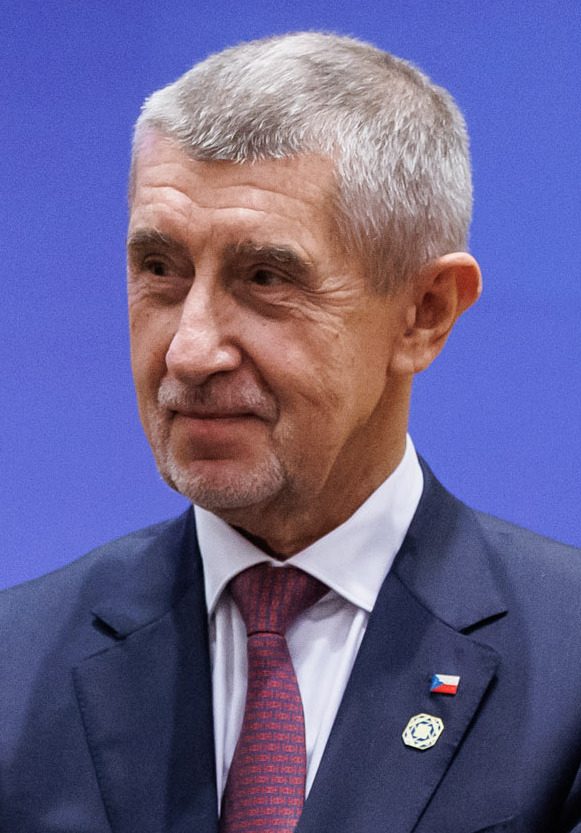
Hundreds of thousands of people are expected to rally in Prague's Letná park on Sunday to protest a bill that would strip the licence-fee funding model from Czech Television and Czech Radio and replace it with direct state budget allocations.
Prime Minister Andrej Babiš's right-populist coalition — comprising his centrist ANO party, the far-right SPD and the radical conservative Motorists — fast-tracked the first of three readings of the legislation, culminating in a vote of approval at 4:36 a.m. on 24 October.
Under the proposal, funding for Czech Television and Czech Radio would be cut by around 15% in the first year. Both broadcasters have warned the reduced budget will mean programming cuts and staff cuts.
Civil society group Million Moments for Democracy, which is organising Sunday's rally, brought an estimated 300,000 onto the streets to protest during Babiš's first term in 2019 and more than 200,000 earlier this year.
Opposition parties and international watchdogs accuse the government of seeking to undermine editorial independence. Political scientist Otto Eibl of Masaryk University said "the confrontational approach, the attempts to limit parliamentary debate" have contributed to public backlash, along with the government's rhetoric towards journalists and critics.
Babiš has since said a new proposal guaranteeing editorial independence and moving funding off-budget would be drawn up for open debate, but critics note a lack of detail. Million Moments for Democracy said: "Words are worth nothing."
The government holds the parliamentary majority needed to pass the bill and defeat likely vetoes from the Senate and President Petr Pavel. Polls suggest political support for the government has weakened since the bill was introduced.
Sources — how we know this
- PrimaryDeutsche Welle (EN)