This story is currently available in Englisch only — a translation isn't ready yet.
Iran bars IAEA from war-damaged nuclear sites until conflict 'permanently ended'
Deputy Foreign Minister Kazem Gharibabadi says inspectors will not reach Natanz, Fordow or Isfahan; a tanker was struck in the Strait of Hormuz.
ℹ️ Browser-Stimme · KI-Studiostimme bald verfügbar
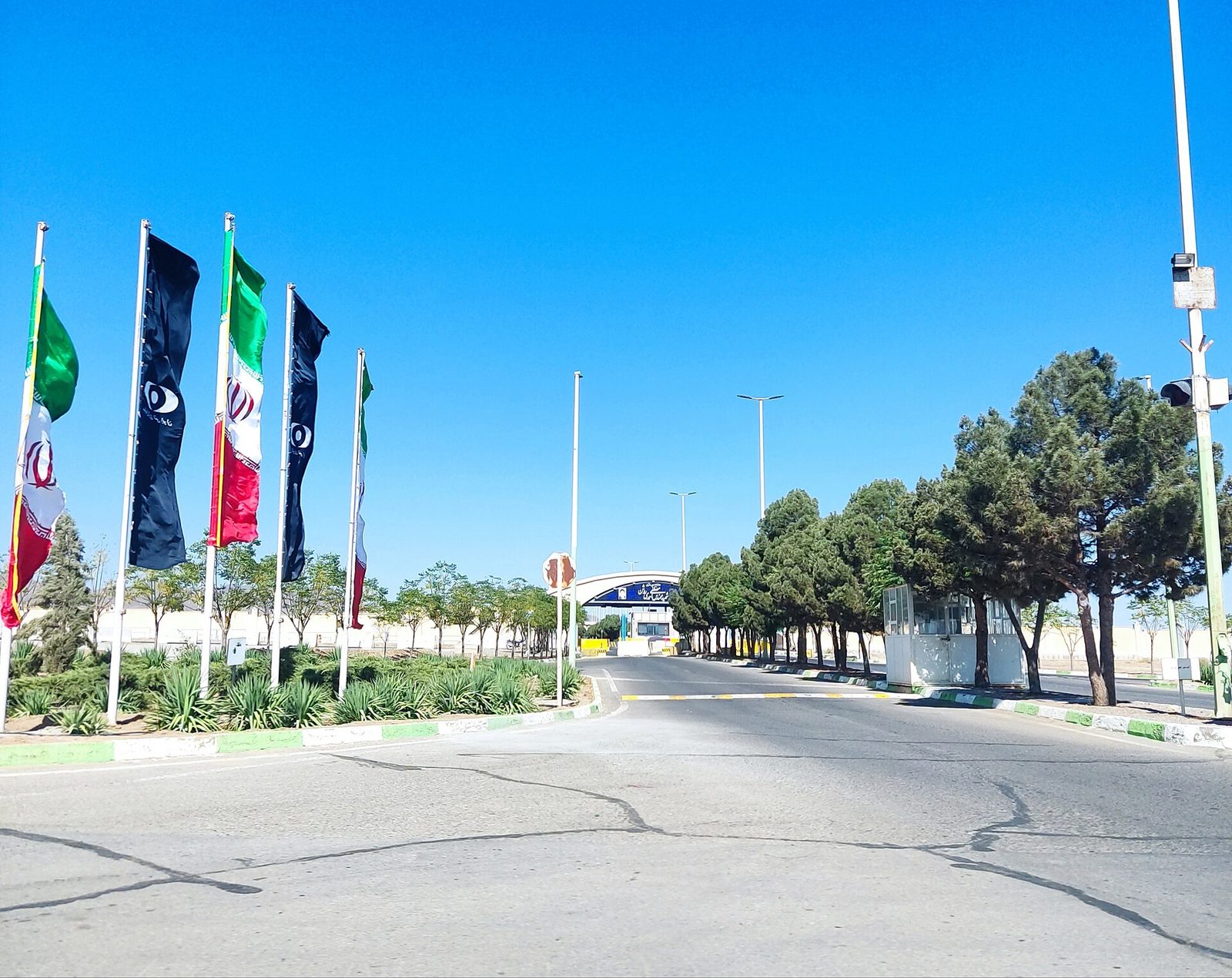
Iran will not allow the International Atomic Energy Agency to inspect nuclear sites damaged in the war with the United States until the war has "permanently ended," Deputy Foreign Minister Kazem Gharibabadi said in a televised interview late Sunday.
"We will not grant the IAEA access to the facilities until Iran's conditions are met and the war has permanently ended," Gharibabadi said. He said the agency's request to inspect damaged facilities was "likely aimed at assessing the effectiveness of American weaponry."
The remarks came after the IAEA urged Tehran to take steps toward resuming inspections, which have been partly suspended since last year. IAEA inspectors visited Bushehr nuclear power plant in September but have not gained access to other sites targeted by the U.S., including Natanz, Fordow and Isfahan.
The U.K. Maritime Trade Operations Center said Monday morning it had received a report of a tanker in the Strait of Hormuz being struck. "The company security officer of a tanker has reported the vessel being struck by an unknown projectile whilst transiting outbound," the alert said. It said the strike caused a fire in the engine room, that all crew were accounted for and that no casualties were reported. Iran's state broadcaster said a tanker east of the Strait of Hormuz had caught fire after hitting a naval mine, citing Tehran's navy, and said the ship was travelling through a "restricted area."
In Yemen, the Southern Armed Forces, allied with the Saudi-backed Yemeni government, said its fighters pulled out from areas along the Bab el-Mandeb Strait amid relentless attacks by the Iran-backed Houthis. It said it would now focus on securing Aden and on trying to break the Houthi siege of Taiz. Local media reported the Houthis fired two ballistic missiles on the district of Buraiqeh on Aden's western coast, and clashes were reported between the Houthis and government forces in Lahj province.
Army Maj. Stephen Ramsbottom, who survived a deadly Iranian drone attack, filed a whistleblower complaint to Congress alleging senior military officials ignored warnings and did not plan properly for anti-drone defenses. The complaint was submitted to the House and Senate Armed Services Committees on Friday. He alleges Army leaders dismissed concerns over thin fortifications at a U.S. command post in Kuwait, known as Port Shuaiba, where six American soldiers were killed by an Iranian drone in the first 24 hours of the conflict — the deadliest attack on U.S. troops in the war. The complaint claims the post "had no physician, no fixed aid station, and only one ambulance."
"I feel this is a tactical failure by the Army, our leadership, and myself - all the way down to my level," Maj. Ramsbottom said. "We just did not plan this well, and this needs to be a lesson that we learn."
Defense Secretary Pete Hegseth insisted the day after the attack, at a press conference, that the troops there were well-protected.
Sources — how we know this
2 independent sources corroborated this
- PrimaryCBS News
- CorroboratingAsharq Al-Awsat (EN)