Developing✓ 1 sourcesEditorialDeveloping
This story is currently available in Englisch only — a translation isn't ready yet.
Iran delays response to US ceasefire proposal as Gulf tensions persist
Tehran questions US negotiating seriousness while withholding answer to diplomatic initiative following renewed naval clashes in strategic waters.
Tempo:
PD
Pierre Dubois
· 2 min read
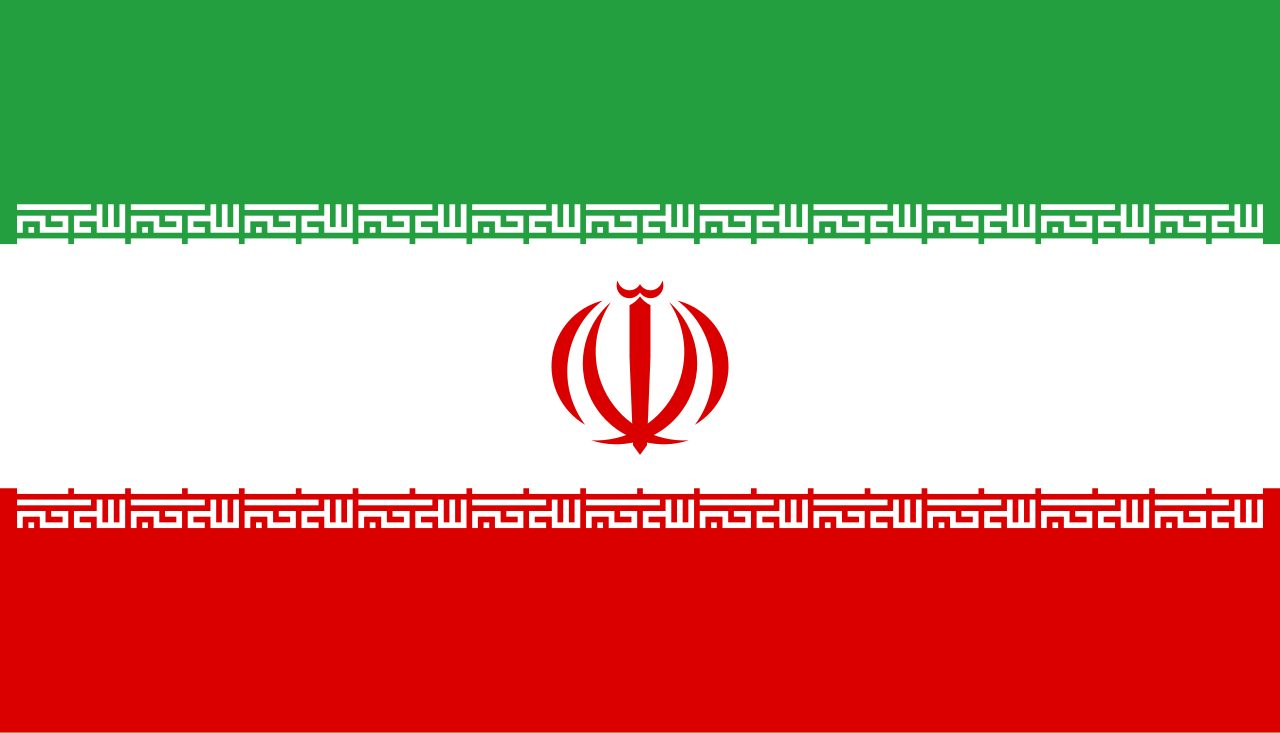
Iran is keeping the United States waiting for a formal response to Washington's latest ceasefire proposal, according to Iranian officials Saturday, while simultaneously questioning the seriousness of American diplomacy.
The delay follows renewed naval clashes in the Persian Gulf, marking an escalation in military tensions between the two nations. Iran's measured response suggests deep skepticism about US negotiating intentions, according to diplomatic sources monitoring the standoff.
The ceasefire plan, presented by Washington, represents one of several recent diplomatic overtures aimed at de-escalating regional tensions. However, Tehran's hesitation to commit signals ongoing disputes over core issues including sanctions relief and regional security arrangements.
The withholding of Iran's response prolongs uncertainty in one of the world's most strategically critical shipping lanes. Renewed military incidents underscore the fragility of unofficial agreements and the absence of direct diplomatic channels between Washington and Tehran.
Sources — how we know this
- PrimaryFrance 24 (EN)