This story is currently available in Englisch only — a translation isn't ready yet.
Israel's Eisenkot formally tasked with forming government, warns of 'point of no return'
President Herzog gave opposition leader and former military chief Gadi Eisenkot 28 days to build a coalition after his bloc won 48 seats against Netanyahu's 53.
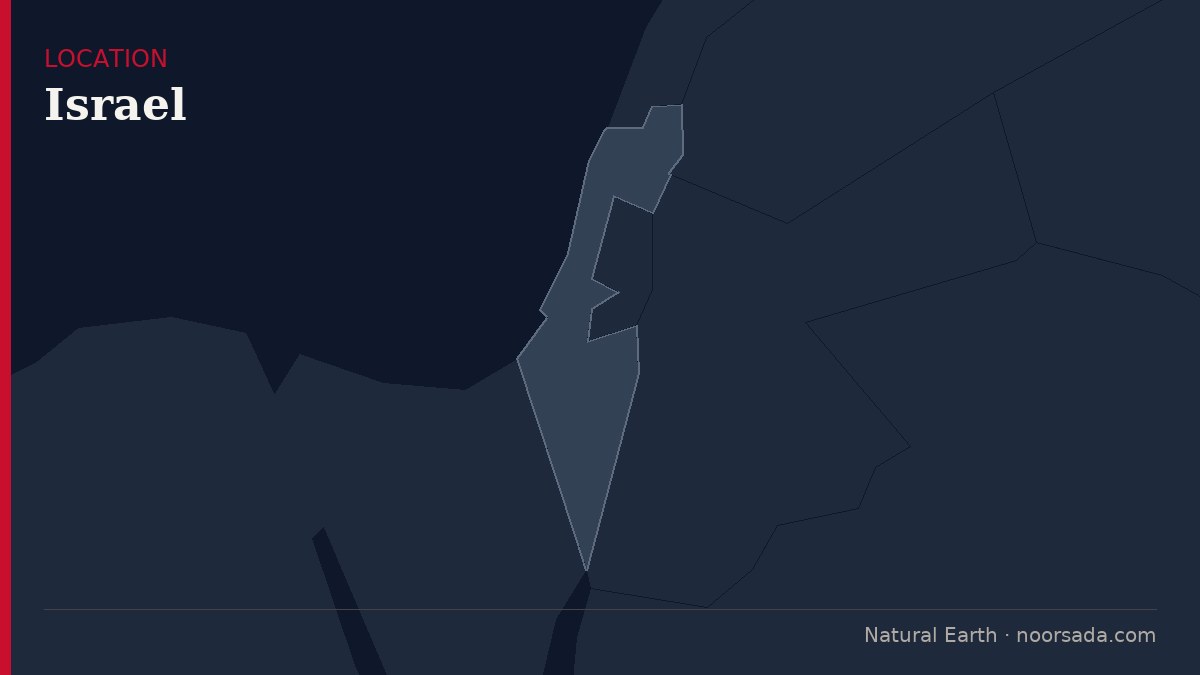
Israeli President Izchak Herzog formally tasked opposition leader Gadi Eisenkot with forming a government at the presidential residence in Jerusalem, opening a 28-day window for the 66-year-old former military chief to assemble a coalition.
"The State of Israel needs a stable government," Herzog said at the ceremony. Eisenkot, whose centrist Yashar party finished behind Benjamin Netanyahu's Likud in the parliamentary election, warned that Israel was approaching a critical juncture. He said Israel was "in a state of emergency and approaching a point of no return," calling for the formation of a national emergency government through "creative and unconventional political steps." He pledged to represent all parts of society and work to ensure that Israel "reaches safe shores again and returns to mental health," extending an open hand to all parties: "My door is open."
Eisenkot's opposition bloc holds 48 seats; Netanyahu's bloc, which includes ultra-Orthodox parties, holds 53. The opposition falls 13 seats short of the 61-seat majority required to govern. Sixty-seven of the 120 Knesset members recommended Eisenkot during presidential consultations — the most of any candidate — a margin that reflects support extending beyond his bloc. The two Arab lists, Unified List and Raam, together hold 19 mandates.
Several coalition paths exist, each carrying political costs. Eisenkot could seek support from the Arab parties to form a minority government or have them tolerate one — an option that faces resistance within his own camp. A second route would combine the opposition bloc with the ultra-Orthodox parties Shas and United Torah Judaism (UTJ), though Shas backed Netanyahu in consultations and UTJ abstained from recommending any candidate. A grand coalition with Likud is also arithmetically possible, but only without Netanyahu at its head — an outcome that remains entirely open.
If Eisenkot fails within 28 days, Herzog may grant him a 14-day extension. Should that also fail, the mandate passes to another parliamentarian; Netanyahu is then regarded as the likely candidate. Israel held five elections between 2019 and 2022 due to repeated parliamentary deadlocks.
Sources — how we know this
2 independent sources corroborated this
- PrimaryTagesschau
- CorroboratingDeutsche Welle (EN)