LifestyleOpinion
This story is currently available in Englisch only — a translation isn't ready yet.
Nuclear Concern, Summit Ambiguity, and Other Weekend Hobbies
From Zaporizhzhia's fuel trucks to Lagarde's Normandy mystery tour — the week's finest absurdities, arranged.
Tempo:
VS
Viktor Shpak
· 2 min read
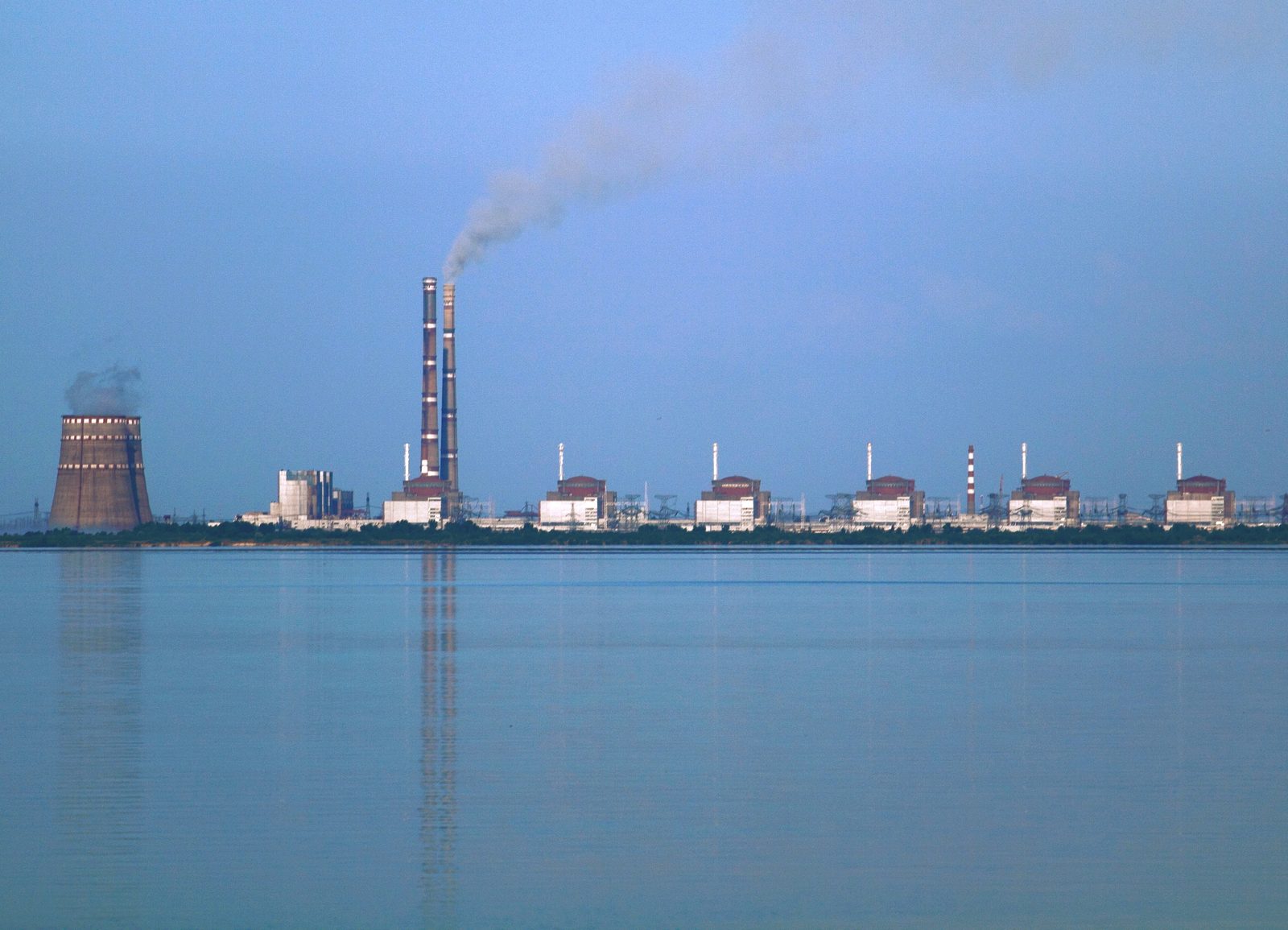
Item 1: ROSATOM DISCOVERS IRONY AT EUROPE'S LARGEST NUCLEAR PLANT
Russia seized the Zaporizhzhia nuclear plant in the early weeks of its invasion and has operated it under military occupation ever since. This week, Rosatom's chief told the IAEA that Ukraine attacked fuel trucks near the facility and must be condemned for endangering nuclear safety. The occupying force is now the safety monitor, which is the kind of career pivot that looks better on a press release than a résumé.
Item 2: THE KREMLIN CHECKS ITS CALENDAR, FINDS NOTHING
Donald Trump said Putin's attendance at the G20 would be 'very helpful,' and in April the Kremlin indicated the trip was possible. By this weekend, the same Kremlin announced no decision had been made — and, as a bonus, dismissed Zelensky's proposal for a meeting as though it were a flyer left under the windshield wiper. The art of keeping every door technically open while walking through none of them is, at minimum, an aerobic achievement.
Item 3: MODI AND XI OFFER TO MEDIATE A WAR NEITHER STARTED
According to the Kremlin's own spokesman, both Indian Prime Minister Modi and Chinese President Xi offered to help settle the war in Ukraine, and Putin 'provided a detailed account of the state of affairs.' In diplomatic language, 'a detailed account of the state of affairs' from the party that started the war is called a briefing. From the outside, it looks more like a hostage situation where the hostage-taker explains at length why he is, in fact, the victim. Xi also used the occasion to announce that China seeks to strengthen the Global South's unity and independence — goals that, notably, require no ceasefire to pursue.
Item 4: LAGARDE GOES TO NORMANDY, DECLINES TO EXPLAIN HERSELF
The ECB President was spotted in Normandy this week, prompting weeks of mounting speculation about whether she is preparing an early departure from Frankfurt and positioning for the French presidential race. Her office responded to none of this with anything resembling clarity. The woman who sets the borrowing cost for three hundred and fifty million Europeans has, apparently, mastered the French art of being simultaneously visible and unavailable — which, depending on your politics, is either very presidential or already indistinguishable from the job she has.
Item 5: SWEDEN VOTES, EUROPE HOLDS ITS BREATH, POLLS SHRUG
NATO's newest member holds its national election today, with the latest polls describing the result as 'knife-edge' — a phrase that, by now, is doing so much work in European political journalism that it deserves its own byline. Sweden joined the alliance after decades of studied neutrality, meaning the country that spent the Cold War perfecting the art of not choosing sides is now choosing sides on a knife-edge. The symmetry is, at minimum, tidy.
One genuine note: somewhere between the fuel-truck accusations and the G20 diary management, nine people were killed and dozens injured in Russian strikes on Ukraine this week. The absurdity roundup exists because naming the grotesque plainly is sometimes the only language that doesn't look away.