This story is currently available in Englisch only — a translation isn't ready yet.
Peers: UK 'seriously underprepared' for cyberattack and extreme weather
The Lords National Resilience Committee wants a dedicated cabinet minister within six months and warns limited food and medicine stockpiles leave Britain 'dangerously exposed'.
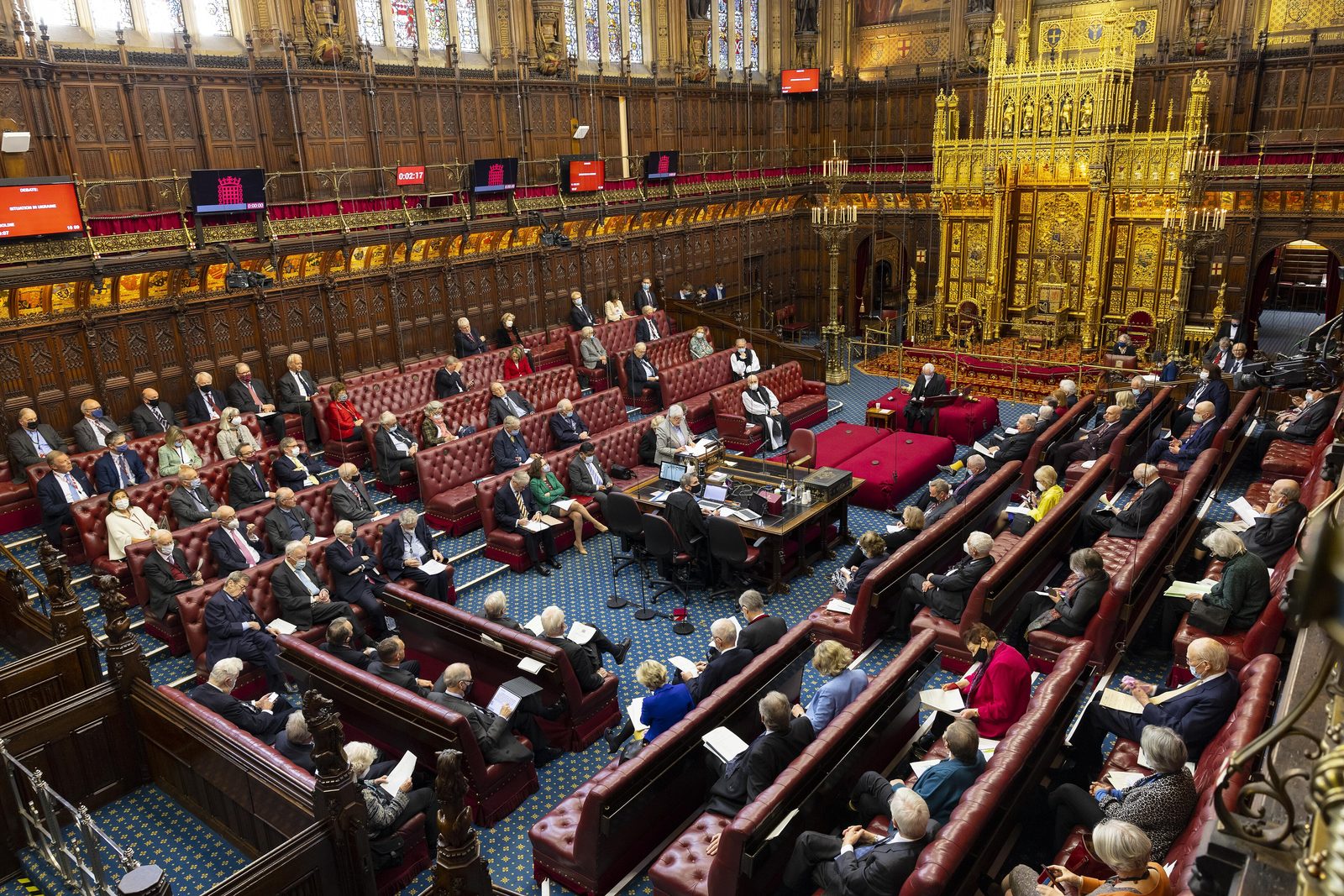
Britain is "seriously underprepared" for emergencies, cyberattacks and extreme weather, the Lords National Resilience Committee said in a report published on Monday (November 16), warning that limited stockpiles of food and medicine leave the country "dangerously exposed" to disruption in global supply chains.
The committee, chaired by crossbench peer Baroness Jean Coussins, warned of "grey zone" hostility from Russia, China and Iran in the form of possible cyberattacks, proxy acts of violence and sabotage of critical undersea cables and pipelines. It also said the UK no longer has any domestic manufacturers of antibiotics, leaving the country highly dependent on Chinese imports.
Peers urged the government to stop being "squeamish" and level with the public bluntly about the nature of threats, and said a cabinet minister should be appointed with sole responsibility for resilience within the next six months. Current arrangements lack the "seniority" needed for the task, they said.
Baroness Coussins said a cyberattack "can quickly morph into a power cut", warning that it could then lead to a shutdown of transport and empty food shelves in the shops.
The report called for eligibility for the armed forces "gap year" scheme to be expanded to include Neets – 16 to 24-year-olds not in employment, education or training – as part of efforts to increase enrolment of civilian volunteers and reservists. It argued the plan to switch off digital terrestrial television should be scrapped because it would weaken universal access to communication in an emergency.
Private and public sector companies and services should face a statutory duty to conduct "routine stress-testing exercises", the committee said, and water companies should be required to demonstrate they can maintain emergency supplies and distribution during prolonged outages. Resilience skills, critical thinking and information literacy should be taught in schools, further education and workplaces.
On medicines, the peers acknowledged that an eight-week "buffer stock" requirement for certain medicines mandated by the Department of Health offered "important" protections, but said ministers should look at whether this provides "sufficient coverage" of products "critical to national resilience, including during prolonged disruption". They called for investment in domestic production capacity for essential medicines and pharmaceutical ingredients.
The report welcomed the government's "Be Ready" campaign, which saw ministers urge Brits to stockpile days' worth of food and water for crisis situations, but said politicians and officials should "trust the public and take them into their confidence" by sharing more information about challenges the country could face.
A Cabinet Office spokesperson said the government would "carefully review" the report, citing a national campaign on everyday emergencies, "the largest home defence exercise in recent history next year", and "over £1 billion in pandemic security". The spokesperson said resilience was top of the security minister's agenda when he met allies aboard HMS Prince of Wales in Oslo last week.
Sources — how we know this
2 independent sources corroborated this
- PrimaryEvening Standard — UK
- CorroboratingBelfast Telegraph