This story is currently available in Englisch only — a translation isn't ready yet.
The Abu Dhabi Delegation List Is the Message
Moscow is sending a General Staff planner and an arms-control deputy to a ceasefire meeting. Read the names and you read the terms.

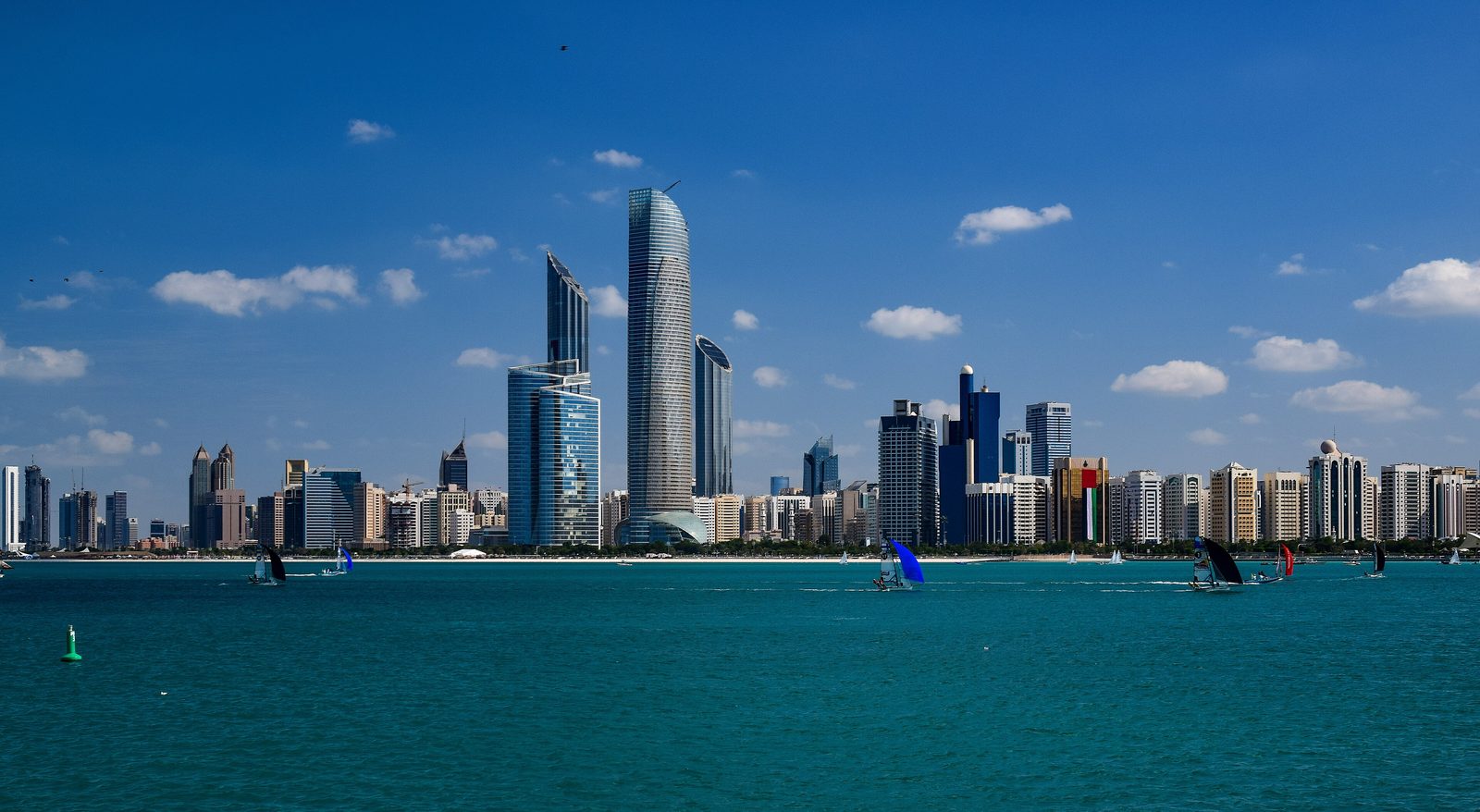
Moscow has decided that the people flying to Abu Dhabi on Tuesday should include a deputy chief of the Main Operational Directorate of the General Staff. That is the office that draws the arrows on the maps. It is an unusual thing to pack into a suitcase labelled «peace talks», and the choice is the single most informative fact about this week.
The trilateral meeting on 10–11 November is the first such session since February, when American-mediated diplomacy was interrupted by the war the United States and Israel launched against Iran. Kremlin aide Vladimir Medinsky again leads the Russian side. New to the delegation is Deputy Foreign Minister Sergei Ryabkov, whose portfolio is the Americas, arms control, non-proliferation and the Iran file. Also present: Deputy Foreign Minister Mikhail Galuzin, military intelligence chief Igor Kostyukov, and the General Staff's Yury Zhigarlovsky. From Washington, Jared Kushner and Steve Witkoff. Marco Rubio, speaking before flying to the G7 foreign ministers in Paris, said he hoped «some progress» could be made. That is the vocabulary of a man managing expectations, not announcing a breakthrough.
Look at the Russian list as a budget line rather than a guest list. A General Staff operational planner at a diplomatic table tells you Moscow intends to discuss the war in the only terms it respects: the positions of units, the geometry of a ceasefire line, what the other side would be allowed to keep moving and where. Ryabkov's presence does a different job. He is the regime's professional on strategic stability and on talking to Americans about nuclear thresholds. Put the two together and the subtext becomes legible — Moscow has arrived to negotiate a military arrangement with a nuclear backdrop, not a political settlement with a military annex.
This matters because of what the delegation is not. There is no one visible from the economic bloc who could price sanctions relief. There is no figure associated with the post-war reconstruction debate inside the Russian system. The team is tilted toward the instruments Russia uses when it wants to freeze a conflict on favourable terrain, not when it wants to end one.
The European reaction tells its own story. A call this week from Finland's president and Norway's prime minister to Vladimir Putin — the first such direct engagement by sitting Nordic leaders since February 2022 — detonated across the continent. Oslo's prime minister, in remarks given before the Abu Dhabi round, cautioned publicly that Putin may not want peace and described the UAE meeting as a «stepping stone». That is a striking thing for a leader who just picked up the phone to Moscow to say on the way out of the room. It suggests the Nordic initiative was less about believing in Putin's willingness and more about inserting a European voice into a process otherwise being run between the White House and the Kremlin over Europe's head.
Because that is the second structural fact of this week. The format is trilateral — American, Russian, Ukrainian. European governments are not at the table in Abu Dhabi. They are arguing, loudly, about who among them should be at the next one, and whether engaging Putin at all rewards aggression or disciplines it. The Helsinki call surfaced a division that has been there since the first ceasefire rumours of the summer: there is no European position, only European positions. Warsaw's instinct is not Berlin's; Paris and Rome read the American envoy differently; the Nordics are themselves now split. Moscow reads these cables too.
The ground texture is worth holding in mind. A Russian winter campaign is already underway against Ukraine's energy grid, which is what «before winter sets in» actually means when American negotiators use the phrase. A ceasefire discussed in a Gulf hotel in November is a ceasefire discussed while one side is methodically degrading the other side's ability to heat apartments. That asymmetry is not incidental to the talks. It is the leverage the General Staff officer in the delegation was sent to monetise.
So what would make me revise this reading? A Russian concession on the sequencing question — agreement to a verifiable pause in strikes on civilian infrastructure ahead of, not after, territorial discussion — would suggest Moscow has decided the diplomatic track is worth something on its own terms. A European delegation formally folded into the next round would suggest Washington has concluded a deal without Europe cannot be enforced in Europe. Neither is visible in the sourcing today. Absent those signals, Abu Dhabi reads as a managed pause in which the Kremlin tests how much of a ceasefire line it can lock in while the frost does its work, and how much of Europe's confusion it can bank for later use.
The useful question for the week is therefore not whether the meeting «succeeds». It is whose clock the meeting runs on. On current evidence, the clock belongs to the man who sent a general.