EditorialVerified
This story is currently available in Arabisch only — a translation isn't ready yet.
The avocado and the checkpoint: what Michoacán tells us about the new trade grammar
Fifteen hundred Mexican soldiers move into an orchard belt because Washington paused an inspection. The lesson is not about guacamole.
Tempo:
ℹ️ Browser-Stimme · KI-Studiostimme bald verfügbar
SA
Sherif Al-Mahdi
· 3 min read
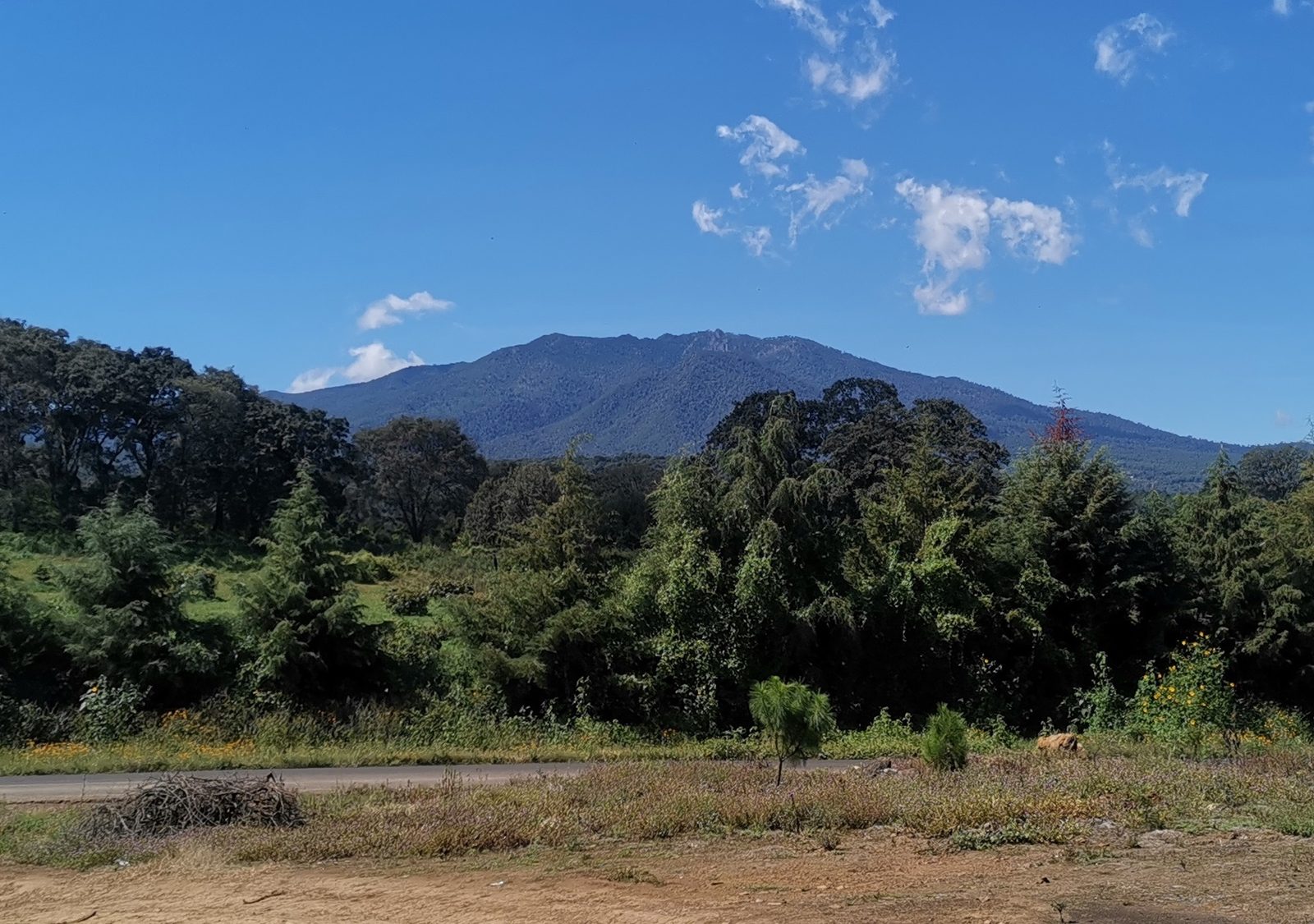
Picture the scene on a dirt road outside Uruapan this week: a soldier in fatigues standing between rows of avocado trees, rifle slung, while a picker a few meters away keeps working because the fruit does not wait for geopolitics. Mexico moved more than fifteen hundred troops into Michoacán after the United States suspended its export inspections. The image is almost pastoral until you notice the calibre.
The wire version of this story is a cartel story. Extortion of packers, threats against American inspectors, a state governor asking for federal cover. All true, all reported for years. What is new is not the violence — it is the leverage. Washington did not sanction anyone, did not raise a tariff, did not summon an ambassador. It simply withdrew a signature. Inspectors stopped stamping paperwork, and within seventy-two hours a sovereign government put an army battalion into an orchard.
That is the mechanism worth staring at. For two decades the working assumption of North American trade was that integration was the discipline — the treaty text, the tariff schedule, the dispute panel. What Michoacán shows is that the discipline has migrated into the plumbing. An inspection regime, a phytosanitary certificate, a port-of-entry protocol: these are now the instruments through which one capital tells another to deploy its own soldiers. No tariff was needed. No vote in Congress. A bureaucratic pause did the work.
The conversation in trade ministries from Rabat to Hanoi this week is exactly this: how many of our export corridors run through a single foreign signature? Egyptian citrus into European ports, Turkish steel into American buyers, Kazakh grain into Chinese terminals — each of these depends on an inspector, a certifier, a lab result issued by an office the exporting country does not control. The Michoacán deployment is a stress test that revealed the load-bearing wall was never the treaty. It was the clipboard.
For a reader in Cairo or Istanbul this is not an abstraction. If you run a small export business, your margin lives inside a certification your government cannot issue. If you are a household watching food prices, the avocado story is a preview of what happens when the plumbing of any staple — wheat, cooking oil, coffee — gets used as a policy lever. Prices move before treaties do. The Egyptian pound, the Turkish lira, the Algerian dinar all price in trade friction with a lag; the friction itself now arrives faster than the currency can adjust. A family planning a school year around imported goods should assume that at least once in the next twelve months, something on the shelf will be missing not because of a war or a drought but because two ministries in two capitals could not agree on a stamp.
There is a second layer, harder to prove but worth naming as hypothesis rather than fact: the Mexican deployment is also a message aimed inward. A government that sends troops to protect an American inspection is telling its own security establishment that the export corridor outranks the territorial question. That is a reordering of priorities the cartels will read carefully, and so will every other producer state watching from a distance.