This story is currently available in Englisch only — a translation isn't ready yet.
Tolunay: Turkey has no chance of expanding its forest area
Tolunay: Brazil's deforestation roadmap came onto the agenda at COP31; Turkey's sink capacity is around 68 million tons.
Prof. Dr. Doğanay Tolunay, a faculty member at Istanbul University-Cerrahpaşa Faculty of Forestry, said that Brazil's roadmap for halting deforestation, proposed at COP30, came onto the agenda at COP31 in Antalya. Speaking to Bianet, Tolunay stated that in order to protect Turkey's forest assets, the permits granted for mining, renewable energy and infrastructure projects in forests must be made harder to obtain.
Tolunay reported that the roadmap announced by Brazil includes a finding of approximately 10.9 million hectares of deforestation over the ten-year period between 2015 and 2025, the vast majority of it in tropical forests. Recalling that this figure was 17 million hectares in the 1990s, Tolunay noted that it is projected that 15 to 45 percent of the Amazon forests could enter a process of die-off by 2050, and that two of the nine climate change tipping points are related to forests.
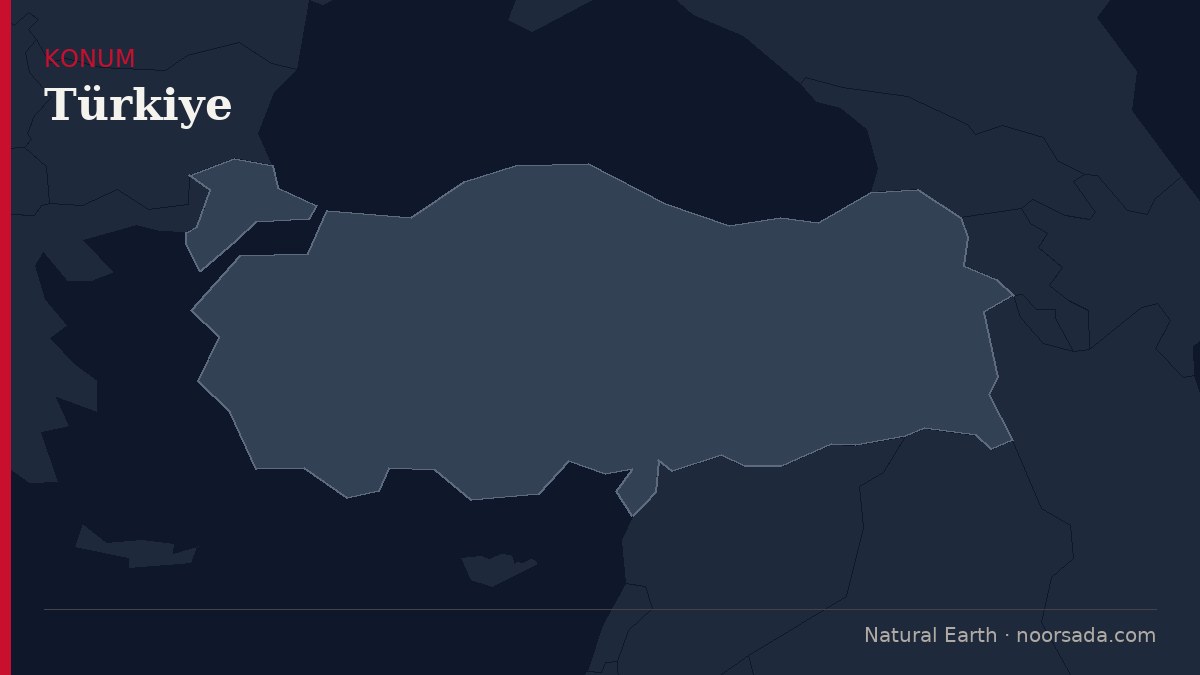
In his assessment regarding Turkey, Tolunay said that about 30 percent of the country's 78 million hectares is forest, that the forest area is 23.4 million hectares, and that this could be increased to 24 million hectares at most. Noting that arable lands are around 25 million hectares and that steppe, pasture and meadow areas are around 15-20 percent, Tolunay stated that when it comes to "expanding the forest," agricultural lands cannot be encroached upon and that afforesting pasture areas is not the right approach.
According to Tolunay, if no trees were cut at all in Turkey, forests could sequester at most 100 million tons of carbon dioxide equivalent from the atmosphere in a year. In 2021, when wood production increased, the amount of carbon sequestered by forests fell to around 45 million tons, and after production decreased it rose to around 68 million tons. Tolunay said there is no chance of raising this figure to 150-200 million tons, and that for the net zero emissions target, priority must be given to reducing emissions of around 580 million tons. He also added that about 40 percent of forests consist of degraded and damaged forests.
Sources — how we know this
- PrimaryBianet