AgendaVerified
This story is currently available in Englisch only — a translation isn't ready yet.
Trump Tells Kyiv to Stop Hitting Russian Diesel — and the Distillate Curve Listens
A political ask lands on a market already short middle distillates. The Gulf sells the barrel, the Gulf refines the barrel, the Gulf gets paid twice.
Tempo:
KA
Karim Al-Rashidi
· 2 min read
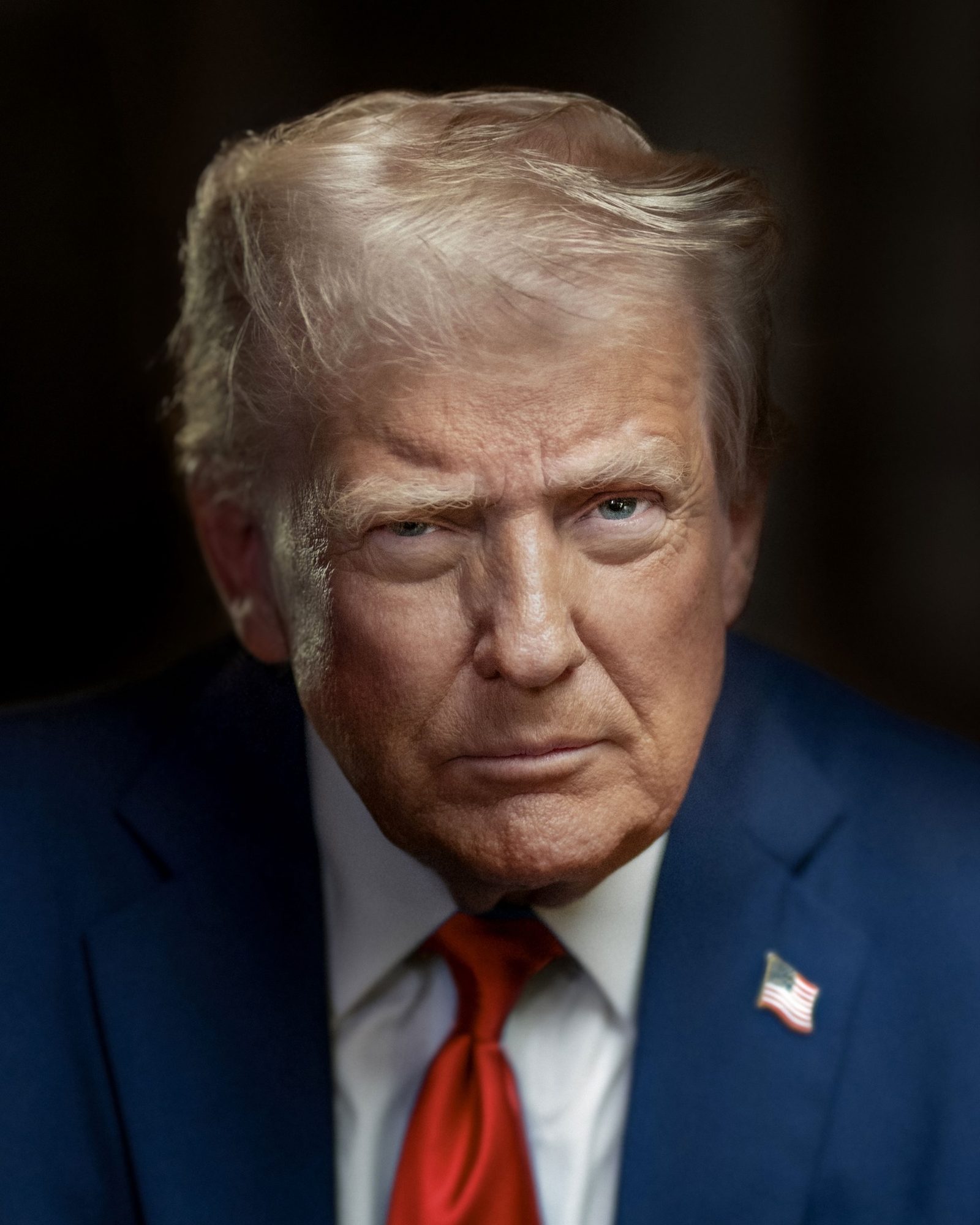
The overnight tape gave us a rare thing: a political sentence with a direct hedge. Speaking to reporters, the US president said of the Ukrainian leader, "He has to stop knocking out diesel fuel in Russia." That is not a sanctions communiqué, but it is a signal — and the diesel crack has spent six weeks pricing exactly that fear.
Start with what we can pin down. US weekly crude output printed at 13.947 million barrels a day for the week to 4 September, essentially at the ceiling that has held since the spring. The riyal sits at 3.7500 and the dirham at 3.6725, both parked where the central banks want them. Nothing in overnight FX warrants a second glance; the interesting move is in refined products, not crude.
The mechanism worth explaining. Ukrainian strikes on Russian refining capacity through August and early September pulled an outsized share of diesel out of the seaborne pool. Russia exports crude freely under the price-cap workaround but ships refined diesel through a narrower funnel of Baltic and Black Sea terminals — knock out the units upstream and the barrel that leaves Primorsk is a barrel that never existed. European gasoil, Singapore gasoil, and US ULSD futures have all been telling the same story: crude is comfortable, distillate is not.
If Kyiv now takes the hint — and there is no guarantee it will — the immediate response should be a compression of the diesel crack against Brent. Watch the front-month gasoil spread first; that is where the fear premium lives. A softer distillate curve is unambiguously good for margins at the big Gulf export refineries feeding Europe and East Africa, and unambiguously less good for the trading desks that spent August accumulating length.
The Gulf angle is not one channel but two. Aramco and ADNOC sell the crude; SATORP, Ruwais, and the Duqm complex sell the diesel. When the crack is wide, downstream earns; when crude firms without the crack collapsing, upstream earns. Right now both sides of the barrel are being paid, which is the configuration Riyadh and Abu Dhabi budget planners quietly prefer. A ceasefire on Russian refinery strikes would narrow one leg of that trade without threatening the other.
Elsewhere on the board. The BRICS sideline meetings in Delhi produced the usual choreography of bilaterals — the Saudi foreign minister with his Indian, Vietnamese, Emirati and Bahraini counterparts — none of which move a price today, all of which matter for the flow tables in eighteen months. Syria's fuel-price protests are a reminder that subsidy withdrawal, whoever attempts it, remains the region's most reliable generator of street anger. And Niger's mutiny leans harder on Moscow, which changes nothing about uranium contracts already signed but adds another line to the map of dependencies.
For today: watch the ULSD-Brent spread on the European open, watch whether Kyiv answers with drones or with silence, and remember that the dollar-linked half of the region imports its monetary policy from Washington whether the diesel curve cooperates or not. The barrel is complicated. The currency, for once, is not.