This story is currently available in Englisch only — a translation isn't ready yet.
In Türkiye, 4.37 million people with diabetes are unaware of their disease
Assoc. Prof. Dr. Akarsu, speaking to Anadolu Agency, said that according to IDF 2025 data, 45.5 percent of adults with diabetes do not know they have the disease.
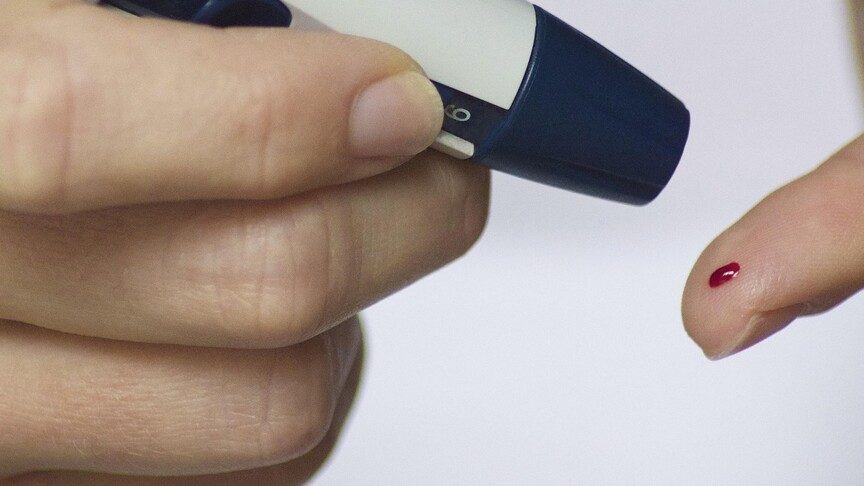
Of the roughly 10 million people living with diabetes, 4.37 million are unaware of their disease. In a statement to Anadolu Agency (AA) on the occasion of World Diabetes Day, Assoc. Prof. Dr. Akarsu said that according to 2025 data from the International Diabetes Federation (IDF), approximately 10 million people aged 20-79 are living with diabetes, and that this figure corresponds to 16-17 percent of the adult population.
In the TURDEP-II study conducted in Türkiye in 2010, the frequency of diabetes among adults was determined to be 13.7 percent. Noting that the frequency of diabetes in European Union countries averages 9.8 percent, Akarsu recorded that Türkiye is among the countries with a high diabetes burden on an international scale.
Attributing the spread of diabetes to the change in society's way of life, Akarsu said that a traditionally more active life has been replaced by desk work, motorized transport, consumption of ready-made food and a decline in physical activity. Stating that Türkiye's traditional cuisine has advantages in terms of healthy foods such as vegetables, legumes, yogurt, whole grains and olive oil, Akarsu stressed that the increased consumption in recent years of white bread and refined flour products, rice pilaf, pastries, sugary drinks and packaged snacks has raised metabolic risks.
Noting that long commute times in major cities, desk work, irregular working hours and the inadequacy of safe walking areas also make physical activity difficult, Akarsu said that diabetes cannot be explained solely by what an individual eats or how much exercise they do, and that economic conditions, education level, the environment in which one lives and working conditions are also effective on the disease. Recording that Type 2 diabetes has begun to be seen more frequently during adolescence and young adulthood, Akarsu drew attention to the increase in childhood obesity, time spent in front of screens, the decline in physical play areas and the consumption of ready-made food.
Stating that in Type 2 diabetes beginning at a young age, the total time a person is exposed to hyperglycemia is prolonged, Akarsu said, "We should no longer see diabetes as a disease we will only encounter after the age of 50-60," adding that the risk of developing kidney, eye, nerve and cardiovascular complications increases, that habits of healthy eating, an active life and weight control must be instilled starting from childhood, and that the fight against diabetes must begin in childhood.
Explaining that Type 2 diabetes can progress for many years without giving symptoms, and that in some patients the disease is first detected during an eye examination, kidney function tests or blood tests carried out for another reason, Akarsu said, "In Türkiye, approximately 45.5 percent of adults with diabetes are not fully aware of their disease," and noted that this rate corresponds to approximately 4.37 million people. Drinking a lot of water, frequent urination, dry mouth, unexplained weight loss, weakness, fatigue, blurred vision and slow healing of wounds are among the symptoms of diabetes. Akarsu stated that individuals aged 40 and over, people who are overweight or obese, those with a first-degree relative who has diabetes, and those with hypertension and high blood lipids should be evaluated for diabetes.
Stating that in uncontrolled diabetes, complications affecting the small and large vessels develop, Akarsu noted that the disease can cause vision loss in the eye, chronic kidney disease and kidney failure in the kidneys, and numbness, burning and loss of sensation in the nervous system, and said that "heart attack, stroke, foot wounds, infection and in some cases limb loss" are among the serious consequences of diabetes.
Reporting that in high-risk individuals the risk of developing the disease can be reduced by approximately 58 percent through lifestyle changes, Akarsu said that the targets are to lose 7 percent of starting body weight and to do at least 150 minutes of moderate-intensity physical activity per week. Recommending the consumption of whole-grain products, vegetables and legumes, Akarsu noted that the consumption of sugary drinks and processed food should be reduced. Stating that new-generation drugs can contribute to protecting heart and kidney health as well as controlling blood sugar, Akarsu noted that continuous glucose monitoring systems and artificial pancreas technologies improve blood sugar control, especially in patients with Type 1 diabetes, and reduce the risk of hypoglycemia.
Sources — how we know this
2 independent sources corroborated this
- PrimaryAnadolu Ajansı (TR)
- CorroboratingTRT Haber