This story is currently available in Englisch only — a translation isn't ready yet.
When AI Can Break Your Wallet: The Crypto Bunker Debate Is Not Paranoia
Vitalik Buterin is backing calls for 'bunker mode' as AI math advances threaten wallet security. The real question is who pays to fix the foundations.
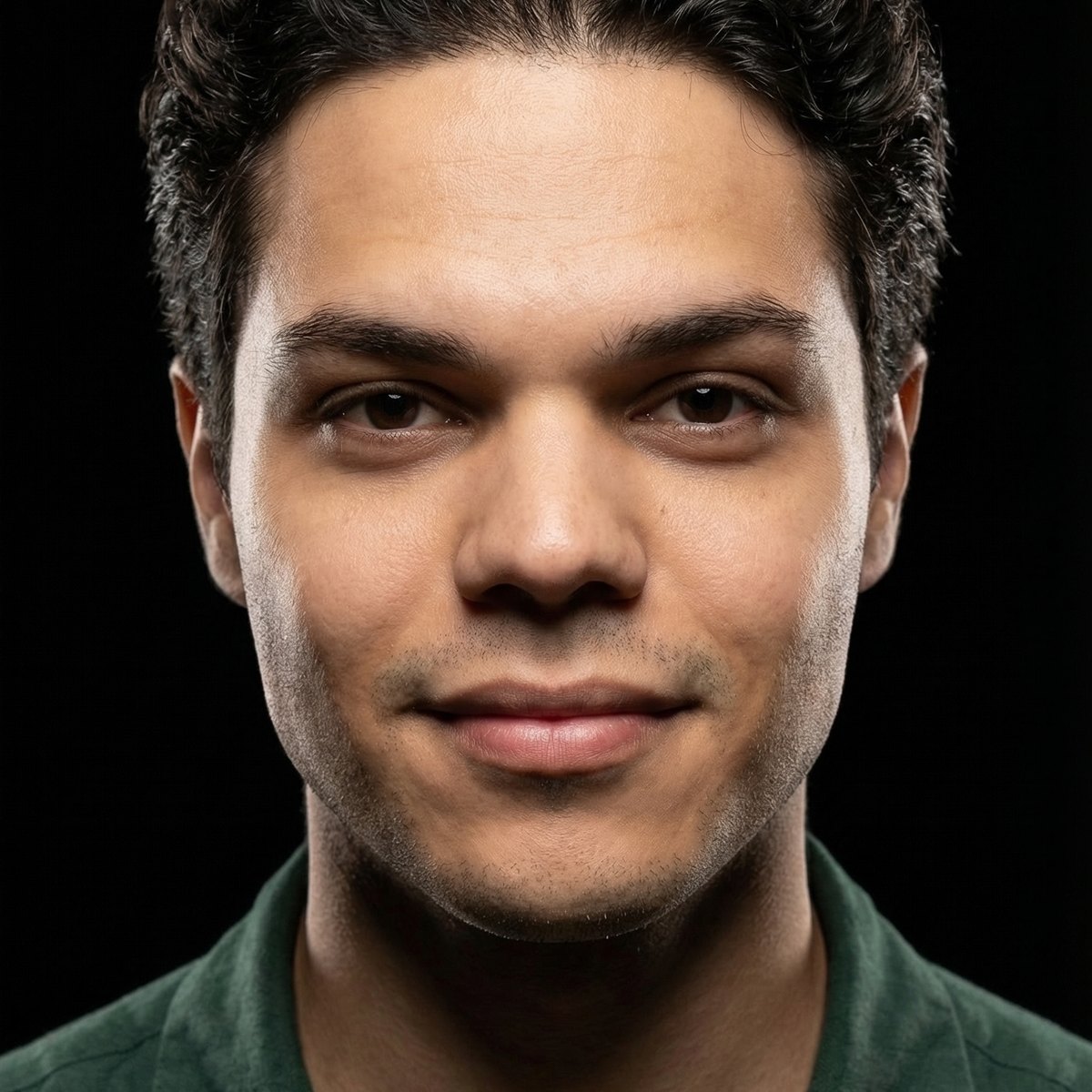
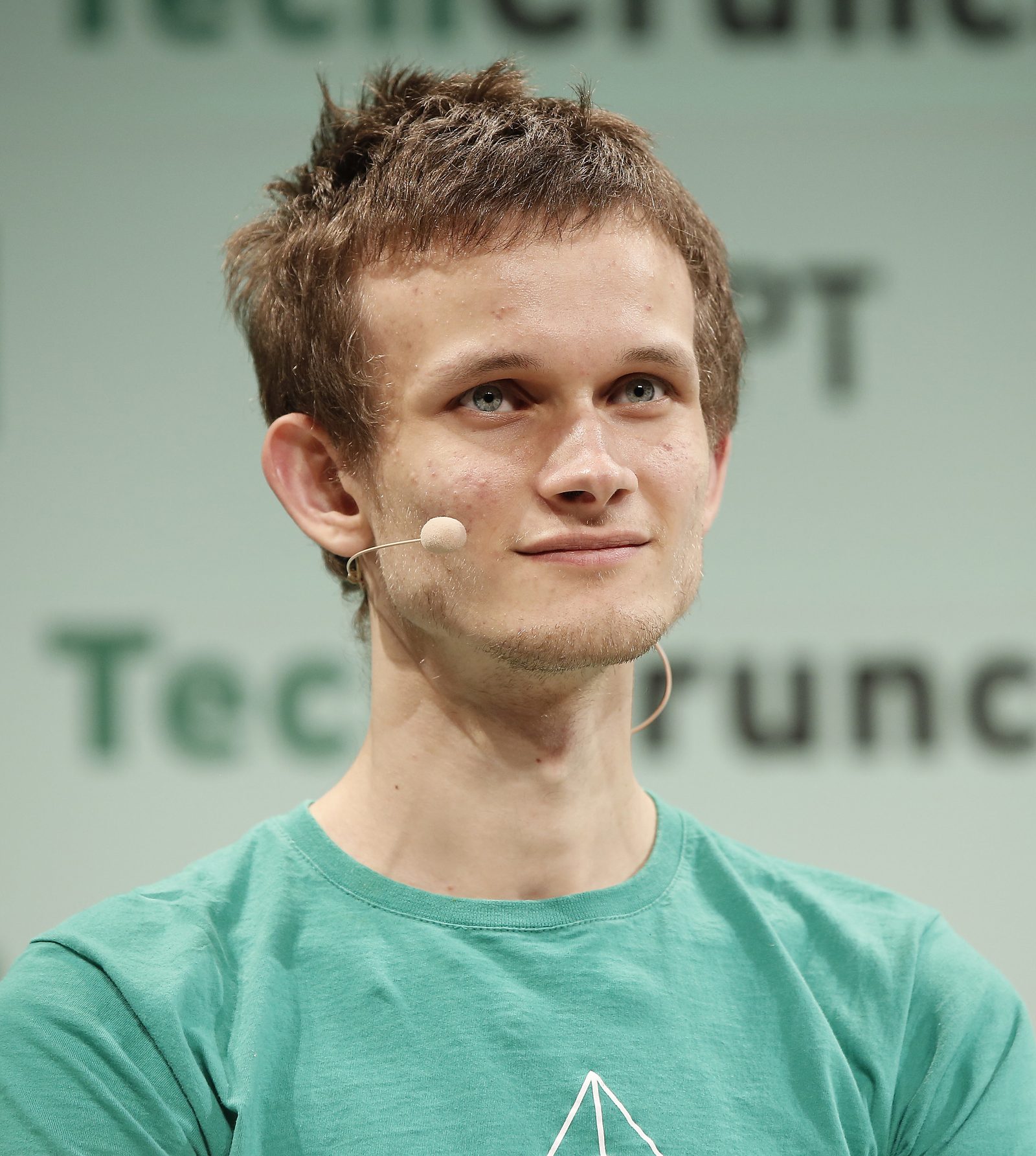
The message landed on Hacker News with the subtlety of a fire alarm: Justin Drake is urging the crypto world into what he calls 'bunker mode', because AI's accelerating mathematical capabilities could compromise wallet security within months. Vitalik Buterin, not exactly a catastrophist by reputation, is backing the concern. When the architect of Ethereum stops dismissing a threat and starts nodding at it, a columnist should probably put down the coffee and pay attention.
Let me tell you what 'bunker mode' actually means in practice, because the phrase deserves translation. Modern crypto wallets rely on elliptic curve cryptography — specifically on the hardness of certain mathematical problems that classical computers find effectively impossible to solve at scale. The fear is that AI systems, particularly those with advancing capabilities in formal mathematics and proof search, could accelerate progress toward algorithms that eat those hard problems for breakfast. Not a quantum computer in a government lab. An AI solver running on commercially available hardware, moving faster than the cryptographic community's timeline assumed.
Is this vapor? Partially. The specific claim — months, not years — is aggressive. Cryptographers I have read argue that the timelines are longer, that the threat model is real but not imminent. But here is what separates this from ordinary crypto-winter doom-posting: the underlying mathematics is not in dispute. The question is speed of arrival, not existence of destination. That is a meaningfully different category of risk than 'blockchain will change everything, trust us.'
Now, the thing that actually matters — who pays for the fix?
If post-quantum or AI-resistant cryptographic standards need to be deployed across the Ethereum ecosystem, or Bitcoin, or the wallets of the forty-odd GCC-region exchanges that have sprung up since Dubai formalized its virtual asset framework, you are talking about a coordination problem of nightmarish proportions. The code is open source. The upgrade path requires near-universal adoption to be meaningful. Individual wallet providers could move. Individual chains could move. But the weakest link in this system is not the chains — it is the custodial services, the exchanges, the bridges, the long tail of infrastructure that has no single throat to choke and no single budget line for emergency cryptographic migration.
For the Gulf exchanges — and this is worth saying plainly rather than burying — this is not an academic concern. Abu Dhabi, Dubai, and Bahrain have spent the last three years building regulatory regimes precisely to attract institutional crypto custody and trading. The value proposition is 'safe harbor with clear rules.' If the cryptographic layer under those businesses becomes suspect, the value proposition does not wobble — it collapses. Regulators in Riyadh and Doha are watching the math advances closely because the downside of ignoring them is not a fine. It is systemic.
Back to the revenue question. Open source infrastructure has a classic funding structure: everyone benefits, nearly no one pays. The Ethereum Foundation has a treasury. The Bitcoin development ecosystem has a patchwork of corporate sponsors and grants. Post-quantum migration would require something closer to a coordinated industry levy — or a regulator with enough leverage to mandate it. Neither of those mechanisms exists yet in a form that could move fast enough if 'months, not years' turns out to be right.
Separately, and not unrelated: a French digital artist named David Revoy posted a license update this week prohibiting AI derivation of his art, lore, and comics. His reasoning is thoughtful rather than reactive. But it sits in the same week's news as the bunker mode discussion for a reason. The common thread is a creative and technical community that built systems assuming a certain pace of AI capability growth — and is now watching that assumption get stress-tested in real time. Revoy's response is to fence his inputs. Drake and Buterin's response is to harden the infrastructure. Both are rational. Neither is cheap.
The joke writes itself: the crypto community spent a decade telling regulators that centralized finance was the risk, and now it is scrambling because the math under its own floors might shift. But I will resist, because the people raising the alarm are doing so with receipts — the mathematical literature on AI-accelerated proof search is real, and the timeline uncertainty cuts both ways.
What should you actually watch? Three indicators. First, whether the Ethereum Foundation formally upgrades its cryptographic roadmap timeline. Second, whether any major GCC or EU exchange issues a custodial risk disclosure referencing post-quantum or AI-resistance concerns — because that is the moment it goes from theoretical to material. Third, whether any government with a mature crypto regulatory framework — UAE, Singapore, the EU's MiCA architecture — mandates cryptographic standards with an AI-threat clause.
Until those move, this is a serious warning sitting in a funding vacuum. Which, in infrastructure terms, is exactly how catastrophic failures begin: not with a bang, but with everyone assuming someone else is handling it.