This story is currently available in Englisch only — a translation isn't ready yet.
Women automatically pardoned for abortion offences under 2026 Act
Convictions, cautions, arrests and investigations relating to women ending their own pregnancies are being deleted from criminal records from 16 November.
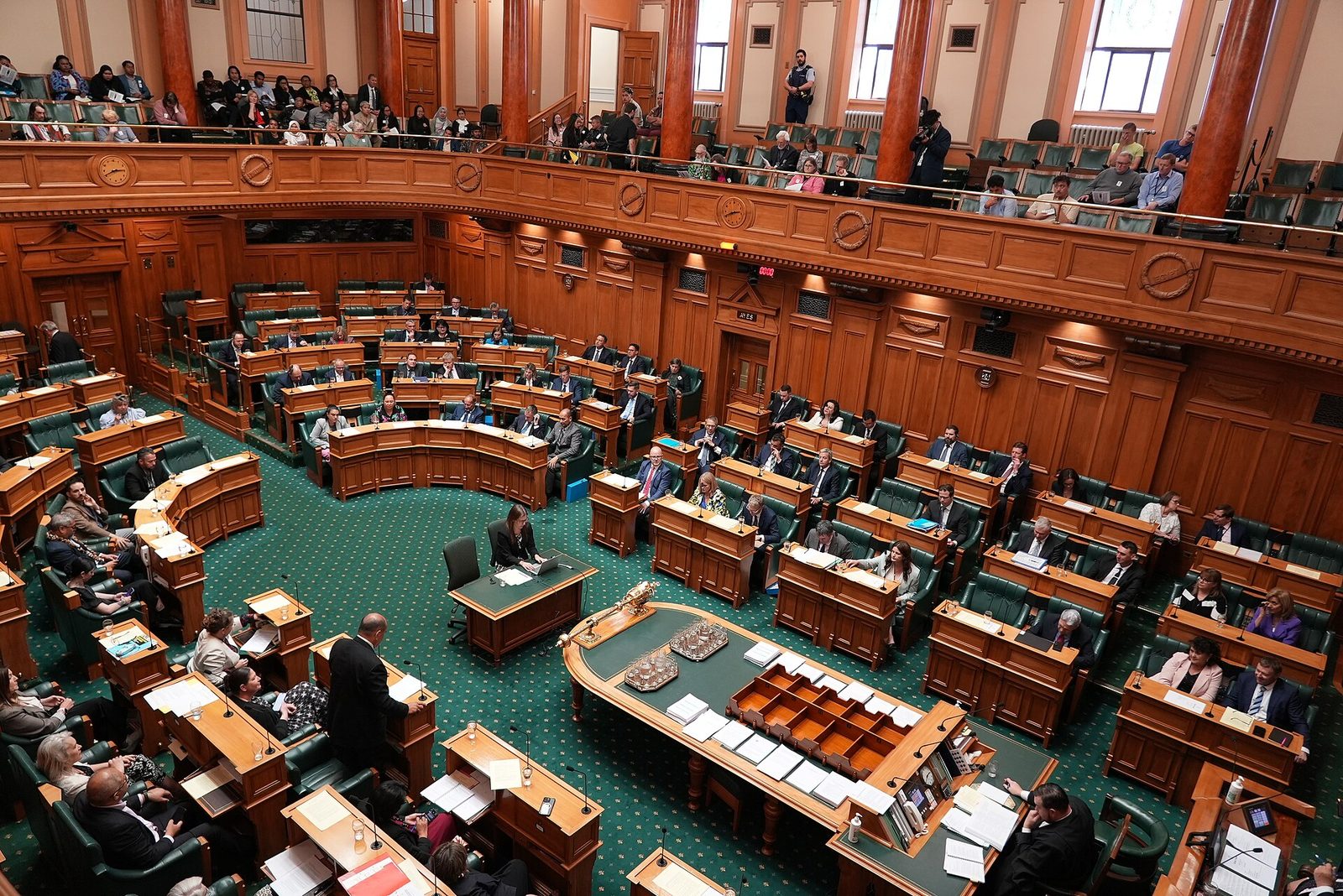
Women previously convicted of, or cautioned for, an abortion offence relating to their own pregnancy have been automatically pardoned, and details of convictions, cautions, arrests and investigations are being deleted from criminal records from today, 16 November.
The pardon covers women who, for a multitude of reasons, acted beyond the 24-week time-limit set out in the Abortion Act 1967 and were convicted, cautioned, arrested or investigated as a result. The government said a number of women ordered medication online, including during the COVID-19 pandemic, to terminate their pregnancies. Some have spoken publicly about not realising they were beyond 24 weeks at the time, or were victims of domestic abuse or coercive control.
Section 242 of the Crime and Policing Act 2026, which comes into force on 16 November 2026, provides the automatic pardon and places a duty on relevant authorities to delete details of convictions, cautions, arrests and investigations relating to those offences where they are aware of them and where it is reasonably practicable to do so. Where records cannot be fully deleted, authorities must annotate them so they are treated as if deleted.
Earlier this year the Act decriminalised women who end their own pregnancies, or try to, right up until full-term. Women do not need to apply for a pardon or for record deletion, and police forces and courts will begin updating records in line with the new requirements.
Alex Davies-Jones, Minister for Victims and Tackling Violence Against Women and Girls, said: "Pardoning women for abortion offences related to their own pregnancy has been a priority." She said she was pleased to commence the change Parliament voted for, and that clear and accessible information about what happens next is vital, with a dedicated casework team available to those affected.
Heidi Stewart, chief executive of BPAS, said: "no pardon can undo the distress and trauma these women have experienced", but that the change recognises the profound harm caused by criminalisation. She said the organisation had campaigned for abortion law reform for over a decade.
Section 242 does not affect the Abortion Act 1967, which will continue to provide the legal framework for access to abortion services. It will remain an abortion offence for medical professionals or anyone else to act outside those provisions, but women who act in relation to their own pregnancies will not face criminal charges for an abortion offence.
Sources — how we know this
3 independent sources corroborated this
- PrimaryGOV.UK News and communications
- CorroboratingBBC Health
- CorroboratingCBS News