This story is currently available in Englisch only — a translation isn't ready yet.
Two abolished villages near Astana: people still live in Aganas and Shnet
After the 2015 flood and because of discharges from Karabidayyk, residents of Aganas and Shnet were resettled to Kosshy, but some villagers stayed in their former places
ℹ️ Browser-Stimme · KI-Studiostimme bald verfügbar
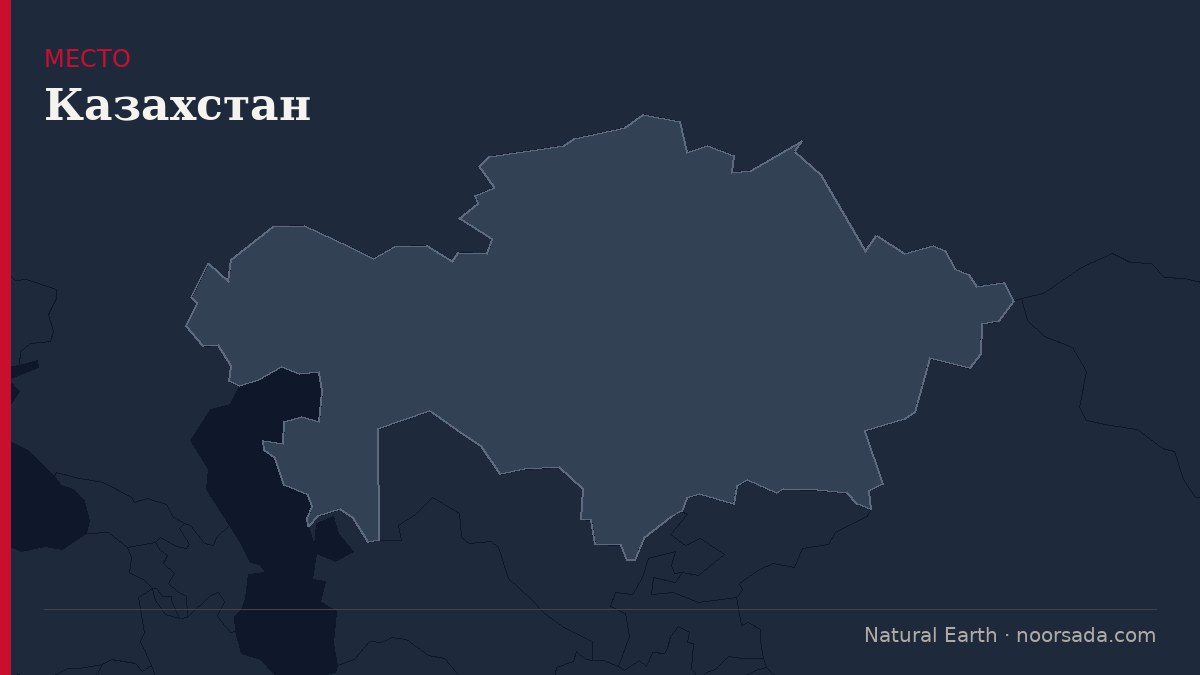
In Tselinograd district of Akmola region, two villages — Aganas and Shnet — were resettled and officially abolished several years ago, but life in them has not come to an end. Now, in 2026, two residential houses remain in Aganas, and former residents of Shnet are asking the authorities for plots for private subsidiary farming on the site of the abolished village.
Before the resettlement, Aganas had 35 houses, in which, according to the local akimat, 147 people lived. In April 2015, because of a sharp warming, the Nura river overflowed and large-scale floods began in Akmola region. According to media reports, the first houses here were flooded on April 15, and already in the night of the 16th residents had to be evacuated — by boat. The village found itself cut off from the outside world: rescuers in boats delivered drinking water and food to those who had stayed behind after all. According to archival publications, 33 houses were damaged by the flood.
In late November 2015, the affected villagers received keys to new apartments in Kosshy — a city of regional significance near the capital. In December 2018, Aganas was officially abolished and removed from the register of settlements of Kazakhstan. Now there are two residential houses in the village: the owner of one refused an interview but showed his farmstead — chickens and geese — and said he wants to try to spend the winter here. Some houses are not abandoned but have been sealed up for preservation.
Shnet also had 35 houses, in which, according to the akimat, 195 people lived. The main reason for the resettlement was not the natural disaster but the severe environmental situation: a few kilometers from the village lies Karabidayyk — a huge storage pond that receives sewage from the capital. It began to be filled in 2009, and a few years later the smell of the sewage turned into a real problem: people wrote collective appeals to state bodies for years. Almost every spring water washed away the road leading to the village.
On December 27, 2017, the resettlers were ceremonially handed keys to apartments in a new five-story building in the same Kosshy, and in October 2019 Shnet, following Aganas, officially disappeared from the list of settlements of Kazakhstan. Former villagers turned to the authorities with a request to allocate them plots for private subsidiary farming (PSF) in the abolished Shnet. According to one of the locals, they did not even demand that the road, which is regularly flooded by high water, be repaired.
Sources — how we know this
- PrimaryTengrinews