This story is currently available in Englisch only — a translation isn't ready yet.
China and Central Asia Expand Flight Quotas
At the C5+1 working group meeting in Tashkent, Uzbekistan and Kazakhstan agreed with China on new flight limits — and with each other as well
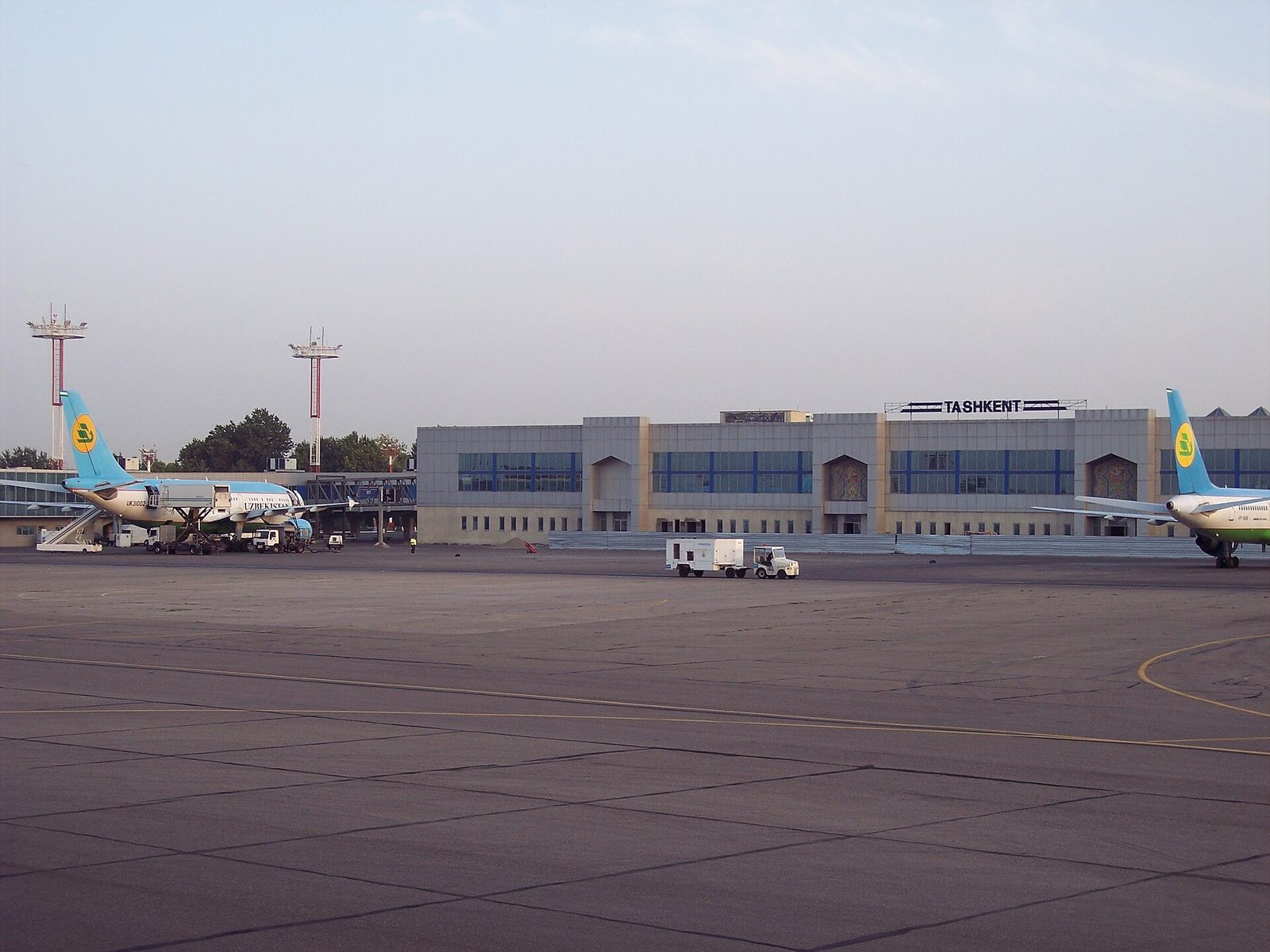
In Tashkent, at the third meeting of the working group on cooperation in the field of civil aviation Central Asia — China (C5+1), China agreed to increase weekly limits on flights with Uzbekistan and Kazakhstan. A separate agreement between the two neighboring Central Asian countries will allow more flights on regional routes.
Uzbekistan and China agreed to raise the limit of weekly flights between the two countries from 100 to 114. Kazakhstan concluded a separate agreement with China on increasing the permitted number of weekly flights from 150 to 180, adding Chengdu and Kashgar to the list of destinations that airlines are authorized to serve.
The new arrangements advance the "air Silk Road" initiative, aimed at opening new routes and simplifying airlines' access to cross-border markets. In January 2024, Uzbekistan's Ministry of Transport and China's General Administration of Civil Aviation signed an agreement on the joint development of this initiative.
Jamoliddin Nazarov, head of the air transport department at Uzbekistan's Ministry of Transport, said the country aims to ensure that passengers flying from China and neighboring Central Asian countries to Europe can transfer at its airports. Kyrgyzstan in 2024 signed its own memorandum with China under this initiative. "In 2025, working together with our Chinese colleagues, we opened a new air corridor," said Kanat Tologonov, deputy director of Kyrgyzstan's State Civil Aviation Agency.
In April this year, Chinese airline Chengdu Airlines launched a weekly direct flight between Kashgar in western China and Osh, Kyrgyzstan's second-largest city, using the Chinese-made C919 aircraft. Saltanat Tompiyeva, chair of Kazakhstan's Civil Aviation Committee, reported that airlines are seeking to serve more Chinese cities beyond major hubs such as Beijing and Shanghai.
The Tashkent meeting also produced agreements on flights between the Central Asian countries themselves. Uzbekistan and Kazakhstan agreed to increase the permitted number of weekly flights between Tashkent and Almaty, as well as between Tashkent and Astana, from 42 to 60 on each route. The limit on other routes between the two countries will rise from 14 to 20 flights per week. Kazakhstan's Civil Aviation Committee says the changes will help meet growing demand for travel between the two countries.
Vietjet Qazaqstan in November last year launched direct flights from Astana to Bishkek and Samarkand, increasing frequency on both destinations at the start of this year. Airline CEO Adilbek Umraliyev cited additional opportunities on smaller regional destinations, highlighting Bukhara and Samarkand with their "fairly significant tourism potential." He noted that rising fuel and airport fee prices make operating regional flights more costly, and called for closer cooperation between aviation authorities and airlines to reduce these costs and make cross-border travel more affordable.