This story is currently available in Englisch only — a translation isn't ready yet.
Russian Interior Ministry: Residence permit refusals up 13-fold, citizenship admissions down by a third
Kolokoltsev proposed extending app-based tracking of migrants to all regions; in Moscow and the Moscow region, Amina is already mandatory for Kyrgyz citizens
ℹ️ Browser-Stimme · KI-Studiostimme bald verfügbar
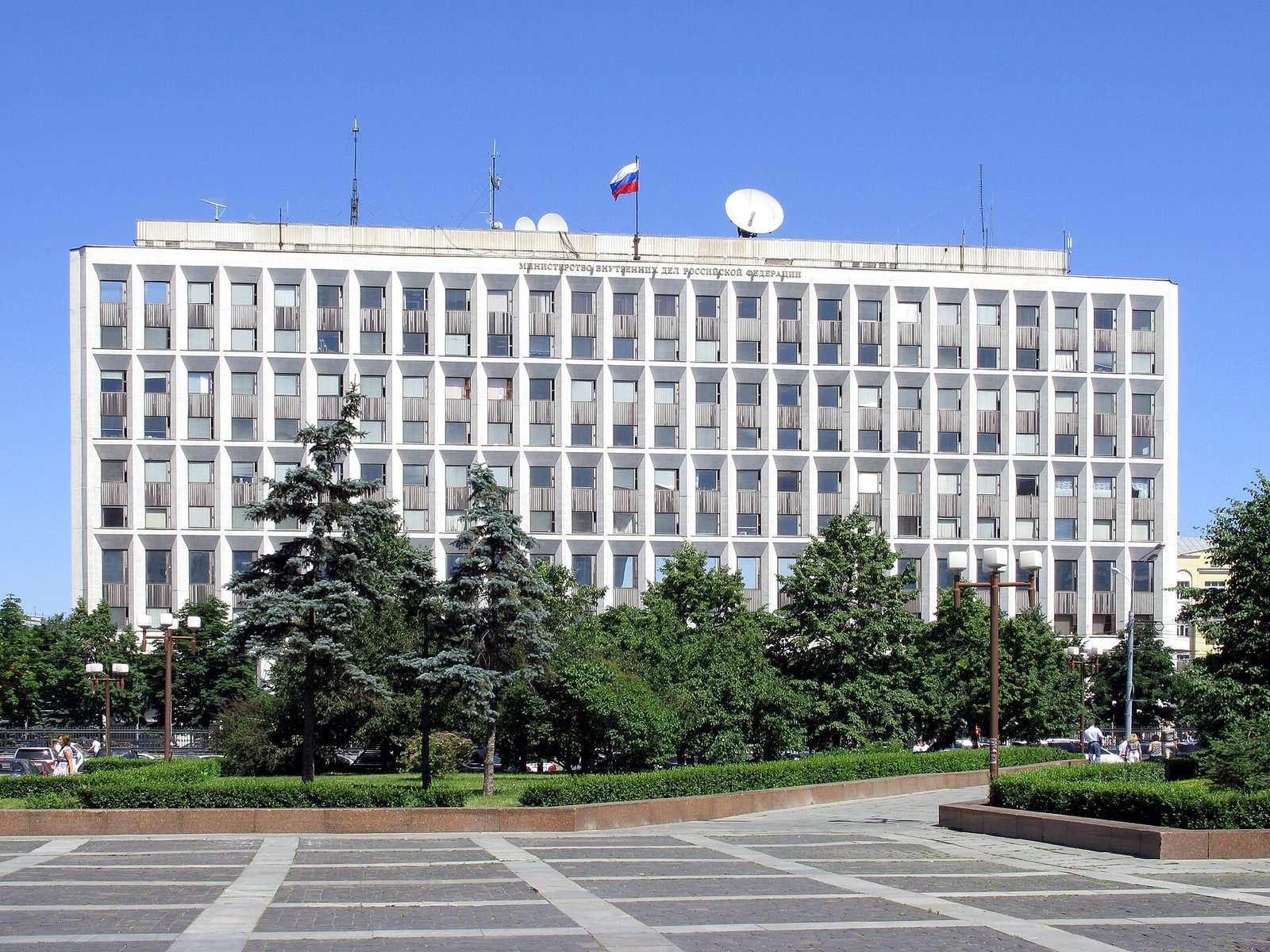
Over the past year, the number of refusals to issue residence permits to foreigners in Russia has grown 13-fold, while admissions to Russian citizenship fell by a third. Russian Interior Minister Vladimir Kolokoltsev said this on 10 November at the Federation Council.
The minister linked this trend to changes in migration legislation, including measures against obtaining the right of residence through sham marriages and established paternity.
Separately, Kolokoltsev spoke in favour of extending digital control to all regions of the country. This concerns a mobile application that transmits data on foreigners' geolocation: according to the minister, the system makes it possible to track migrants' whereabouts in real time. Kolokoltsev also described a mapping service that shows the places of stay declared by foreigners and their movement routes - down to individual streets and buildings. The app is to be rolled out in stages across all regions of Russia, but the timeline for expanding the system and the final list of participants have not yet been determined.
Kyrgyz citizens are already among the foreigners covered by the requirement to use the Amina app in Moscow and the Moscow region. From 1 September 2026, mandatory registration through the app was extended to additional categories of adult foreigners, including Kyrgyz citizens who have arrived for a period of more than 90 days, and family members of employed EAEU citizens. If the mechanism is extended to other regions, the new requirements could affect Kyrgyz nationals who work or live outside Moscow and the Moscow region.
Other rules are changing as well. For Kyrgyz citizens working in Russia without a patent on the basis of EAEU agreements, a separate mechanism for verifying income and the consequences of violating the requirements will come into force on 1 March 2027. From 1 January 2027, the fixed advance personal income tax (NDFL) payment for foreign workers employed under a patent will increase by 50% for each dependent minor child in the country; this requirement does not automatically apply to Kyrgyz citizens.
Sources — how we know this
- PrimaryEconomist.kg