This story is currently available in Englisch only — a translation isn't ready yet.
Regulators from 38 countries warn of heightened risk of nuclear accident in Ukraine this winter
HERCA, WENRA and NORA called on Russia to stop strikes on the energy infrastructure on which the cooling of nine operating reactors depends
ℹ️ Browser-Stimme · KI-Studiostimme bald verfügbar
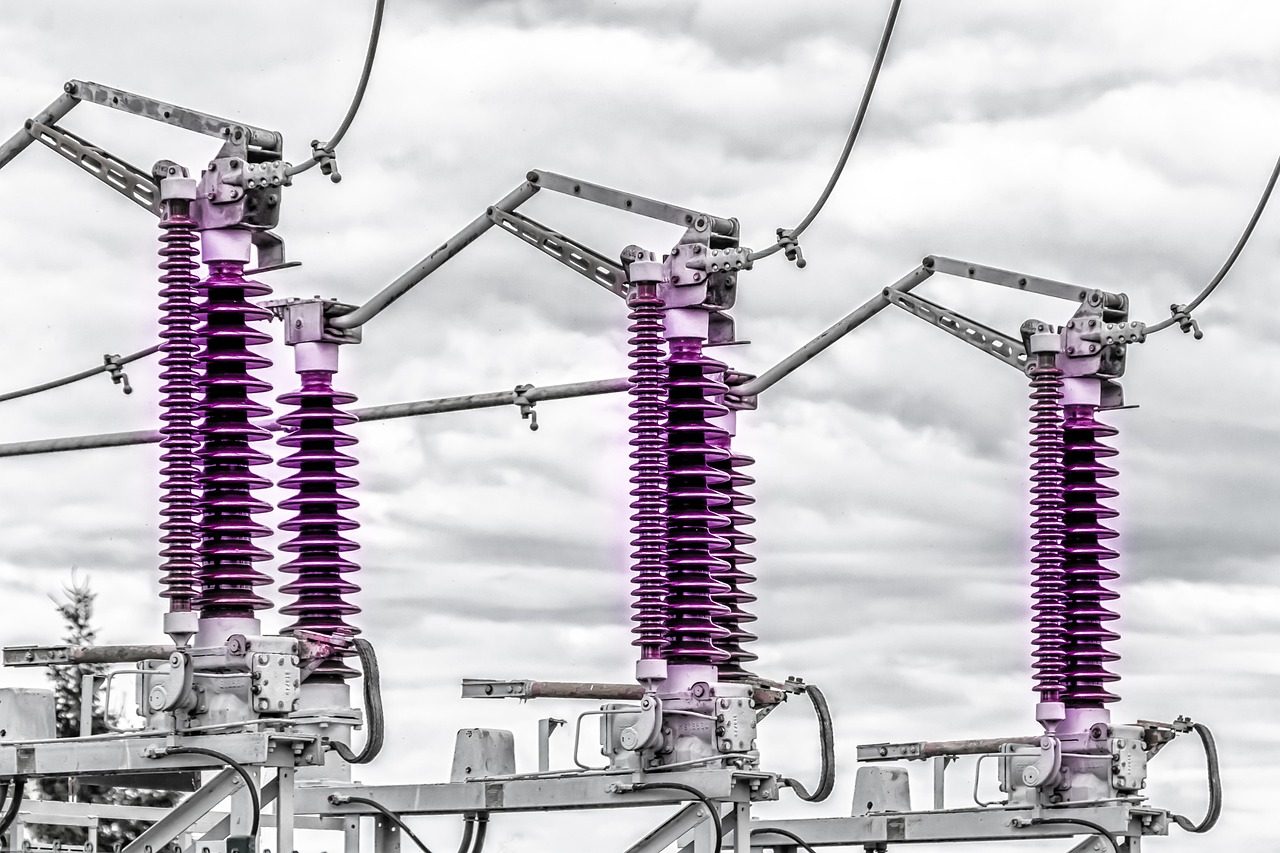
The risk of a nuclear accident in Ukraine will rise this winter, nuclear safety regulators representing 38 countries said, and called on Russia to stop strikes on the country's energy infrastructure.
The joint statement was issued by HERCA — the heads of the competent authorities of European countries for radiation protection, WENRA — the Association of Western European Nuclear Safety Regulators, and NORA — the heads of the radiation safety authorities of the Nordic countries. Together these bodies represent 38 states, including all European Union countries, the United States, the United Kingdom, Canada and Japan.
The regulators' main concern is that without a stable power supply from the grid, it is increasingly difficult for Ukrainian nuclear power plants to cool nuclear materials and avoid a meltdown. If that happens, releases of radioactivity into the air are possible, as in the 1986 accident at the Chernobyl nuclear power plant — the largest civilian nuclear accident in the world. At that time iodine-131, caesium-134 and caesium-137 spread across part of the territory of Ukraine, Belarus and Russia, as well as northern and central Europe.
Moscow has stepped up drone and missile strikes on Ukrainian energy facilities — power plants, power transmission lines and substations — and the system is already weakened by nearly five years of conflict. "It is absolutely obvious that the highest risk of a nuclear accident will fall on this winter," said the head of HERCA and NORA, Per Strand. According to him, Russian attacks in recent weeks have become more deadly: drones with a larger combat payload and more precise guidance are being used.
Strand called a nationwide blackout of the Ukrainian power system the worst-case scenario, one that would affect all nine operating reactors of the country simultaneously. "Nine reactors at once with potential releases — that would be a very serious situation," he said. The situation can be prevented if action is taken now and an end to strikes on energy infrastructure is pursued, he added; otherwise European countries will have to jointly prepare for the possible consequences of an accident.
On Saturday the IAEA reported that military activity had caused instability in Ukraine's electricity supply last week and had led to a reduction in capacity at some operating reactor units of nuclear power plants. Ukraine has four nuclear power plants, two of them operating and providing about 80% of the electricity consumed this winter. The third — Zaporizhzhia, the largest in Europe — is under Russian control near the front line. It currently produces no electricity but depends on external power to cool nuclear materials; the plant's equipment is powered by electricity from Ukraine.
Since the start of the war, the Zaporizhzhia nuclear power plant has lost external power supply 27 times, switching to emergency diesel generators, the IAEA reported on Saturday. Since the end of March the plant has relied on a single external power transmission line. Russia and Ukraine accuse each other of strikes on the plant and of damaging the lines leading to it.
Sources — how we know this
6 independent sources corroborated this
- PrimaryThe Moscow Times
- CorroboratingMeduza
- CorroboratingSözcü Gazetesi
- CorroboratingThe Kyiv Independent
- CorroboratingUkrainska Pravda (EN)
- CorroboratingBFMTV
Energy Portfolio
Check your broker for the latest on energy stocks.
View Now →