This story is currently available in Englisch only — a translation isn't ready yet.
Strawberry yields in Kyrgyzstan tripled thanks to varieties from the US
In villages across three regions where the berry was not grown three years ago, strawberry exports exceeded $1 million in each
ℹ️ Browser-Stimme · KI-Studiostimme bald verfügbar
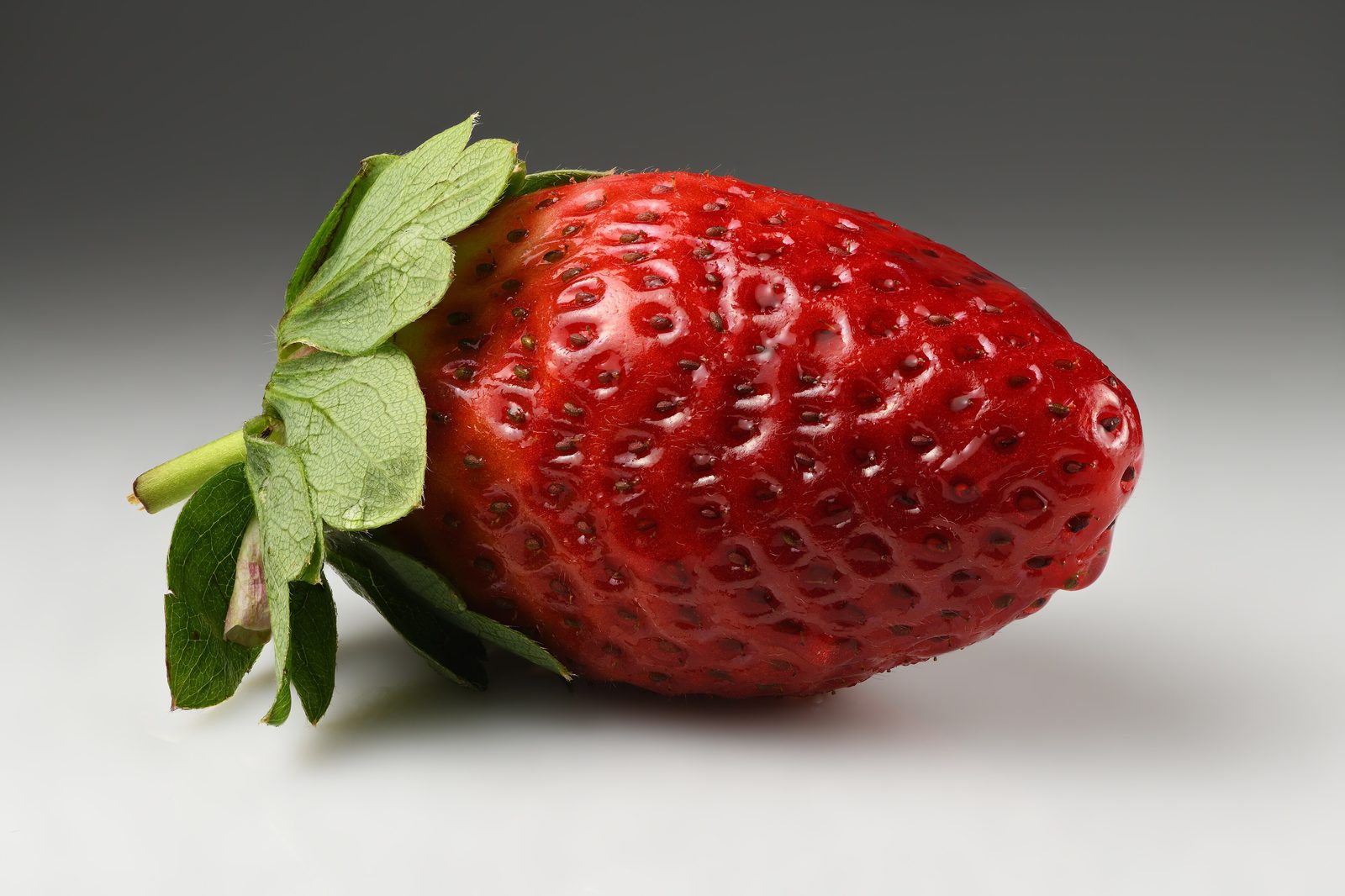
Strawberry yields in Kyrgyzstan have tripled following the introduction of new varieties of American selection and modern growing methods. This is reported by the University of California, Davis (UC Davis).
In individual villages of the Batken, Jalal-Abad and Issyk-Kul regions, which three years ago were not engaged in producing this berry, they now export strawberries worth more than 1 million dollars each.
Cooperation with Kyrgyzstan began in 2024. At that time, the Berry Growers Association of the Kyrgyz Republic, headed by Tilek Toktogaziev, visited California, where it familiarized itself with the UC Davis strawberry breeding program and the local berry business. Following the visit, the parties signed an agreement that allowed the association to begin working with varieties of American selection in Kyrgyzstan.
The cooperation was not limited to the supply of new varieties: specialists from California traveled to Kyrgyzstan and trained local farmers in modern growing methods, including irrigation, plant nutrition and care of the plantings.
The Berry Growers Association also organized a free school for agronomists. Out of more than 300 applicants from 40 districts of the country, 50 farmers were selected. Participants in the school committed to passing on the knowledge they received to other farmers in their regions.
The university cites Kadamjay, Shamaldy-Sai and Oruktu as examples of the successful development of the berry business. According to UC Davis, thanks to strawberry cultivation, hundreds of families in these settlements have gained new sources of income; some of them, as the authors of the material assert, earn more than residents of the capital. The university also notes cases of labor migrants returning from abroad to their native villages, where they began growing strawberries.
Sources — how we know this
- Primary24.kg