This story is currently available in Englisch only — a translation isn't ready yet.
Erdogan and Aliyev Reaffirm Unity in Baku After Weeks of Diplomatic Tension
Turkish president visits Azerbaijan for first time since the headscarf incident; Aliyev avoids any public reference to the crisis
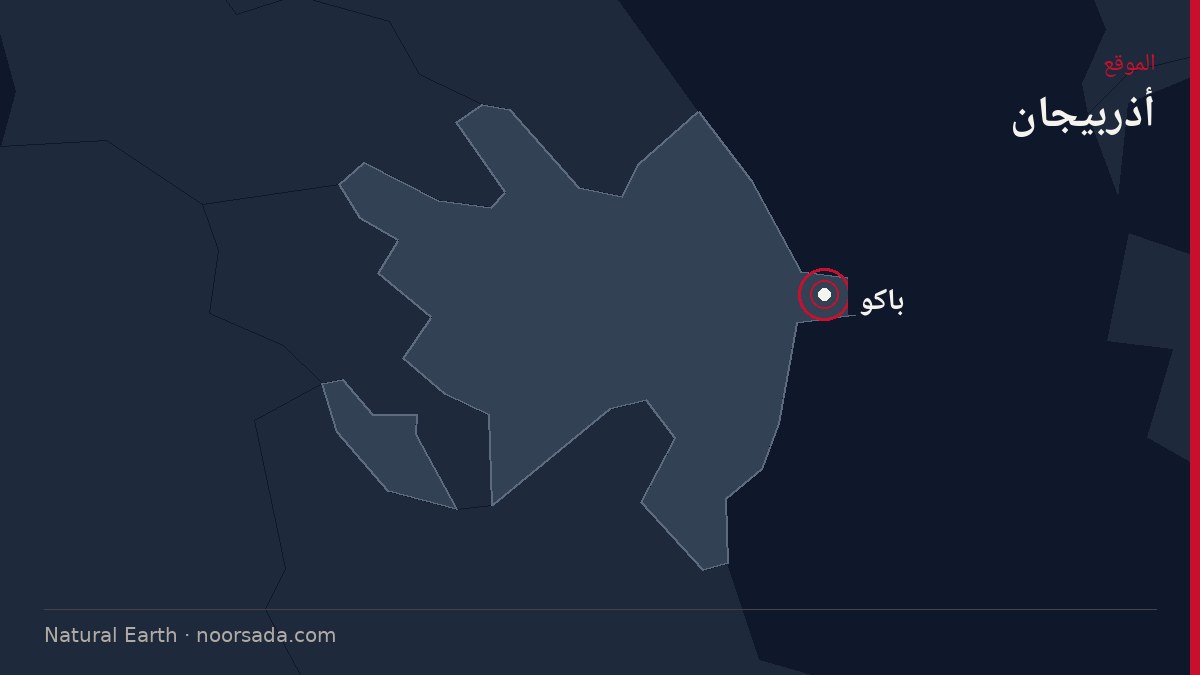
Turkish President Recep Tayyip Erdogan visited Azerbaijan on November 8th, marking the first direct meeting with Azerbaijani President Ilham Aliyev following weeks of diplomatic tension between the two countries.
Aliyev announced at the joint press conference that "the unity of Azerbaijan and Turkey is eternal and will not be shaken," adding that President Erdogan and the Turkish people stood by Azerbaijan throughout the 44 days of the Second Karabakh War, stressing that "this will never be forgotten." He noted that Turkish statements demonstrated to the entire world Turkey's position alongside brother Azerbaijan, and that "Azerbaijan will never forget that, and is grateful to the Turkish people." Aliyev also pointed out that "the city of Shusha was held captive for 28 years but did not lose its original national spirit," and that "the Turkish and Azerbaijani peoples are brother peoples, and there are no two peoples and nations closer to each other than they are." He further affirmed that anyone seeking to weaken the brotherhood between the two countries through the alliance signed in the Shusha Declaration on June 15, 2021, has "not achieved his aims yesterday and will not achieve them today or tomorrow."
The press conference contained no explicit reference to the substance of the recent crisis. On September 21st, the Azerbaijani government issued a regulation banning clothing that regularly violated the school dress code in state secondary schools and contradicted the principle of secularism, without the regulation explicitly mentioning the word "headscarf" or directly referring to any religious clothing. However, several media outlets and religious figures interpreted this change as a ban on headscarves in schools, prompting the dispute to extend to Turkey and Iran and escalating criticism directed at the Azerbaijani government.
Following this, the Azerbaijan's New Party (YAP) led by Aliyev issued an official statement on October 13th in response to comments by Turkish presidential adviser Oktay Saral and several deputies from the Justice and Development Party, noting that the escalation of a disinformation campaign against Azerbaijan and its transformation into "systematic and explicit hostile defamation," particularly the involvement of a person holding the title of senior adviser to the Turkish Republic's president, necessitated taking a clear position. On October 20th, Azerbaijan announced the issuance of arrest warrants for seven Turkish nationals on charges of "inciting forcible change to the constitutional order" and "inciting religious hatred and enmity," as well as declaring 31 Turkish citizens "undesirable persons." Saral resigned on October 26th and posted his resignation on his X account. Aliyev also declined to attend the 13th summit of the Organization of Turkic States held in Turkey on October 30th, citing "scheduling constraints," with Azerbaijani Foreign Minister Jeyhun Bayramov representing Baku at the summit.
What went unsaid on November 8th is equal to what was said: neither side condemned the other, no concessions were announced, and the headscarf issue was not mentioned by name.
Sources — how we know this
- PrimaryDiken